
Introduction
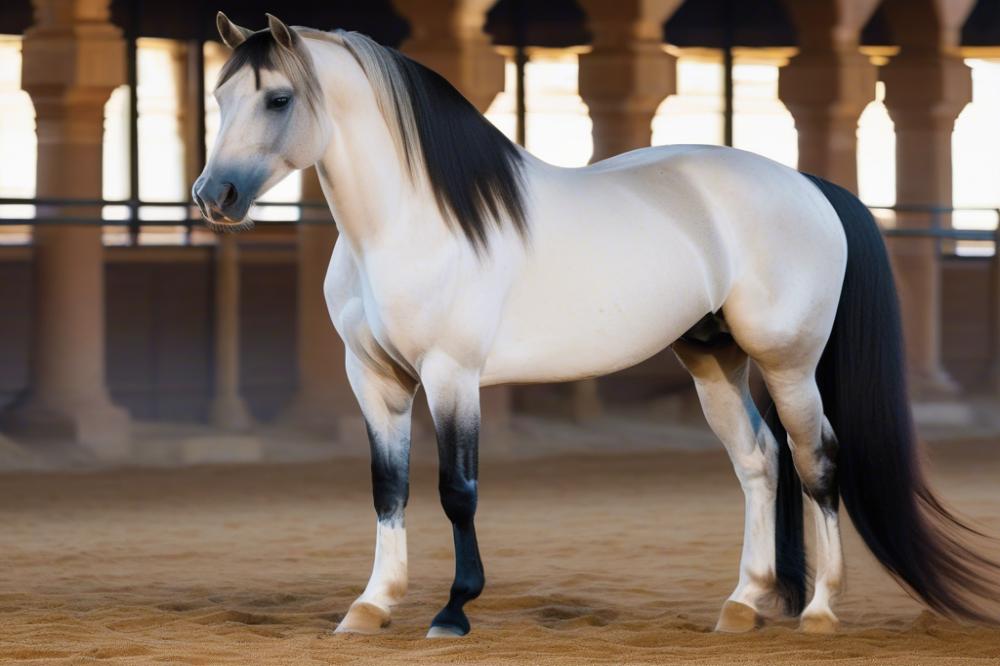
Horses have been significant companions to humans across various cultures throughout history. They symbolize power, beauty, and grace. In many societies, these majestic creatures have shaped economies, inspired art, and even influenced war strategies.
Among these, the Arabian horse stands out as a profound symbol of heritage. Renowned for its endurance and spirit, it has become a revered breed cherished for centuries. Breeding practices highlight not just the physical attributes but also the deep cultural connections associated with this animal.
In Arabian culture, the practice of honoring horses is deeply rooted. Celebrations showcase their beauty, skills, and importance to society. Families often pass down traditions that emphasize respect for these animals, making them more than just livestock. Evaluating their role provides insight into the values of loyalty and nobility that define this rich cultural landscape.
The Role of Arabian horses in Culture
Arabian horses hold a cherished place in Arabian culture. These animals symbolize strength, beauty, and nobility. For centuries, they have played an essential role in the lives of people living in deserts.
Historical significance arises from their importance to nomadic tribes. Tribes relied on these animals for transportation, trade, and companionship. Horses were not just possessions; they were part of family life. In many ways, they shaped the culture of these groups.
Lifestyles often revolved around the care and breeding of these animals. A well-bred horse could elevate a family’s status within the community. Wealthy families would showcase their Arabian horses at gatherings and events. This created a strong connection between horses and social hierarchy.
Trade networks flourished due to the value placed on horses. They became a currency of their own, traded for goods, services, and alliances. Furthermore, their influence extended beyond mere economic exchanges. Horses represented loyalty and strength, traits admired in leaders and tribes.
In various traditions, these animals are celebrated for their grace and endurance. Poems, stories, and songs often feature them. This creative expression highlights the emotional bond between horses and humans.
Communities have developed unique rituals in honor of these animals. Festivals and gatherings showcase the heritage of Arabian horses. People dress in traditional attire and display their prized horses proudly. Such events serve to reinforce cultural ties and passed-down traditions.
Horse Lineage and Bloodlines
Lineage plays a crucial role in breeding practices for horses. Breeders pay attention to ancestry to maintain high standards. Each generation contributes to the horse’s traits, making some bloodlines more desirable than others. When selecting a stallion or mare, their lineage is examined closely. This practice is essential for creating horses that meet specific needs.
Arabian bloodlines have a rich history that emphasizes purity. Breeders strive to retain this purity to uphold quality. Many horse enthusiasts believe that a horse’s value often comes down to its pedigree. They recognize that pure bloodlines can enhance performance and temperament. Consequently, breeders often keep detailed records of lineage. This documentation preserves the horse’s history and ensures future generations are bred wisely.
Honoring these majestic animals is a key element in preserving their heritage. Respect for the breed entails cherishing their history and lineage. This respect fosters a deeper connection between horses and humans. Breeders participate in various traditions that celebrate this bond. Through events and festivals, the importance of lineage is highlighted.
People involved in this world understand that maintaining bloodlines goes beyond just breeding. They advocate for responsible practices. All efforts made by breeders help to promote a respect for horses and their bloodlines. The legacy of Arabian horses thrives through dedicated caretakers who prioritize their noble heritage. Upholding these standards ensures future generations of horses inherit the best traits.
Each horse carries with it a story, a connection to its ancestors. These stories are told and retold, sometimes over generations. Breeders aim to share these narratives with others. In doing so, they create a sense of community among horse lovers. The respect shown towards their lineage becomes a shared value.
Breeding Practices and Equestrian Tradition
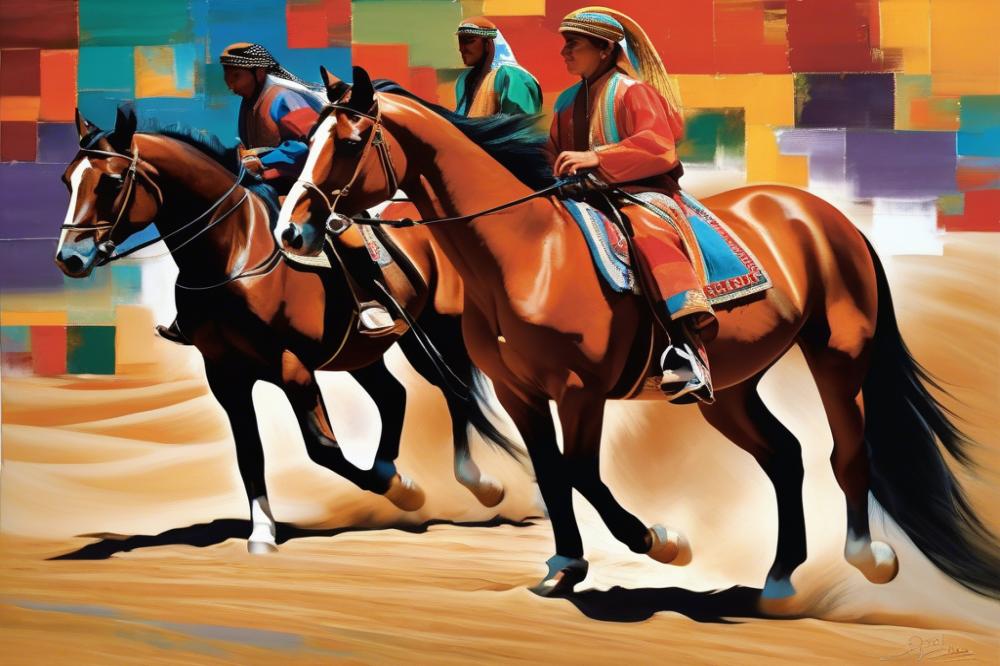
Traditional breeding practices for Arabian horses are steeped in history. These methods often focus on lineage and heritage. Selecting the right horses for mating is critical. Breeders consider traits such as temperament, speed, and endurance. A strong bloodline can pass on valuable qualities to future generations.
In this context, breeders play an essential role. They act as guardians of the breed’s honor. By carefully choosing which horses to pair, they maintain quality. Their extensive knowledge and experience contribute to enhancing these majestic animals. Passion drives breeders to uphold traditions that have persisted for centuries.
Cultural customs heavily influence breeding practices. Many families have deep-rooted traditions surrounding horse care and training. Festivals and gatherings often celebrate these bonds with animals. During these events, the importance of the horse in Arabian culture comes to light. Stories of bravery and loyalty are passed down through generations, reinforcing the significance of the breed.
These connections underscore a shared identity among breeders. Their commitment not only preserves bloodlines but also strengthens community ties. Traditions blend with modern techniques, ensuring the breed’s legacy continues. Visitors can witness this fascinating interplay at various events, highlighting the deep respect for these companions.
Celebration of Horses Through Shows and Events
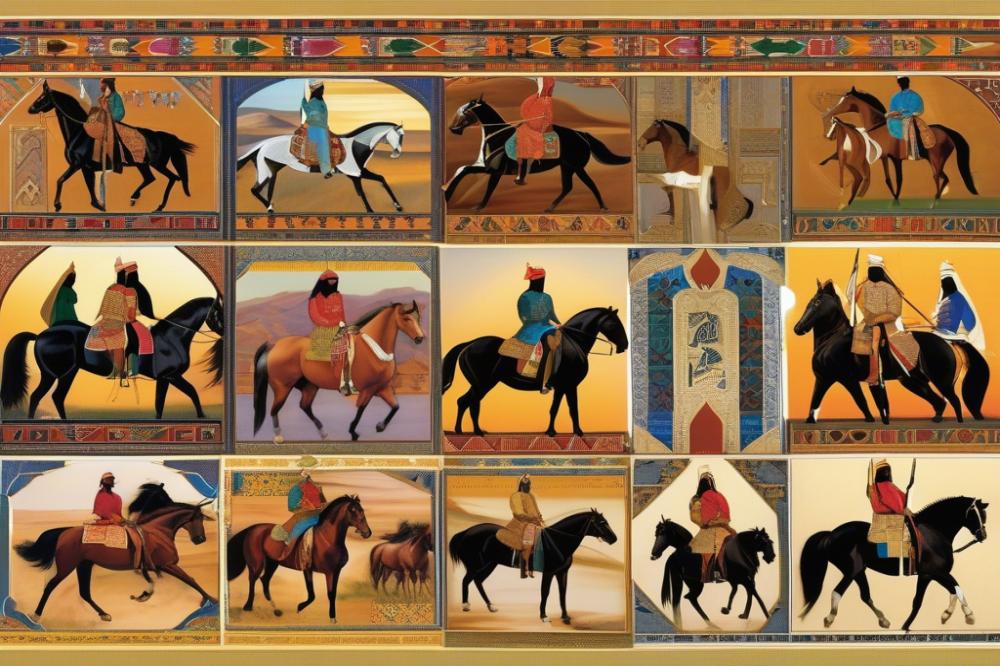
Horse shows serve as a grand celebration of these magnificent animals. Excitement fills the air as breeders, trainers, and enthusiasts gather to admire the elegance and spirit of each horse. These events showcase the beauty and strength that participants cherish. Spectators observe as horses stride confidently around the ring, their well-maintained coats glimmering under the sun.
Competition elements play a crucial role in honoring the breed. Judges meticulously assess each horse, looking for physical traits and movement. Points are awarded for conformation, which highlights the ideal structure. Presentation matters, too; handlers groom their horses to perfection. The passion and effort reflect a deep respect for the tradition that spans generations.
Community and culture thrive during these events. Local residents often come together to support one another as they celebrate their shared passion. Conversations flow about breeding techniques and training methods. This exchange fosters a sense of camaraderie. Young aspiring breeders find inspiration by watching the esteemed horses in action. Such gatherings strengthen bonds and create lasting memories. Families enjoy fun-filled days, exploring food stalls and vendors. The vibrant atmosphere envelops everyone, making each event memorable.
Efforts in Horse Preservation and Heritage
Preserving Arabian horse breeds holds great importance in the world of equestrian culture. These animals represent not just a breed, but centuries of history and tradition. People recognize them for their beauty and grace. They bring a sense of pride to many communities across the globe. Loss of these breeds would mean losing a part of our cultural heritage.
Numerous organizations dedicate their efforts to the preservation of these majestic horses. The Arabian Horse Association is one such group. They focus on increasing resources for breeders and enthusiasts. By promoting responsible breeding practices, they aim to safeguard the breed’s future. Many initiatives strive to document and celebrate the lineage of these horses. Events like horse shows and educational workshops help raise awareness about their significance.
The future of these horses looks hopeful but requires ongoing commitment. Enthusiasts and breeders are aware of the challenges faced by the breed. Modern pressures, such as habitat loss and changing interests, can impact their populations. However, the passion for preserving them continues to grow. Communities rally together to create programs that teach future generations about their value. Educating young people about heritage breeds fosters respect and admiration.
cultural significance cannot be overstated. Arabian horses symbolize strength and resilience in many societies. They often feature in stories and art that celebrate their traits. Such representations help to keep the spirit of these animals alive. By cherishing their legacy, people can inspire new love for them. This kind of dedication goes a long way toward lasting preservation efforts.
Final Thoughts on the Legacy of horse honor
Honoring horses is a fundamental practice within the Arabian tradition. This deep respect reflects a culture that values the bond between humans and equines. Throughout history, animals have not only served as companions but also as symbols of strength and resilience. Such recognition helps to preserve their significant role in society, where they have been cherished for centuries.
The enduring customs of horse honor have left a lasting mark on modern equestrian culture. Today, riders and trainers embrace these traditions even as the world changes. Many events still celebrate the beauty and spirit of these remarkable animals. Individuals engaged in equestrianism often find themselves inspired by the tales of greatness attached to Arabian horses.
Future generations will likely continue to appreciate the rich heritage connected to these noble creatures. They serve as reminders of the history and values passed down through the ages. This connection enriches our understanding of nature and companionship, encouraging a deep respect for life. As the legacy of the Arabian horse extends globally, it reinforces the idea that honoring our four-legged friends is a timeless pursuit.

