
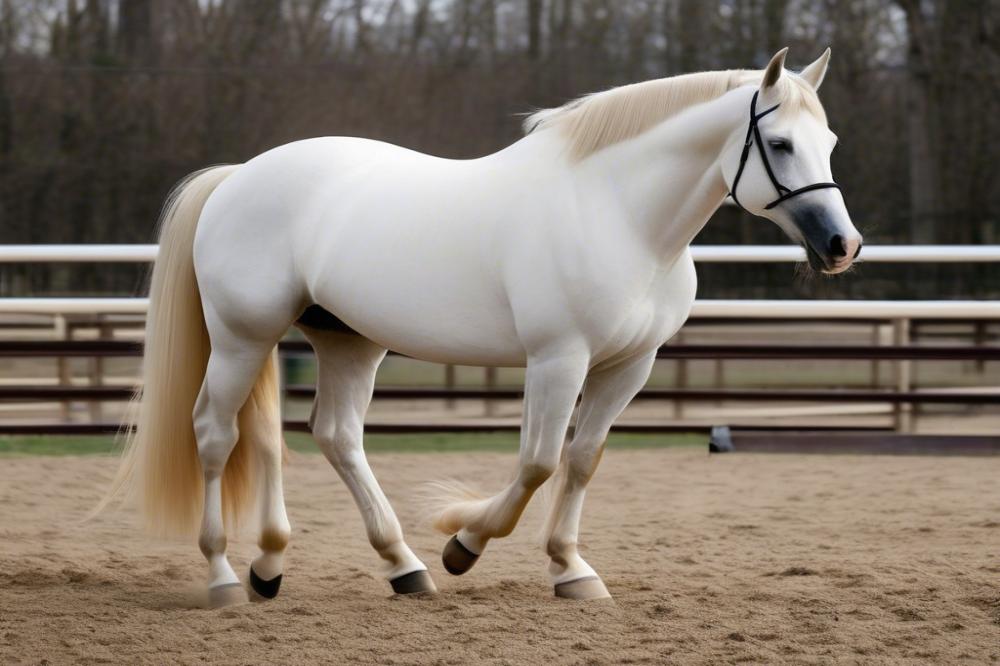
Evaluating Conformation in Breeding Stock
The concept of Conformation relates to the physical structure of a horse. It is a way to assess how well a horse’s body is put together. Proper conformation is crucial in breeding. It impacts not just the appearance, but also the overall performance of the horse.
Various factors contribute to a horse’s abilities. For instance, a well-proportioned horse tends to perform better in competitive events. Good conformation can also reduce the risk of injury, promoting longevity in a horse’s career. A horse with improper structure may face health issues down the line, making evaluation vital.
This article aims to provide insights into evaluating conformation in Breeding Stock. We will explore key characteristics that influence both athletic performance and health. Understanding this can help breeders make informed choices. By the end, readers will learn how to identify desirable traits in horses and the implications these traits carry.
Understanding Conformation
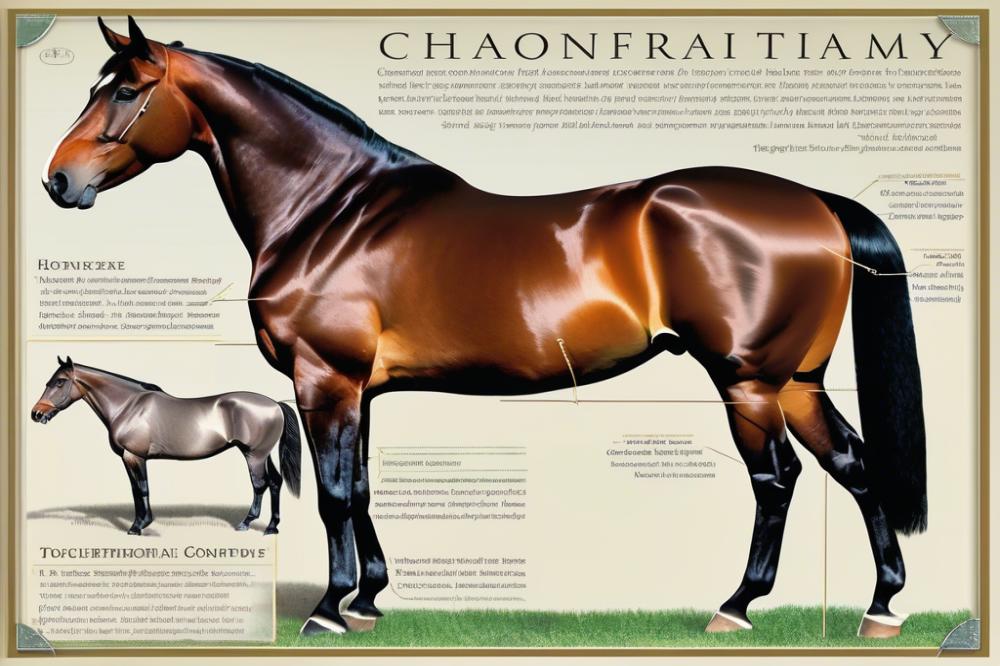
Conformation refers to the physical structure and appearance of a horse. It plays a crucial role in how well the horse performs and fits specific functions. Every breed has set standards for how its members should look. These standards help breeders determine if an animal is suitable for breeding. When assessing a horse’s physical traits, one must consider how these elements align with the expectations of the breed.
Key components of an equine’s anatomy include the head, neck, body, legs, and hooves. Each part contributes to overall balance and functionality. A well-defined head often indicates intelligence and character. It should appear proportional to the horse’s body and not be overly large or small. The neck must be strong and gracefully sloped. When a horse has a muscular neck, it supports athleticism and overall health.
Moving on, the body also plays a significant role. The ideal shape often varies with the breed, but a deep, rounded barrel is commonly seen as desirable. Such a shape allows for better lung capacity and digestion. Legs must be strong, straight, and well-aligned. Any abnormalities can lead to serious issues, especially during physical activities. Hooves are equally important; they need to be well-formed and sturdy. Poor hoof condition can lead to numerous problems that affect performance and soundness.
Evaluating these components offers insights into a horse’s potential. Each physical characteristic serves a purpose, whether for speed, strength, or endurance. Breeders must look closely at how these features complement one another. A harmonious build often suggests that the animal is both healthy and capable. Always remember that each horse has its own strengths and weaknesses, making the evaluation process an art as much as a science.
Evaluation Techniques
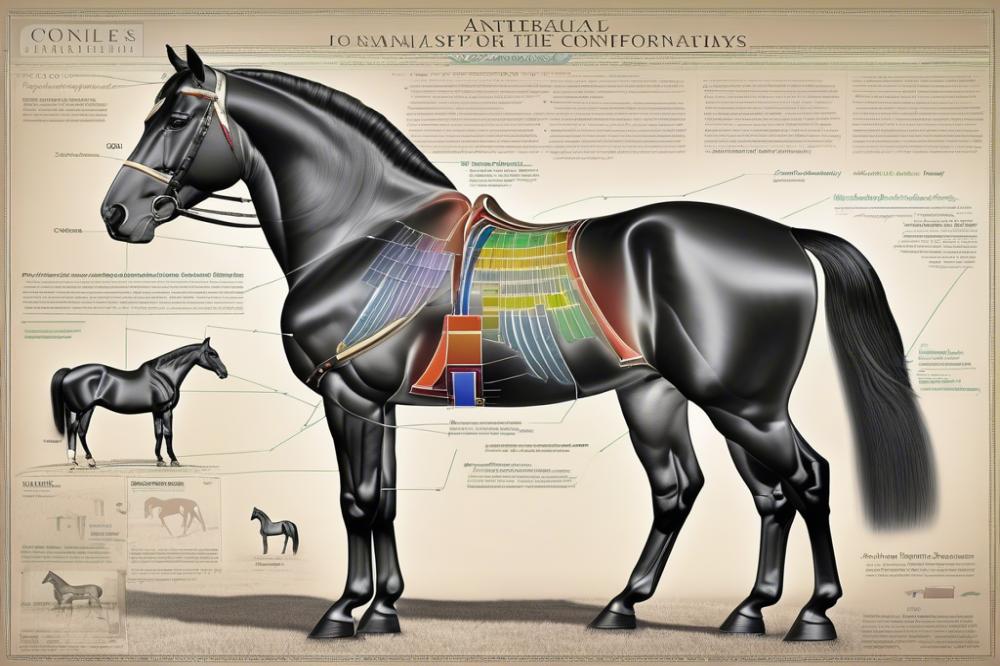
Methods for assessing conformation vary widely among breeders. Visual assessment is one of the most common techniques. By observing the animal from different angles, breeders can evaluate its overall shape and proportions. This method helps in identifying any potential issues related to soundness and functionality.
Comparative analysis is another useful strategy. It involves comparing an animal to breed standards or to other animals of the same breed. This approach allows breeders to gauge how well a particular animal meets expectations. Such analysis can help highlight strengths and weaknesses in breeding stock.
The role of structural balance is critical in these evaluations. An animal should have harmonious proportions, meaning that no single part should appear overly large or small when compared to others. Balanced structure often indicates a healthy, well-conformed animal capable of performing its intended tasks.
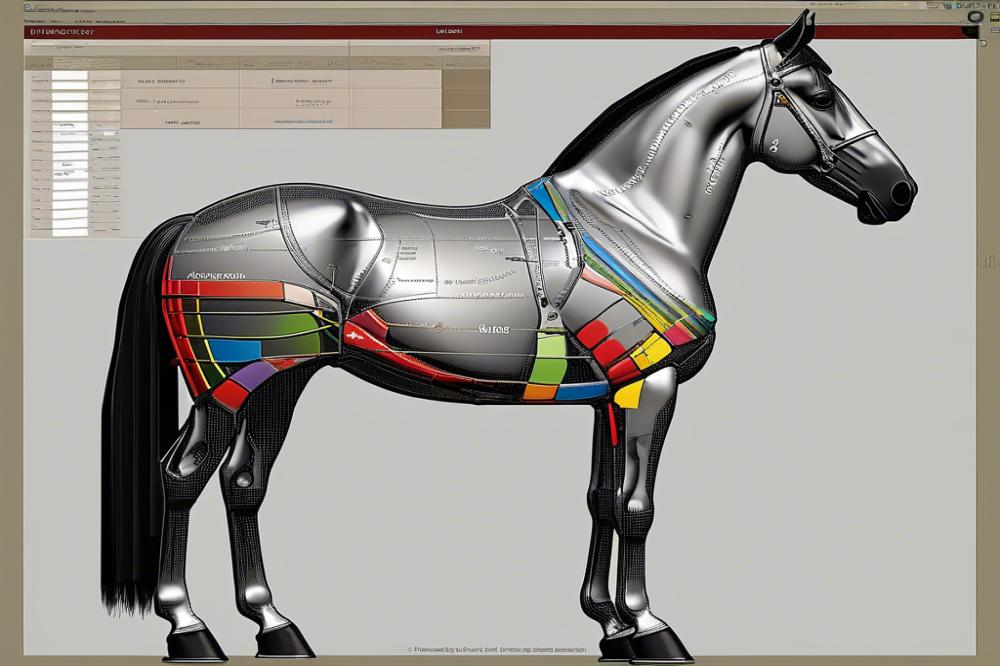
Tools and technologies have advanced significantly in recent years. Some breeders now use specialized software to document and evaluate animal conformation. These programs can provide insights into physical traits and help in making breeding decisions. Additionally, measuring devices may be used to assess dimensions accurately, allowing for a more detailed evaluation. All these tools can enhance understanding and aid breeders in selecting the best stock.
Genetic Selection and Breeding Practices
Genetic factors play a crucial role in the way animals develop their physical traits. The inherited characteristics can greatly influence the overall build and structure of the breeding stock. Understanding these genetic components is essential for anyone serious about breeding high-quality animals.
Strategies for genetic selection can vary widely among breeders. One effective approach is to focus on traits that are known to improve performance. Traits could include muscle development, bone structure, and overall balance. By choosing animals that display these desirable qualities, breeders can work towards producing offspring with enhanced abilities.
Incorporating breed standards into breeding practices is vital. Every breed has specific guidelines that define the ideal animal. These standards help maintain the integrity of the breed. Breeders must familiarize themselves with these guidelines to make informed decisions.
Ethical considerations should also be at the forefront when selecting breeding stock. Breeding should aim for health and welfare, avoiding practices that could lead to genetic defects. Ensuring the long-term vitality of the breed is important. Taking shortcuts can harm the animals and future generations.
Ultimately, the practices of genetic selection play significant roles in the outcome of breeding programs. Knowledge and responsibility go hand in hand in this process. When breeders commit to ethical and informed choices, they positively impact the lineage they are cultivating.
Health Implications of Conformation
The way a horse is built can greatly affect its health. A horse with good proportions typically has fewer problems. This connection is essential for anyone involved in breeding stock. Poorly aligned limbs can lead to a range of physical issues. Horses may experience joint pain or even lameness due to poor structure. Long-term effects often arise from these physical problems, impacting overall well-being.
Common faults like knocked knees, cow hocks, or a perpetually straight shoulder often create pressure on the body. Such conditions can lead to arthritis and other joint issues over time. Broken bones may occur more frequently in horses with poor conformation. It’s not only about looks; structural soundness is critical.
When assessing a horse for performance, conformation plays a vital role. Athletes, whether human or equine, require an efficient structure to excel. A well-formed horse is more likely to perform successfully in various disciplines. This ability promotes longevity in athletic endeavors. Proper build can support movement and help to prevent injury, extending a horse’s working life.
Case Studies and Practical Applications
Many breeders have seen how evaluating animal shape and structure can lead to better breeding decisions. In the horse world, for instance, specific traits are vital for different purposes like racing or show jumping. Thoroughbreds often exhibit a refined physique that contributes to speed. Balanced legs and a strong back are sought after. These features directly help horses perform well in competitive environments.
A different breed, the Labrador Retriever, highlights another angle. Breeders pay attention to body shape and tail length to create pups that are healthy and good-tempered. They focus on broad heads and sturdy builds. This goal produces dogs that excel in roles like service animals or hunting companions. Evaluating appearance can lead to an improvement in both the animals’ abilities and their overall health.
Success stories abound in breeding practices based on structural evaluation. Some breeders noticed a correlation between strong conformation and longevity in their animals. Animals with correct posture often have fewer health issues. This finding encourages breeders to prioritize sound structure over other traits. In some cases, awards at dog shows for structures have also increased interest in breeding practices that value looks. This trend helps the breed thrive and become more recognizable.
There are important lessons to take away from these practices. Breeding with a focus on structure improves performance and breed standards. It’s critical to consider genetic background as well. Responsible selection may lead to fewer inherited disorders in future generations. Breeders who adopt these principles often find themselves more satisfied with the results. They see the positive impact on both their stock and the community that follows the breed.
Another example comes from the cattle industry. Choice of breeding stock based on conformation led to stronger calves with better growth rates. Breeding experts noticed that well-structured animals produced offspring with fewer developmental issues. Consequently, this observation has resulted in healthier herds and improved market value.
Bringing It All Together
Importance of Evaluating Structural Traits
Evaluating the structure of breeding stock is vital. Good conformation contributes to an animal’s health, performance, and overall value. Breeders must recognize that strong physical traits often lead to improved productivity. Additionally, sound structures can influence longevity in breeding lines. This trait affects how well animals can perform tasks over their lifetime.
Integrating Evaluation into Breeding Strategies
Final thoughts remind us that incorporating evaluations of physical traits into breeding strategies can yield significant benefits. Adopting a thorough assessment approach helps in making informed choices. Breeders should look beyond just pedigree and consider how an animal’s structure aligns with their long-term goals. Each breeding decision has consequences that ripple through generations. A focus on structural integrity often leads to stronger, healthier animals.
Encouragement for Breeders
It is essential for all breeders to prioritize these evaluations in their programs. This commitment can elevate standards in animal husbandry and promote the development of reliable, resilient lines. Paving the way for a future where animals thrive is a powerful motivation. Whether you are new to breeding or a seasoned expert, remember that every choice counts. Let’s make conformation a key part of your breeding vision for future success.

