
Introduction
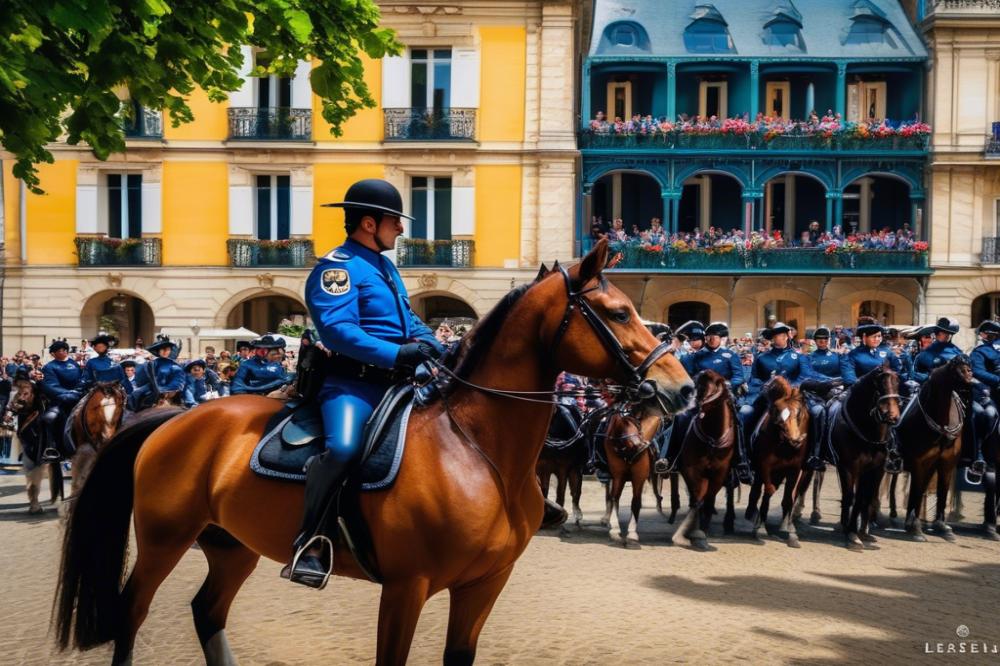
Mounted Police have played a significant role in law enforcement across the globe. Their presence often evokes a sense of tradition and authority. In many cities, officers on horseback patrol streets, bringing a unique visibility to law enforcement that cars simply cannot match. They can navigate crowded areas with ease and engage with communities in a direct way.
In France, the function of mounted units has deep historical roots. Traditionally, Percherons, a breed known for their strength and endurance, were used in rural policing duties. This breed hails from the region of Normandy, and its descendants reflect a robust connection to French heritage. Over time, as policing evolved, so did the role of horses in this field.
Today, the horses used by the police in France have shifted to the Selle Français breed. These animals are known for their agility and versatility, making them ideal partners for crime prevention and community engagement. The transition from Percherons to Selle Français showcases both the adaptability of law enforcement practices and a growing understanding of what is needed on patrol.
This evolution underscores the blend of tradition and modernity in French law enforcement. Mounted patrols not only function in urban areas but are also used for special events, demonstrations, and festivals, where their ability to maintain crowd control becomes invaluable. With the changing times, the significance of these magnificent creatures remains steadfast in the mission to serve and protect.
Historical Background of Mounted Police in France
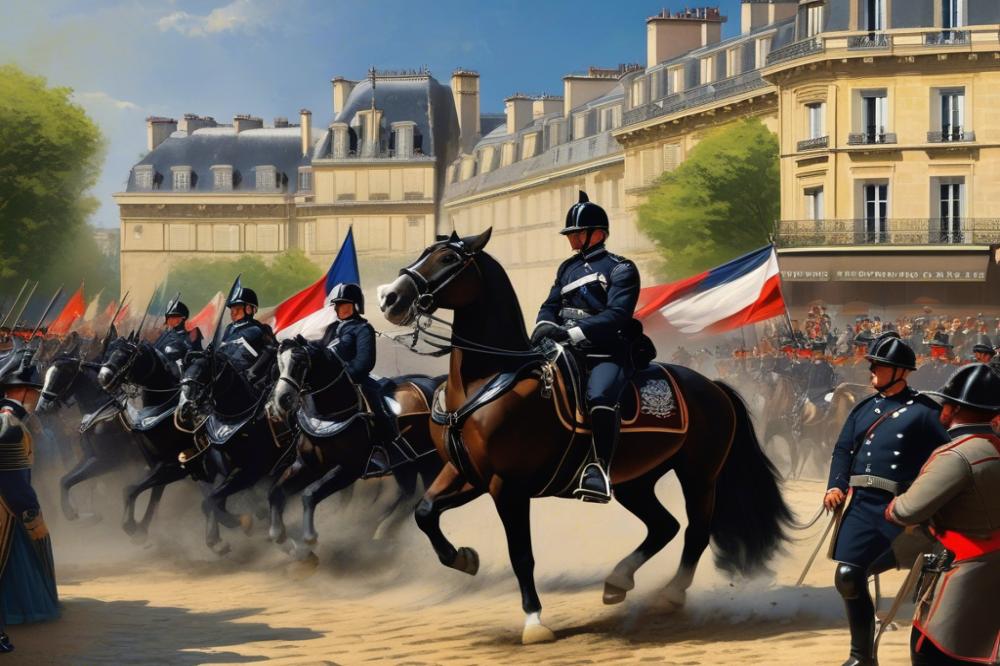
The origins of mounted police in France can be traced back several centuries. Initially, Percherons were the breed of choice. Known for their strength and calm demeanor, these horses carried officers on patrol, helping to keep the streets safe.
As time progressed, various horse breeds began to emerge in law enforcement. The breed commonly called Selle Français became popular during the 20th century. This breed is famous for its agility and speed, making it well-suited for the demands of urban policing. Officers developed a close bond with their horses, using them for more than just transportation.
Crowd control often posed significant challenges. Mounted police have historically played key roles during public demonstrations and celebrations. Their height provided an advantage in overseeing large groups, allowing officers to assess situations effectively. In moments of unrest, these horses helped maintain order by acting as a barrier between crowds and officers on the ground.
Public safety strategies evolved alongside the capabilities of horse breeds. As police forces recognized the value of mounted units, training became more specialized. Riders learned how to navigate tricky environments and manage their horses in tense situations. Breeds like the Selle Français contributed to improved performance during these critical moments.
Over the years, the role of mounted officers expanded beyond mere enforcement. They became symbols of authority and reassurance in urban areas. People often felt safer knowing that officers on horseback were present during events or holidays. This visibility created a sense of community.
In France, the historical use of horses in law enforcement reflects a blend of tradition and modernity. Various breeds adapted to the changing needs of police work. Today, the legacy of those original Percherons continues as newer generations of horses contribute to law enforcement’s ongoing mission in society.
The Role of Selle Français in Modern Mounted Police
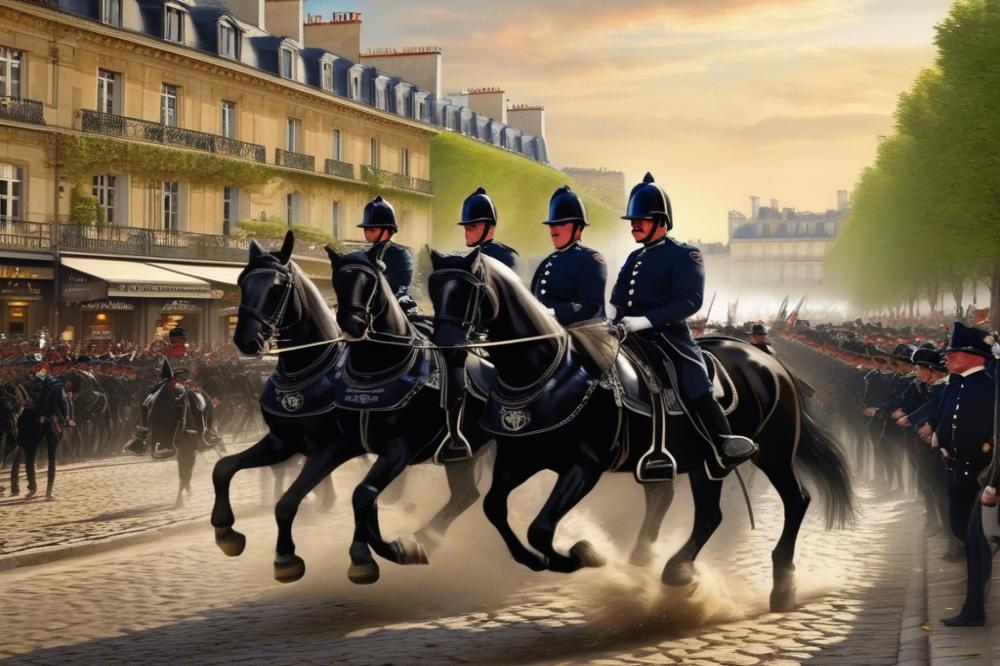
The Selle Français is a striking breed known for its athleticism and versatility. Originating in France, this horse type combines strength with a graceful build. It’s especially well-suited for police work due to its agility. Officers can maneuver easily around obstacles during crowd control situations. Temperament plays a key role in their selection. Selle Français horses are often described as calm and willing to learn, attributes that are essential for interactions with the public.
Transitioning from traditional breeds like the Percheron to the Selle Français reflects a changing landscape in law enforcement. Classic breeds had their strengths; however, the Selle Français offers remarkable advantages. This breed’s ability to learn quickly makes it ideal for training scenarios. New techniques for handling modern challenges have prompted police forces to adapt. Breeders and trainers have recognized that agility and responsiveness can greatly enhance effectiveness in various situations.
Current practices in selecting police horses often focus on individual temperaments and physical traits. Trainers assess potential candidates for specific qualities. Traits such as intelligence and calmness can be crucial during stressful events. Professionals look for animals that display confidence in new environments. Training programs have evolved, emphasizing positive reinforcement to build trust and obedience. The focus is on creating strong relationships between horses and their handlers, which can lead to more effective teamwork.
Colleges and organizations dedicated to horse training contribute to the process. Many have started to spotlight the Selle Français, highlighting its advantages for specific roles. In the field, the horses work alongside officers, participating in various duties, from patrolling events to crowd management. The integration of this breed into modern law enforcement techniques marks an important step forward. As needs change, so do the methods employed by those in charge of public safety.
Crowd Control and Public Safety Operations
Mounted police play a critical role in managing large gatherings in France. These officers on horseback offer visibility during events like protests and festivals. People can easily see them above the crowd, which fosters a sense of security. Crowds can become chaotic, especially when tensions are high. The presence of horses helps to de-escalate potential conflicts.
During public demonstrations, officers often position themselves strategically to monitor movements. This allows for better communication between law enforcement and event organizers. Horses can navigate through crowds more easily than vehicles can. This mobility allows police to respond quickly to any disturbances. It acts as both a deterrent and a means to address issues effectively.
Public gatherings attract diverse groups with different opinions and emotions. Managing these events requires skill and experience. Riders must be trained not only in horseback skills but also in crowd dynamics. Understanding the psychology of crowds is essential for successful intervention. Officers work hard to maintain order while respecting people’s rights to express their views.
Festivals and parades also necessitate careful crowd management. The festive environment can quickly shift if tensions rise. By patrolling on horseback, officers can spot problems before they escalate. This vigilance promotes a safer atmosphere for everyone involved.
Overall, officers on horseback demonstrate a unique approach to safety. Their presence reassures the public while keeping potential threats at bay. Engaging with festival-goers or protesters humanizes law enforcement. This connection can have a calming effect during tense moments. Each operation shows the importance of preparedness and quick thinking.
Trust is built through visible, approachable law enforcement. Horses become symbols of strength and stability in uncertain situations. Officers use this dynamic to foster public confidence. With effective strategies, mounted police remain an essential component of crowd safety in France.
Animal Welfare Considerations in Mounted Police Work
Welfare of police horses in France is crucial. These animals play an important role, and their health must be a priority. Regular veterinary check-ups are standard practice. These visits help catch any health issues before they become serious.
Riding and training techniques are also considered carefully. Officers are trained to be gentle and patient. This approach minimizes stress during exercises. Horses respond better when treated kindly, and this impacts their work performance positively.
High-quality feed and bedding are essential for comfort. The horses receive nutritious diets tailored to their needs. Sufficient rest is also part of their routine. After a long day, giving them time to relax is vital for their mental health.
Humane treatment extends beyond physical care. Emotional welfare plays a significant role in overall health. Establishing a bond between the horse and the officer is important. Trust enhances the effectiveness of their collaboration.
During events, special care is taken to avoid overwhelming the animals. Noise and crowds can be stressful. Officers use calm voices and familiar cues to guide their horses through high-energy environments. Understanding each horse’s personality helps in this regard.
Public awareness about animal welfare influences police practices. People increasingly care about how animals are treated. Society expects the utmost compassion towards these equine partners. This trend pushes for ongoing improvements in animal care protocols.
In the end, the well-being of these horses reflects on their performance. A healthy, happy horse is more reliable and effective. Ensuring their welfare serves not just the horse, but the entire community. When horses flourish, everyone benefits.
Comparative Analysis of Mounted Police Worldwide
Mounted police are found in many countries, each with its own style and methods. In the United States, for example, various cities have police units on horseback. Officers often patrol busy areas during events. Horse breeds can differ, but many choose flowy Arabians or sturdy Quarter Horses. These animals are known for their agility and calm demeanor.
In Canada, the Royal Canadian Mounted Police stand out. Their use of horses adds a historical touch not seen elsewhere. The iconic image of the Mountie in a red serge uniform and cowboy hat is famous. Horses like the Canadian Horse are common. They are strong and adaptable to changing terrains and climates.
Over in the UK, the situation is different. The Metropolitan Police utilize horses for crowd control and public relations. Thoroughbreds are popular for their speed and presence. Training focuses on public interactions, ensuring horses remain calm social environments. You often see them during major events, like parades and football matches.
France takes a distinct approach with its mounted units. Percherons and Selle Français horses serve different purposes. The Percheron is known for its strength, making it suitable for heavy work. In contrast, the Selle Français is known for its athleticism, which is ideal for chasing down suspects in urban settings.
Training methods also vary across nations. French mounted units use rigorous training sessions to prepare both horse and rider. Officers learn to manage difficult situations effectively. In other countries, training may place more emphasis on interaction with the public. Each method reflects cultural values and law enforcement priorities.
Operational roles are diverse too. For instance, mounted teams in the U.S. often engage in community outreach. Their presence builds trust in neighborhoods. In Europe, authorities often assign horses for crowd control. Riots or significant demonstrations require their expertise. The gradual approach can help defuse tensions before they escalate.
Overall, many factors influence how mounted units operate around the globe. Horse breed selection, training techniques, and operational objectives each play a part in shaping their effectiveness. Every nation adopts a model that reflects its own unique needs and environments.
Final Reflections on Mounted Police in France
The role of mounted police in France is significant. They act as a bridge between law enforcement and the public. Through their presence, they can create connections that promote trust and safety in communities. Furthermore, these officers on horseback offer a unique perspective on crowd control. Their visibility allows them to monitor situations from an elevated position.
The evolution of horse breeds, from sturdy Percherons to the agile Selle Français, has greatly impacted police work. Each breed brings different strengths to the job. Percherons, known for their strength, were excellent for patrol duties in their time. Transitioning to Selle Français horses has enhanced agility and speed. This change reflects an ongoing commitment to improving operational effectiveness.
Looking to the future, mounted units remain vital for public safety. As urban areas grow and evolve, so do the challenges faced by law enforcement. Mounted officers can adapt to various environments, ensuring a calming presence. Additionally, they play a role in promoting animal welfare. Proper care and training for these horses help foster a respectful relationship between humans and animals.
In essence, mounted police in France are more than just a nostalgic reminder of past traditions. They represent a blend of history, community engagement, and progressive change. By continuing to adapt to new circumstances, they will be positioned for success in their vital role. A legacy rooted in heritage can lead to innovative practices in policing. Together, these elements shape a promising outlook for the future.

