
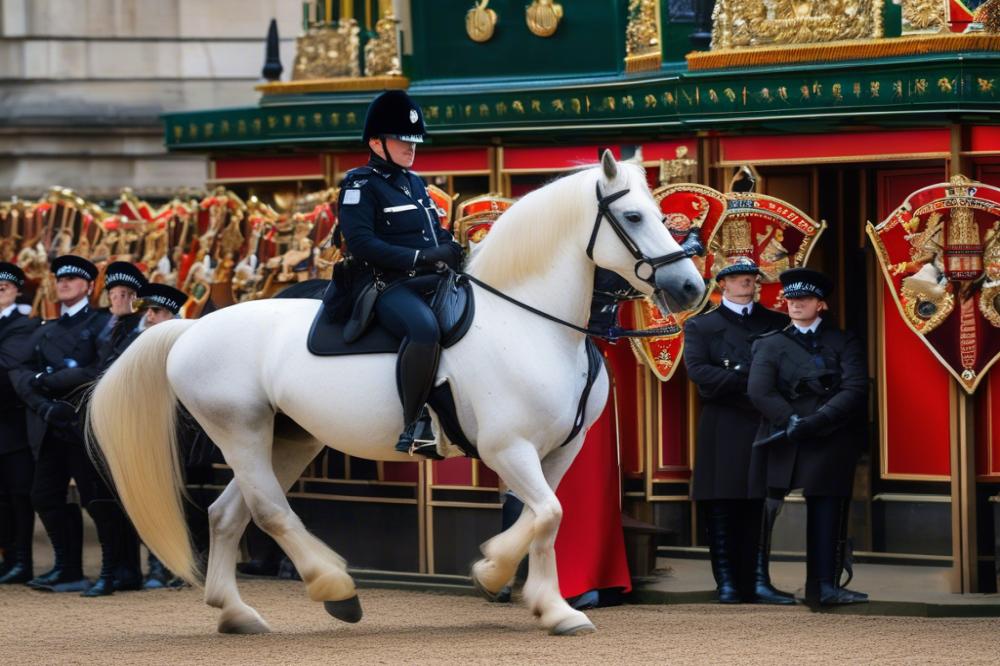
The Noble Guardians: How police horses Maintain Order in the UK
Introduction
police horses play an important role in maintaining order across the UK. With their towering presence, these majestic animals symbolize authority and stability. Each day, they patrol city streets, ensuring a safe environment for citizens and officers alike. Mounted units provide a unique way to connect with the community. They foster positive interactions, making law enforcement more accessible.
Around the globe, the use of horses in policing varies widely. Some countries have relied on mounted units for centuries, while others are just beginning to see the benefits. In bustling cities, these animals can navigate crowds more effectively than cars. This allows officers to respond quickly to incidents. People often feel more at ease when they see a friendly horse and rider rather than an intimidating squad car.
Additionally, the sight of a police horse can deter potential troublemakers. Many respect the power and grace these animals represent. Overall, they serve as a bridge between law enforcement and the public. Excelling in crowd control, engagement, and maintaining peace, police horses remain a key feature of modern policing in the UK.
The Role of Police Horses in the UK
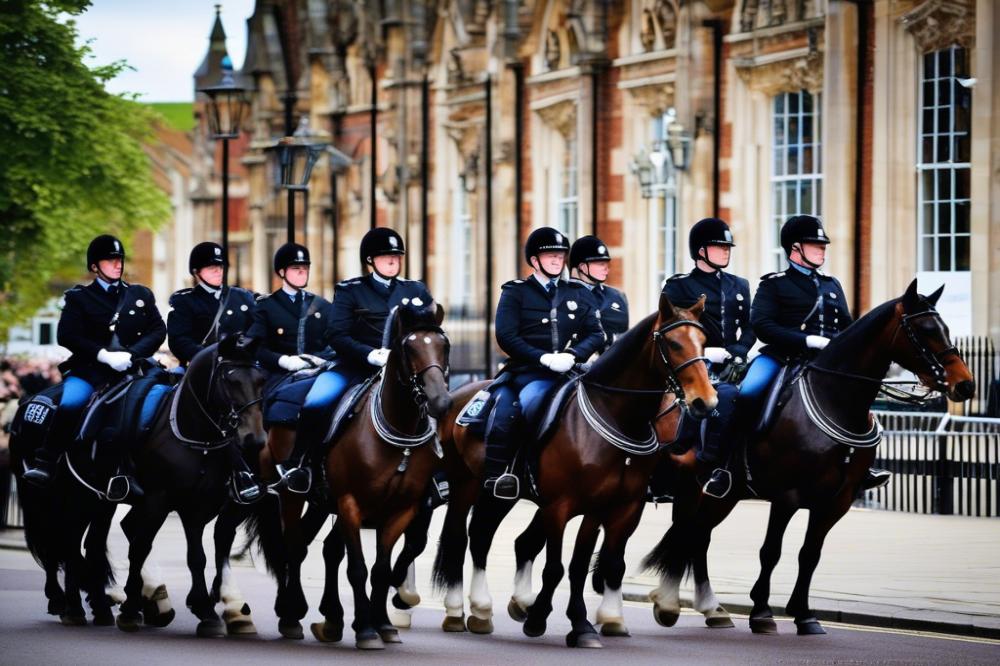
Mounted units play a vital part in urban policing. Horses are not merely symbols of tradition; they serve critical functions in maintaining public order. Officers mounted atop these gentle giants patrol busy streets, parks, and crowded venues, providing an enhanced presence that can deter unruly behavior.
During large events and protests, their contribution shines brightly. The sheer height of these animals gives officers a strategic viewpoint, allowing them to observe situations from above. This vantage point aids in crowd assessment, enabling law enforcement to respond swiftly if tensions rise. Horses also have an ability to navigate through crowds that vehicles simply cannot match, making them invaluable in urban settings.
Another advantage lies in their visibility. People are naturally drawn to the sight of a horse, which can help diffuse potential conflicts before they escalate. Bystanders often feel a sense of safety when mounted police are present. This trust fosters a connection between officers and the community. It is not uncommon for people to approach them for a friendly chat or a photo, breaking down barriers between the police and the public.
Mobility also sets horses apart from other forms of law enforcement. They can maneuver through tighter spaces. In situations where large crowds gather, bikes or cars can struggle. The quiet and calm demeanor of these animals often helps in keeping tensions low, as their presence can act as a calming influence. Amid chaos, the sight of officers on horseback can remind everyone that control is being maintained.
Every mounted officer undergoes rigorous training, both personally and with their horse. This bond helps ensure effective responses to various situations. Trust and understanding between horse and rider are crucial. This relationship directly impacts how they function as a unit in challenging environments.
In summary, horses are an age-old tool in modern policing. They maintain order during events and enhance visibility in bustling city applications. Their unique combination of agility and calmness makes them a powerful asset in today’s urban landscape.
Community Engagement and Public Safety
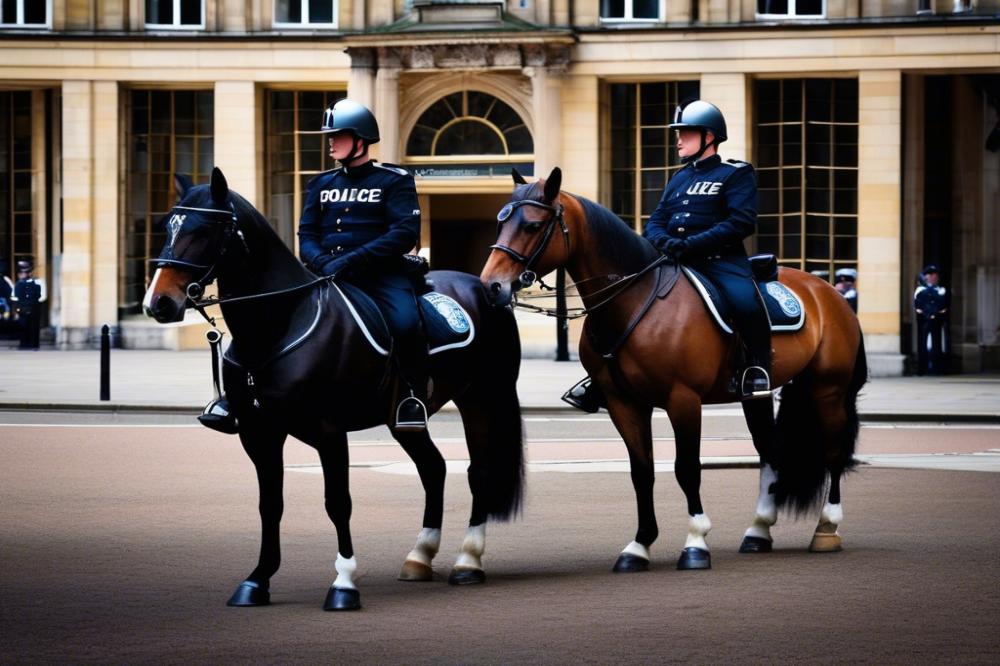
Police horses play an important role in community events. Their presence can warm hearts and spark conversations. This connection helps build positive relationships between law enforcement and local residents. Many cities have embraced these majestic creatures during festivals, parades, and fairs, bringing a sense of trust.
Interactions often go beyond just appearances. Officers on horseback engage in educational programs for youths. These initiatives teach young people about safety, respect, and the responsibilities of policing. By involving a friendly horse, young people feel more connected to law enforcement as they learn together.
Public safety is enhanced through these friendly encounters. People tend to approach officers more easily when a horse is nearby. This creates opportunities for discussion, breaking down barriers. The warmth of a horse can turn apprehension into comfortable dialogue, allowing officers to share insights and provide guidance.
These initiatives also serve as a reminder of the police’s commitment to the community. Through outreach events, officers show that they care. Children and adults alike gain a better understanding of their role as protectors. It’s in these moments that trust is built, creating a safer environment for everyone.
Involving horses in community events can also enhance visibility. Officers on horseback patrol more areas, effectively providing a strong presence. This helps deter crime while fostering a sense of security among the public. Witnessing a mounted patrol often leaves a lasting impression. Many residents feel a tinge of nostalgia, recalling images of bravery and camaraderie.
Overall, the interactions facilitated by police horses contribute to a greater sense of safety. When communities feel more connected to their police force, cooperation grows. These efforts go a long way in bridging the gap, benefiting both law enforcement and citizens alike.
Equestrian Units and Police Strategies
In the UK, equestrian units play a vital role within law enforcement. These specialized teams operate primarily in urban areas and during major events. Officers receive rigorous training, which includes equine care and crowd management. Each horse must be well-socialized to work effectively in different settings. Both horse and rider form a strong bond, which is crucial for teamwork and communication.
Strategically, police forces use these equestrian units in various scenarios. They often patrol busy streets during festivals or large public gatherings. Strong visibility helps deter crime and reassures the public. Officers on horseback can navigate crowds better than those in vehicles, allowing for quick responses to disturbances. Additionally, these units often engage with communities, enhancing relations and trust.
Adapting to different environments is a key strength of these units. In city centers, horses can maneuver around tight spaces while still keeping an eye on law and order. While roaming quieter rural areas, they offer reassuring presence to local residents. Training is not solely based on riding ability, but also on how to handle different situations that could arise. Techniques for de-escalation are a part of their preparation, helping to maintain peace rather than incite panic.
During protests or events where crowds gather, the presence of skilled officers and their mounts can make a notable difference. Horses can be more approachable than uniformed officers, inviting interaction and calming tensions when needed. Policing strategies often hinge on the ability to read a situation and adjust tactics accordingly. Flexibility plays a significant role in their effectiveness.
Moreover, many of these units rely on input from the community. Feedback helps shape their approaches and fosters a collaborative spirit. These gatherings of officers and their horses can create a unique atmosphere of safety. With the right environment and support from the public, participants can feel a bit more at ease.
Animal Welfare Considerations
Animal welfare stands as a vital concern in the realm of policing. Authorities recognize that the mental and physical health of these creatures plays a critical role in their effectiveness. Standards for care include proper nutrition, regular exercise, and time for rest. Police forces have developed specific policies to guide the treatment of their horses.
Trainers spend considerable time with each animal. This interaction fosters a bond vital for successful performance in various situations. Exercises focus on building trust, ease, and comfort. Gentle handling techniques are used to create a safe environment. Horses must also undergo thorough training not only to follow commands but to feel secure in their roles.
Veterinary care is another essential aspect of their welfare. Regular check-ups help identify any health issues early. Vaccinations and treatments are conducted as necessary, preventing potential problems. It is paramount that these animals receive top-notch medical attention. Such care ensures they can perform their duties without risk to their health.
Additionally, guidelines governed by strict regulations dictate working hours and conditions. These standards help manage the animals’ stress levels. Rest periods are scheduled to let these horses relax and recover after demanding tasks. Their handlers remain aware of signs of fatigue or anxiety and take appropriate action to address them.
In every operation, the well-being of these animals is a priority. Policymakers engage in ongoing dialogues about how best to protect their interests. Both physical and emotional aspects of care receive focus. The systemic approach to their welfare reflects a commitment to treating them as respected partners in maintaining public safety.
Comparative Analysis: Police Horses Around the World
Across the globe, different countries employ mounted units in their law enforcement strategies. In many places, horses are commonly used for crowd control. Officers on horseback can easily navigate dense crowds during events. This type of police work fosters a visible presence that often calms situations.
In the United States, police forces often utilize horses at public gatherings and social events. Large cities, such as New York and Los Angeles, integrate mounted patrols into their security plans. Their presence can deter crime and encourage community interactions. People often feel more comfortable approaching an officer on horseback.
Meanwhile, Canada has adopted a similar approach. Mounted units work in urban areas, promoting safety and community engagement. Reports show that citizens are generally more receptive to law enforcement when officers are on horseback. This method allows for a unique bond between the community and police.
In the United Kingdom, horses provide a mobile form of policing that can reach areas where vehicles cannot. Events like parades or sports games benefit from their presence. Officers have the chance to interact face-to-face with bystanders. This helps build trust and open lines of communication.
Australia features mounted patrols as well. Here, they play a significant role in maintaining order during public events. Officers report that the elevation of being on a horse helps create a more approachable atmosphere. Their presence often leads to reduced tensions during large gatherings.
Despite the variations, many regions share a common goal: enhancing public safety and community relations. Each country adapts their strategies based on cultural norms and public expectations. The universal appeal of horses bridges gaps and creates a sense of familiarity. Ultimately, the bond between mounted police and communities can lead to more effective policing and a safer environment.
Closing Thoughts on Mounted Police and Community Safety
Maintaining order in bustling urban environments requires a thoughtful approach. Police horses play a vital role in this effort. They are not just animals in uniforms; they embody a unique bond between law enforcement and the community. Officers on horseback can connect with citizens in a way that patrol cars cannot. The sight of these noble steeds often brings smiles to faces, inspiring trust and approachability.
Moreover, mounted police offer more than just a comforting presence. Their height gives officers a better vantage point in crowded areas, making it easier to monitor situations. This advantage aids in diffusing potential conflicts before they escalate. This proactive strategy is essential for public safety, fostering a sense of security for everyday citizens.
Global perspectives also show the benefits of horse units in policing. Nations worldwide look to these teams to enhance their community engagement. Lessons learned from the UK can be applied far and wide. As cities grapple with their own unique challenges, effective models of mounted police can inspire new tactics in public safety.
Support for these animals and their handlers should be a priority. Investing in their welfare reflects society’s values. The partnership between horses and officers demonstrates a commitment to humane police practices. By nurturing this relationship, communities can enhance the efficacy of their law enforcement efforts. The future of policing can be brighter, with mounted units leading the way.

