
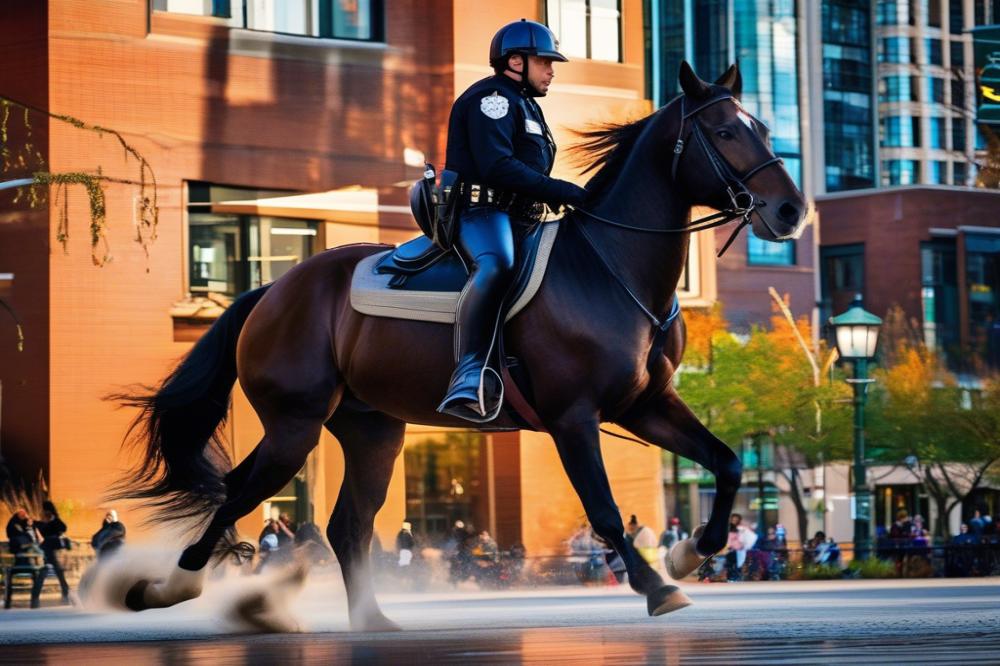
Patrolling the Streets of Canada: The Unique Training of Mounted Police horses
Patrolling the streets of Canada involves much more than just the presence of officers on horseback. The horses-and-their-second-careers”>Canadian Mounted Police (RCMP) plays a significant role in promoting public safety through their mounted units. Horses are not just a mode of transportation; they are an integral part of law enforcement. The training that these horses undergo is rigorous and meticulously designed to prepare them for the challenges they may face.
mounted police training is essential to building trust and confidence in communities. Officers on horseback can engage with the public in ways that cars cannot. The visibility of these majestic animals often draws crowds, creating opportunities for positive interactions between law enforcement and citizens. This connection fosters a sense of security in neighborhoods and serves as a deterrent to crime.
Globally, mounted police forces share similar objectives. Many countries utilize horses in policing for crowd control and ceremonial purposes. However, Canadian training methods are distinct, reflecting the unique cultural landscape of Canada. Training not only focuses on the horse’s ability to perform tasks but also on the relationship between horse and rider. This bond is crucial for effective policing.
Canadian Mounted Police horses endure extensive training that prepares them for the diverse urban and rural environments they patrol. Each horse must learn to navigate various surfaces and handle unexpected situations calmly. This includes exposure to loud noises, busy streets, and large gatherings. Making sure these horses are adaptable aids officers during critical moments.
In conclusion, the role of mounted police horses in Canada extends beyond mere aesthetics. They are well-trained partners in maintaining public safety. The Canadian Mounted Police set an example for others by focusing on the relationship between the horse and officer, ensuring a smooth and effective partnership.
Understanding mounted police training
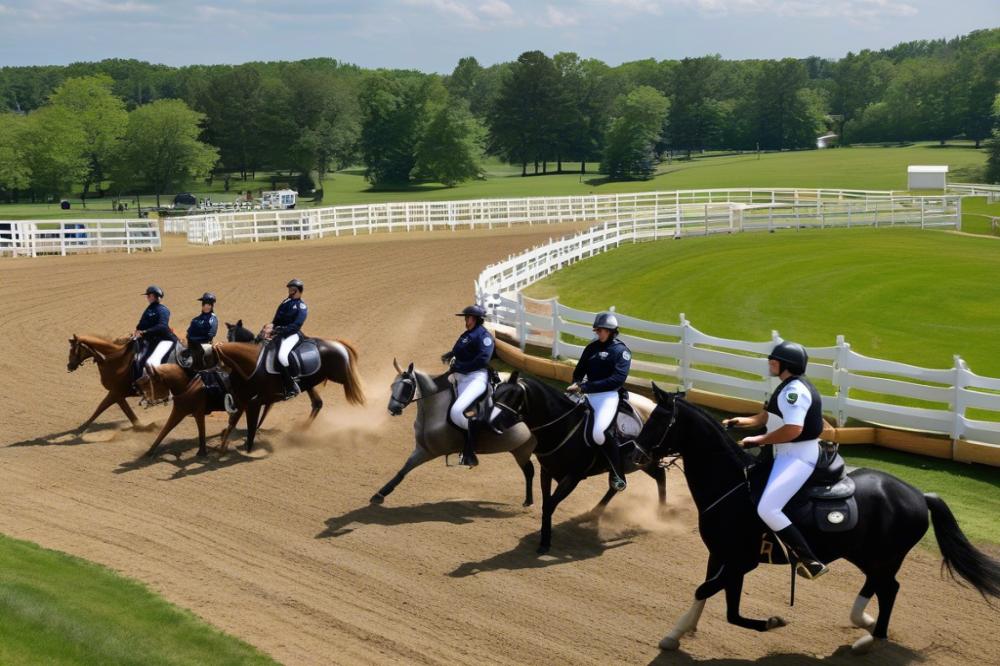
The training program for horses in Canadian mounted police is very detailed. It starts with the selection of the animals. Only horses with the right mix of equestrian skill and temperament make the cut. The selection process is crucial. A good horse must be calm, strong, and confident. Temperament plays a key role. Horses that get easily spooked or show aggressive behavior are not suitable.
Once the horses are selected, the basic training begins. This phase focuses on teaching the horses essential commands. Trainers use consistent signals that the horses can learn over time. Each session builds the horse’s understanding of what is expected. They teach the animals to respond positively to riders and adapt to various situations.
Handlers use different techniques to prepare the horses for service. Desensitization is important. This process exposes the horses to various sights and sounds they might encounter while on duty. From loud noises to crowded environments, the goal is to keep horses calm and ready to face challenges. Trainers also incorporate ground work. This helps improve the relationship between the horse and trainer.
In addition, socialization is another key aspect. Horses must interact with other horses and people. This helps them adjust to the community they will serve. They learn to remain composed during large gatherings, parades, or events. Building confidence is a top priority. Trainers carefully monitor each horse’s progress and adjust methods when necessary.
The culmination of this training prepares horses for public duty. They are conditioned to work in various environments. Whether in city streets or rural settings, these horses learn to handle the expected pressures. Teamwork between horse and rider is emphasized throughout training. A strong bond significantly enhances performance in the field.
Specialized Training for Public Safety
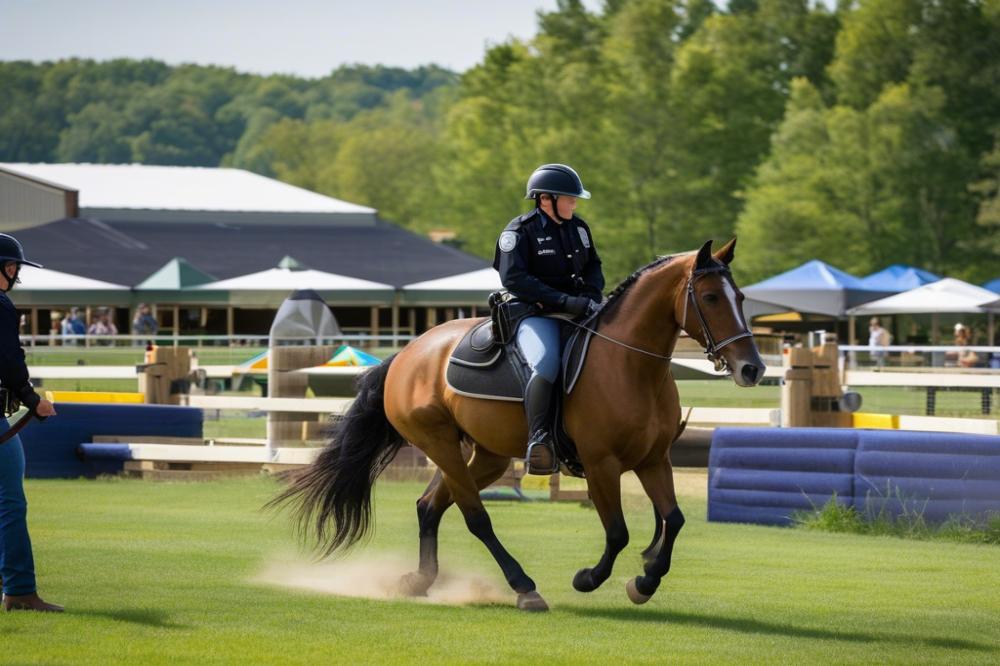
Training techniques for mounted police officers are extensive and focused on safety. Officers learn to work closely with their horses to create a strong partnership. This connection is vital when navigating crowded areas and public events. Horses are trained to stay calm and alert in dynamic environments. These remarkable animals can sense the emotions of people around them.
Crowd control is a major aspect of this specialized training. Riders develop skills in handling their horses amid large groups. Officers practice techniques that promote a safe and effective response in challenging situations. The training exercises simulate real-life interactions with the public. Each scenario helps the horse build confidence while remaining responsive to its rider.
Public interaction is at the heart of the mounted police role. Horses serve as a bridge between law enforcement and the community. They naturally draw attention, which allows officers to engage with citizens. Friendly interactions can ease tensions in crowded situations. The partnership between horse and rider creates a visual presence that demands respect.
Teamwork is essential for success in this training. Both riders and horses must respond intuitively to one another. Communication takes many forms, from subtle shifts in body language to voice commands. Riders learn to recognize their horse’s feedback in different settings. This understanding fosters a bond that is crucial when handling unexpected challenges on duty.
Officers undergo rigorous drills that test their skills and instincts. Each exercise is designed to enhance both rider and horse capabilities. Training often includes exposure to music, loud noises, and sudden movements. These elements prepare horses for various public scenarios they might face during patrols. Adaptability is key for both the horse and rider in these situations.
The Role of Toronto Police Mounted Unit
The Toronto Police Mounted Unit plays an important role in community policing. Officers and their horses patrol busy areas, fostering a sense of safety. Training for these teams is extensive. Each horse learns to deal with noise, crowds, and unexpected events. This preparation is crucial for successful operations during large gatherings.
In Toronto, the focus is on both law enforcement and public engagement. Officers on horseback can communicate with people easily. Their height allows them to see over crowds, giving them an advantage. Additionally, the horses themselves become a focal point, drawing people in and creating positive interactions. This connection with the community is a key aspect of their mission.
When it comes to crowd control, strategies vary. Officers use their presence to deter potential issues before they escalate. The unique way the mounted unit interacts with the public helps to manage large events smoothly. Encounters between riders and citizens can transform tense situations into friendly exchanges. Such interactions are vital during major festivals or protests.
Toronto’s approach stands out among other Canadian cities. For example, similar units in cities like Vancouver or Calgary also focus on safety. However, the degree of community involvement might differ from one city to another. Some cities prioritize traditional enforcement more than community engagement. In contrast, Toronto’s mounted unit integrates both aspects effectively.
Training programs across Canada share common goals, yet Toronto has tailored its methods. Unique challenges arise in urban settings that urban areas like Calgary might not encounter. Officers here learn to adapt quickly while maintaining control. Horses must respond well to various city sounds, such as sirens and honking horns. Together, horse and rider create a powerful presence that supports their objectives.
Animal Training Ethics and Practices
Ethics in training mounted police horses is a critical topic for discussion. Officers must consider how their methods affect the animals. In recent years, a shift toward positive reinforcement has gained popularity. This technique focuses on rewards for good behavior instead of punishment for mistakes.
Creating a trusting bond between the officers and their horses is essential. This relationship relies on mutual respect and understanding. Horses respond better when they feel safe and valued. When officers use kind words, gentle touches, and treats, the horses learn to trust them.
Humane treatment is not just about kindness. It impacts the performance of the horse during patrols. Animals that are treated well tend to be calmer and more focused. This results in a more effective partnership on the streets.
Positive reinforcement techniques also help improve learning speed. Horses trained in this manner often show greater enthusiasm. They enjoy the work they do and are eager to please their handlers. This leads to a more enjoyable experience for both the horse and the officer.
In contrast, traditional training methods can cause fear and anxiety. Horses subjected to harsh tactics may become aggressive or withdrawn. Trust is hard to gain back once it’s lost. For this reason, many trainers now emphasize a gentle approach.
Cultivating a good relationship takes time and patience. Officers learn to observe their horses closely. Understanding body language and signs of stress is crucial. These elements play a significant role in the effectiveness of training sessions.
A focus on ethical practices benefits everyone. Police forces that adopt such methods often see lower instances of behavioral problems. Horses that are happy and healthy are also better ambassadors for the community. They represent the police force positively when patrolling urban environments.
The Impact on Community Engagement
Mounted police horses play an important role in building community connections. Their presence at events fosters a comfortable environment for people to engage with law enforcement. Many residents feel more at ease approaching a police officer on horseback. This interaction often leads to positive conversations and stronger relationships between the police and the community.
Horses are more than just transportation for officers. They serve as friendly ambassadors for police departments. During parades, festivals, and sporting events, these animals attract crowds. People of all ages are drawn to them, sparking interest and excitement. This interaction helps to create a welcoming atmosphere. It encourages trust and cooperation in efforts to keep neighborhoods safe.
Moreover, the visibility of mounted patrols plays a significant part in community safety. A horse and rider can cover areas that are difficult for traditional vehicles. Residents appreciate seeing officers on horseback, as they promote a feeling of security. The officers often engage in informal conversations. They listen to community concerns directly, which can lead to better policing strategies.
Mounted police units frequently participate in various community events. These gatherings serve as a platform for education. Officers may discuss safety tips and share valuable crime prevention information. Local schools also invite mounted police to special occasions. Children love to see the horses, and the officers build rapport with the younger generation.
Public demonstrations involving horses help de-stigmatize the image of law enforcement. Events like community fairs give residents a chance to see how officers interact with their horses. Many people appreciate this transparency, as it opens up lines of communication. Trust is further strengthened when police officers can showcase their skills and the training their horses undergo.
Beyond events, regular patrols on horseback bring police and communities closer together. These patrols often happen in parks and busy urban areas. Families may approach officers, ask questions, or share their experiences. Such moments are essential in everyday community relations. The presence of horses breaks down barriers, promoting understanding on both sides.
Final Thoughts
Mounted police horses play a vital role in the fabric of Canadian law enforcement. Their training program is designed not only for the physical demands of police work but also for fostering a deep bond with their riders. This special relationship is key to ensuring effective communication and response during various situations. These magnificent animals often serve as a bridge between the community and law enforcement.
In urban areas, their presence calms crowds. Horses have a way of drawing people in, creating opportunities for positive interactions. Such moments can lead to stronger relationships between officers and the public. Moreover, the sight of a mounted officer can deter crime and encourage safer environments. Patrols on horseback offer a unique vantage point that enhances overall safety.
Law enforcement depends on these incredible partnerships. The skillful training that police horses undergo equips them to handle many scenarios effectively. Those involved understand that the bond between horses and officers goes beyond mere duty; it is rooted in trust. This connection enhances the overall effectiveness of mounted police teams.
Appreciating this alliance is essential for the community. Together, officers and their horses contribute to maintaining harmony and peace. The contribution of these mounted units is invaluable. Recognizing their hard work and dedication can foster a greater appreciation for public safety efforts. As we look to the future, the partnership between law enforcement and horses will remain crucial in nurturing public trust and safety.

