
The future of horse racing in France: Is the Sport Thriving or in Decline?
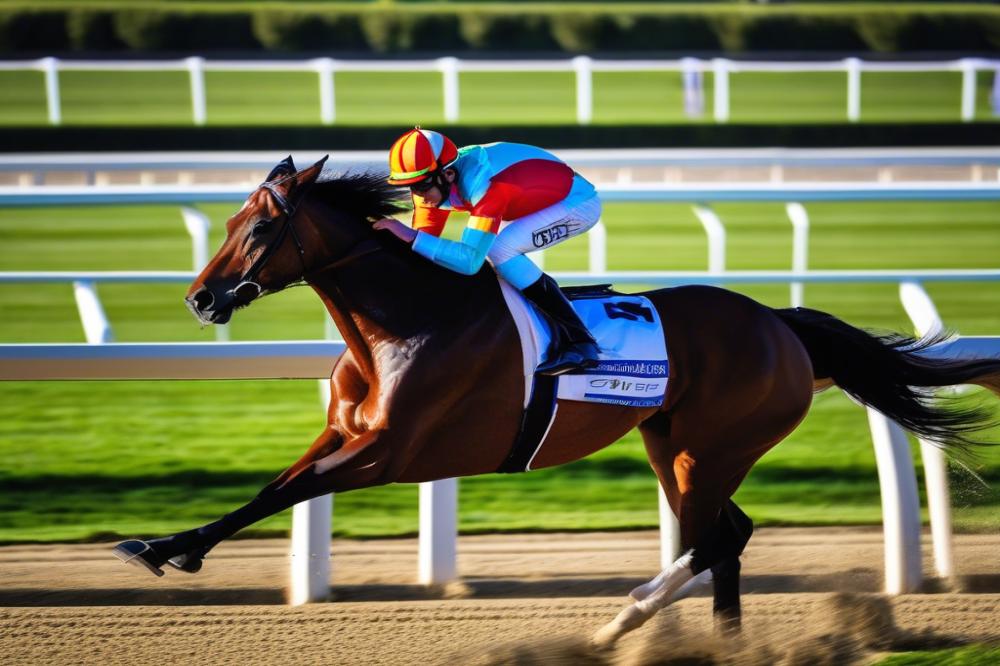
Horse racing in France boasts a rich history, woven into the very fabric of the nation. For centuries, it has attracted attention, showcasing not only the skill of the jockeys but also the beauty of the horses. The elegance of events like the Prix de l’Arc de Triomphe emphasizes its cultural significance. Many see it as more than just a sport; it’s a tradition that unites enthusiasts and casual viewers alike.
Evaluating the present state and future of horse racing matters significantly. Current trends hint at changes that could either enhance or threaten this age-old activity. Understanding these dynamics is crucial for fans and stakeholders. Is the sport keeping up with modern entertainment options, or is it facing a looming crisis?
Several key factors influence the trajectory of racing in France. The rise of alternative entertainment is one concern. Young audiences, drawn to digital experiences, may overlook traditional races. Moreover, economic pressures also play a role. Sponsorship and revenue streams have shifted, challenging the sustainability of the sport. As attendees’ interests evolve, so too must the events crafted to capture and maintain their attention.
Ultimately, the future of horse racing in France hangs in a delicate balance. Stakeholders must consider how to adapt and innovate. Bridging the gap between tradition and modernity could define the direction of this historic sport. With careful planning and community support, it may continue to thrive while avoiding the pitfalls of Sport Decline.
The Current State of Horse Racing in France
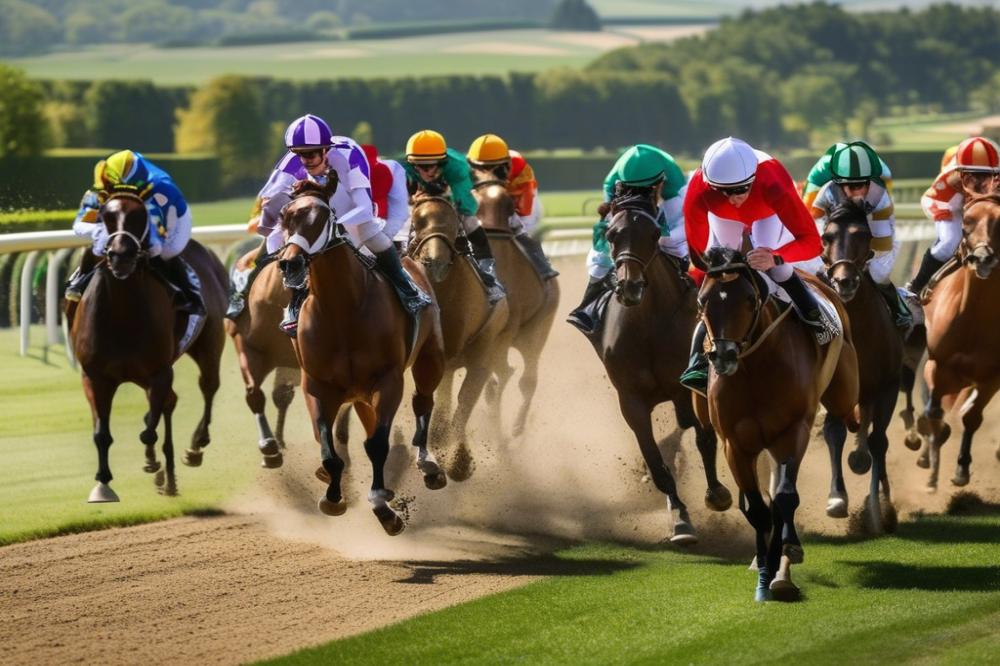
France’s horse racing industry faces a mix of challenges and opportunities. Attendance figures at major events have shown some fluctuation in recent years. In 2022, for example, the average turnout at key races dropped by nearly 10%. This decline raised concerns among industry experts, who worry about the sport’s long-term viability.
Participation in horse racing has also experienced changes. More trainers and breeders are entering the field, yet the number of active participants has not kept pace. The increase in ownership costs and training expenses could be contributing factors. With growing competition from other sports and leisure activities, finding new fans is crucial.
Recent events have notably affected the sport’s reputation. A controversial racing scandal raised questions about integrity and fairness in the sport. It cast a shadow over the industry’s image, impacting sponsors and attracting media scrutiny. Many racing enthusiasts hope that reforms will restore trust among fans and participants alike.
Moreover, the rise of online betting platforms presents both challenges and opportunities. These digital options provide convenience but may also draw spectators away from live events. The potential for increased engagement with younger audiences is there, yet the traditional tracks must adapt to modern preferences.
Statistics show that while the financial health of some racing institutions remains stable, overall sponsorship has declined. The need for fresh marketing strategies is evident. Engaging storytelling and strong community involvement may revitalize interest.
As horse racing continues to navigate these turbulent waters, the balance between tradition and innovation will be vital. This dichotomy offers a glimpse into the industry’s future and whether it can thrive in this shifting landscape.
Betting Trends and Financial Viability

Current betting trends in France show a vibrant landscape that is rapidly evolving. The rise of online platforms has transformed how fans engage with the sport. Many people now prefer betting digitally, experiencing convenience like never before. This shift has drawn younger audiences who are tech-savvy and keen on interactive experiences.
Online betting has become essential to the horse racing industry. It has opened new avenues for participants, allowing them to wager from the comfort of their homes. This access has increased the volume of bets, providing a significant boost to the overall figures. Traditional methods, such as placing bets at the track, have seen a decline as a result of this digital push.
Financial challenges remain a concern within the industry. Despite rising participation in online betting, competition from other forms of entertainment poses a threat. Gambling on sports events, casino games, and even e-sports has captured the interest of potential bettors. This situation has placed pressure on horse racing to attract and retain its audience.
Moreover, older racing venues face maintenance costs and the challenge of modernizing facilities. Keeping these locations appealing is crucial, yet it requires substantial investment. As costs rise, the profitability of events comes into question, causing worry among stakeholders.
The landscape of gambling regulations in France also plays a role. Changing laws influence who can participate and how they can do so. These shifts can disrupt established norms and require adaptations from both bettors and organizers. Navigating this complex regulatory environment adds another layer of difficulty to the industry’s financial viability.
In summary, the current betting trends reflect a blend of opportunity and challenge for the future of horse racing. While online platforms enhance engagement, the industry must tackle financial hurdles and external competition head-on. Maintaining the sport’s appeal hinges on innovative strategies that embrace digital advancements without losing sight of traditional values.
Racing Regulations and Their Impact
Overview of Existing Racing Regulations in France
Racing in France operates under a strict set of regulations. These rules cover everything from race scheduling to horse welfare. Authorities like the France Galop and the Pari Mutuel Urbain oversee the scene. Their primary goal is to maintain fairness and safety on the racetrack. Jockeys and trainers must follow guidelines to compete legally. Medication use is also closely monitored. This aims to prevent unfair advantages and protect the horses’ health.
Analysis of How Regulations Affect Horse Racing Operations and Safety
Regulations play a crucial role in how races are conducted. They ensure that each event runs smoothly and safely. For trainers, adhering to these rules can be challenging. Balancing training demands with regulatory compliance is not always easy. Some trainers feel restricted by the rules, leading to frustration. However, stricter safety measures help protect competitors. Incidents of injury have decreased since implementing these regulations. This benefits both horses and jockeys, fostering a safer environment for all.
Future Regulatory Changes and Their Potential Impact
Changes to existing regulations are likely in the coming years. Discussions have already begun regarding further safety measures. Innovations in technology may also influence future regulations. For example, tracking devices could enhance monitoring of horses during training and competition. Increased oversight could improve safety and performance standards overall. Such changes may lead to greater public trust in the sport. However, adjustments might also burden small trainers or local tracks. Balancing innovation with the needs of all participants will be vital in shaping a sustainable future.
Horse Breeding and Its Future
The current state of horse breeding in France is notable for its rich tradition and high-quality stock. Breeding plays a vital role in the performance of racehorses. Many trainers and owners rely on bloodlines that have proven themselves time and again on the racetrack. The quality of a horse can often be traced back to its lineage, making breeding crucial for sustaining excellence in the sport.
Breeders focus on various aspects to enhance the athletic capabilities of their horses. Careful selection of sires and dams is essential for this process. A strong emphasis on genetics can lead to faster horses and a more competitive edge in races. However, the challenges faced by breeders are significant. Economic pressures and changing regulations can impact their operations.
Market fluctuations pose challenges for the industry. Some breeders struggle with financial stability, especially during tough economic times. Additionally, the shift toward digital markets and online sales is reshaping how horses are bought and sold. Adapting to these changes requires innovation and a willingness to embrace new technologies.
Despite these hurdles, opportunities also exist for breeders willing to invest in quality. Developing relationships with trainers can lead to fruitful partnerships. Access to international markets could bring in new prospects and enhance overall profitability. Moreover, an increasing interest in equestrian sports among younger generations presents a chance to promote the industry.
As the landscape shifts, sustainability is becoming a key focus. Eco-friendly practices in breeding operations could attract a new wave of supporters. Educating breeders about sustainable methods can help them meet the demands of an environmentally conscious public. Finding ways to balance tradition with modern expectations will be crucial for future success.
Tourism Impact on Horse Racing
The relationship between tourism and horse racing in France is significant. Thousands of tourists flock to the country each year, drawn by its rich equestrian culture. This influx of visitors helps to boost the local economy. Racecourses often serve as major attractions, especially during big events.
Role of tourism in supporting the French horse racing sector
Tourism provides essential support for the horse racing sector. Many racetracks host events that cater to both locals and visitors. Major races like the Prix de l’Arc de Triomphe attract international attention. Such events offer a chance to experience the thrill of live racing. Spectators often spend money on food, merchandise, and accommodations. This spending has a ripple effect throughout the surrounding communities.
Popular equestrian events and their attraction to tourists
France is home to a variety of equestrian events that capture tourist interest. From the historic Longchamp Racecourse to the picturesque grounds of Chantilly, there is much to see. Spectacular races often feature special activities, including fashion shows and gourmet dining. These elements create a festive atmosphere that appeals to visitors. People come not just for the racing but for the overall experience.
Future potential for growth in horse racing tourism
Looking ahead, opportunities for growth in horse racing tourism remain strong. Increasing global interest in equestrian sports presents new chances for engagement. Social media campaigns can reach wider audiences, promoting events more effectively. Collaboration with travel agencies may enhance the experience for international guests. By capitalizing on unique French traditions, organizers can further attract tourists. Overall, the future appears promising for the intersection of tourism and horse racing in France.
Athlete Welfare and Public Perception
The welfare of racehorses and jockeys remains a crucial issue in horse racing. Many animal advocates continuously express concerns regarding the treatment and safety of these athletes. Racehorses often endure intense training regimens, which can lead to significant physical strain. Jockeys also face dangerous conditions every time they mount a horse. Injuries are common, stemming from falls or accidents during races.
Public perception of horse racing has shifted over the years, particularly concerning athlete welfare. While some see the sport as a thrilling spectacle, others worry about ethical considerations. Reports of injuries or deaths of racehorses create public outcry. This negative attention can tarnish the sport’s image and lead to calls for reform.
To address these concerns, various initiatives have emerged. Regulatory bodies are working to enhance safety standards for both horses and riders. Many racetracks now implement stricter medical checks before and after races. Some organizations promote better care practices for racehorses. These steps aim to improve safety and protect the wellbeing of all athletes involved.
Education programs for jockeys play a vital role, too. Training focuses on performance, along with injury prevention and rider safety. Increased awareness can lead to better decision-making during races, ultimately benefiting everyone. Enhanced technology, like tracking systems, also aids in monitoring horse health and performance.
Fans of horse racing must also take part in this conversation. Supporting events that prioritize welfare initiatives is essential. Consumers can demand greater transparency in how horses are treated, urging stakeholders to uphold higher standards. As public scrutiny increases, the industry has a growing responsibility to show commitment to athlete welfare.
Fan Engagement and Community Involvement
Current Strategies for Engaging Fans and the Community
Many racing events in France focus on bringing people together. Community days often allow locals to experience the thrill of racing. Engaging families is crucial. Special activities for children can help cultivate a love for the sport. Offering discounted tickets to these events serves as an incentive for attendance.
Building partnerships with local businesses also adds value. These collaborations can lead to joint promotions and giveaways. Furthermore, many racetracks are starting to host educational events. Learning about horses and the racing industry can draw in an audience eager to discover more.
Use of Digital Innovation to Enhance Fan Experience
Technology plays a vital role in shaping the future of racing. Online platforms allow for easy access to information about the sport. Fans can view race schedules, results, and news in real-time. Social media gives racing organizations a way to connect directly with followers. Interactive posts and behind-the-scenes content create interest among viewers.
Mobile apps have also changed the game. Many apps offer betting options and live race updates. Virtual reality experiences are emerging as well. These innovations could immerse fans in the excitement from their homes. Engaging content can build anticipation for upcoming events and foster loyalty.
Future Opportunities for Increasing Audience Participation and Loyalty
Looking ahead, there are numerous opportunities. Offering season passes might attract more regular attendees. A loyalty program could reward fans for consistent attendance. Exclusive events or perks for members can deepen connections with the sport.
The potential for hosting themed events is also promising. Holidays or local celebrations could be more closely tied to races. By uniting different interests, racing venues can elevate attendance. Additionally, creating a more inclusive atmosphere will broaden the audience.
Exploring partnerships with schools and youth organizations could foster enduring interest. Young people represent the future of any sport. Nurturing their enthusiasm for horse racing can lead to lifelong fans. Concerted efforts in these areas can position racing as both a thrilling sport and a community fixture.
Final Thoughts on the Future of Horse Racing in France
The future of horse racing holds mixed prospects. Throughout this article, we have examined various aspects of the sport in France. Significant challenges threaten its endurance. This includes competition from alternative entertainment forms, evolving gambling habits, and the necessity for modernization in race-day experiences.
Tradition is essential to French culture, but it must adapt to modern expectations. Many people love the excitement of the races, yet younger audiences are often drawn elsewhere. Affordability, accessibility, and innovative marketing strategies will play crucial roles in revitalizing interest. Ensuring a broader demographic engages with the sport will prove vital for its longevity.
Stakeholders in the French horse racing industry must take action. Embracing new technologies, enhancing the spectator experience, and promoting inclusivity can breathe fresh life into events. Attracting a diverse audience is key to survival. Engaging school programs or community events could help instill passion for racing in younger generations.
In summary, while challenges exist, the potential for growth remains. Moving forward, a willingness to innovate and adapt will determine whether this sport thrives or experiences decline. It is time for everyone involved to unite and champion a bright future for horse racing in France.

