
Introduction
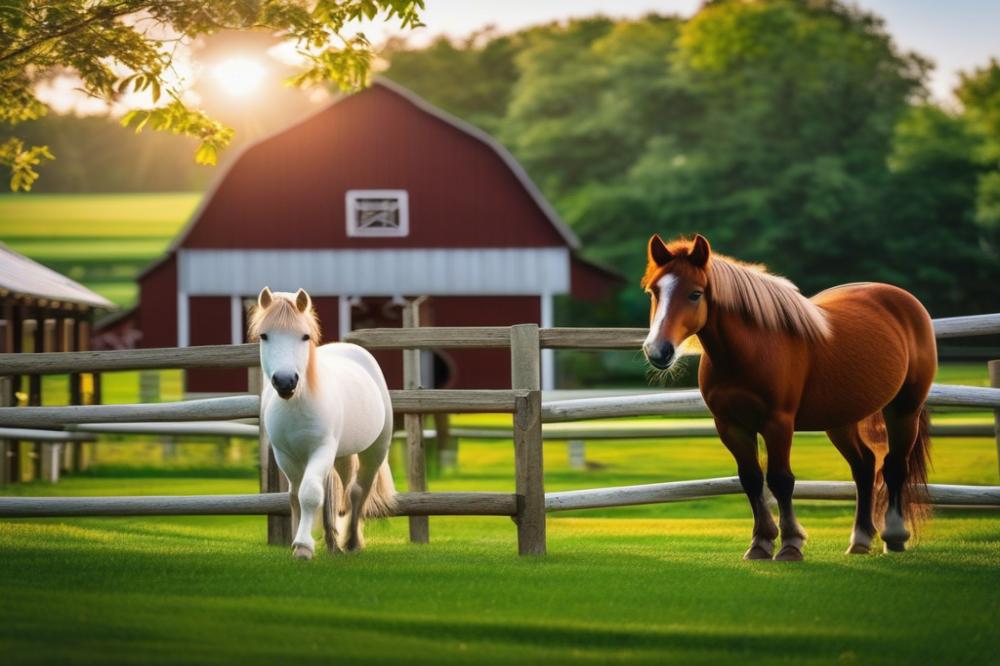
Breeding miniature horses holds significant value in both the equine community and the hearts of many enthusiasts. These small but spirited animals offer companionship, enjoyment, and even therapeutic benefits. As their popularity grows, many individuals are drawn to the idea of breeding these delightful creatures.
Several reasons motivate people to breed miniature horses. Some seek to create exceptional show animals. Others are passionate about producing pets for families or therapy animals for various settings. Each reason highlights the diverse roles that these tiny equines can play in society.
However, misconceptions about Miniature Horse Breeding are common. One widespread belief is that miniature horses require less care than their larger counterparts. In truth, they need just as much attention and care, including proper nutrition, training, and health monitoring. People might also think that breeding is simple due to their size. Yet, the opposite is true; breeding horses involves extensive knowledge and responsible practices. Understanding the realities of Miniature Horse Breeding helps prospective breeders make informed decisions.
Miniature Horse Care demands dedication and skills. Breeding enthusiasts must be prepared for challenges along the journey. By addressing common myths and clarifying the responsibilities tied to breeding, individuals can better appreciate the effort that goes into raising these marvelous animals.
Miniature Horse Breeding
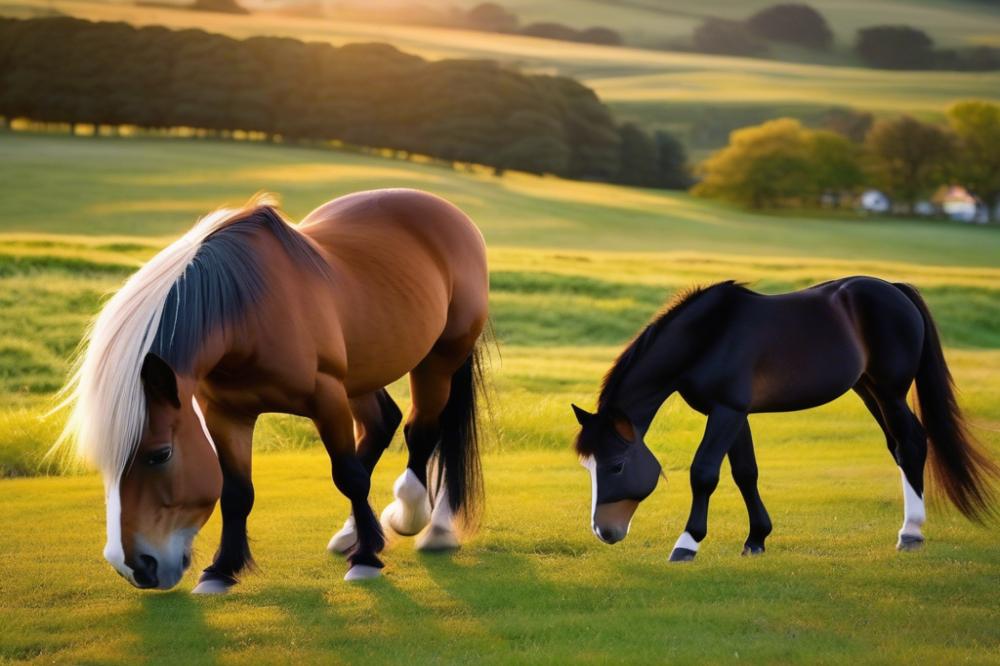
Miniature horses are small, horse-like animals that stand no taller than 34 inches at the withers. Their small size does not mean they lack charm or personality. Many people find these horses to be friendly and engaging companions. Most miniature horses resemble larger breeds in structure and appearance. They possess a refined build, often featuring a well-shaped head and strong legs.
Definition and characteristics of miniature horses
Understanding the characteristics of miniature horses is essential for anyone interested in breeding these animals. These horses have a variety of coat colors and patterns, making them visually appealing. Moreover, they exhibit a range of temperaments, which can influence their suitability for various tasks. Although small, they are known for their strength and agility. Miniatures typically live longer than their larger counterparts, often reaching ages of 25 years or more. Their unique proportions, in addition to their friendly nature, contribute to their popularity.
Understanding breed standards and classifications
Breeders should familiarize themselves with established breed standards. These guidelines define what is considered ideal for miniature horses. Standards often address height, conformation, and color, among other aspects. Different organizations, such as the American Miniature Horse Association, provide specific classifications. Learning these standards helps in identifying quality horses for breeding. Complying with these classifications can influence the success of breeding programs.
Importance of selecting quality breeding stock
Selecting quality breeding stock is one of the most crucial steps in successful breeding. Good breeding stock should showcase excellent health and temperament. Conformation also plays a significant role. Horses that conform well to breed standards are more likely to produce desirable offspring. Conducting thorough evaluations of potential breeding pairs is wise. Potential breeders should also consider genetic background and lineage. Understanding these factors minimizes health issues in future generations.
breeding tips

Choosing the Right Mare and Stallion
Selecting the right mare and stallion is critical in the breeding process. Both horses should have good temperaments and be healthy. Assess their lineage and conformation to predict offspring traits. A mare that has a strong history of successful breeding may be a wise choice. The stallion should also complement her traits. Look for positive qualities like size, color, and temperament. Genetics play a vital role, so making informed decisions is important.
Timing and Understanding the Heat Cycle
Understanding the mare’s heat cycle is essential for successful breeding. Most mares come into heat every 21 days, but this can vary. Observations are key. Look for signs of estrus, such as increased urination or restlessness. Proper timing greatly enhances the chances of conception. Knowing the right time to breed can make a significant difference. Don’t hesitate to consult a vet about the best days to mate.
Artificial Insemination vs. Natural Breeding
Choosing between artificial insemination and natural breeding can be challenging. Each method has its benefits and drawbacks. Natural breeding allows for a more traditional approach. However, artificial insemination can be advantageous when specific stallions are not local. It may provide wider genetic options. Also, this method can reduce the risk of disease transmission. Weigh the pros and cons to determine the best approach for your situation.
Record Keeping for Breeding Practices
Keeping detailed records is paramount in breeding practices. Document each mare’s cycles, breeding dates, and any health issues. This information helps track progress and make better decisions in future breeding. Notes on the stallion’s performance and offspring traits should also be collected. Such records can guide future breeding choices. An organized system can simplify the entire process and lead to better outcomes.
Genetic Considerations
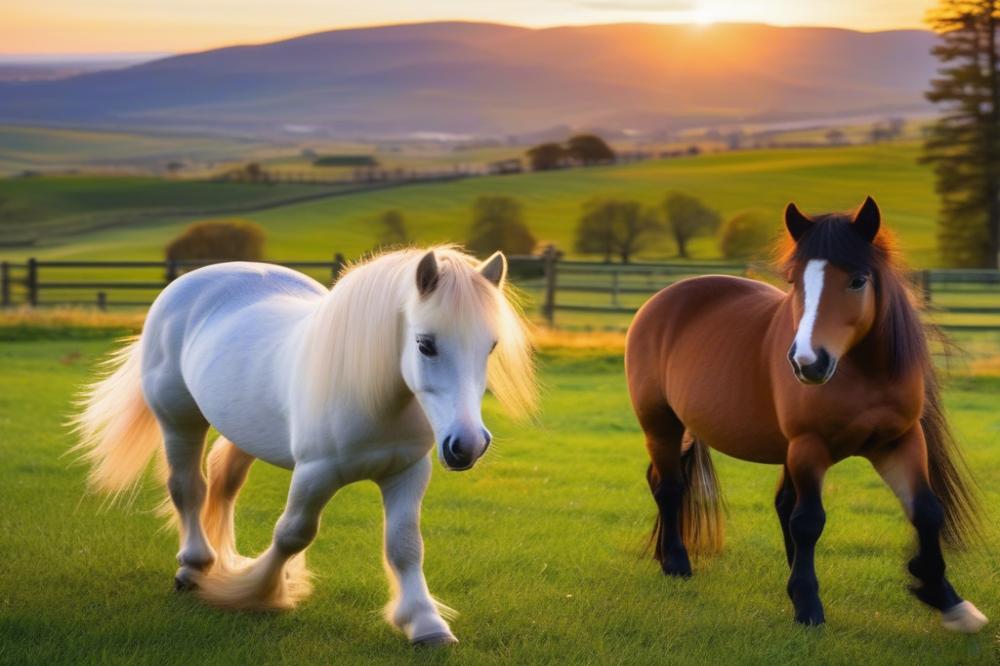
Understanding miniature horse genetics is crucial for any breeder. This knowledge can help avoid many problems that may arise when breeding. Genetic traits are passed down from parent to offspring. Knowing how these traits work will enhance breeding practices significantly.
Common Genetic Disorders in Miniature Horses
Miniature horses are prone to certain genetic disorders. One example is dwarfism, which can significantly affect a horse’s health. Another condition is “roaring,” which impacts breathing. Hip dysplasia is also a risk, leading to mobility issues. Recognizing these potential disorders is important for responsible breeding.
Selective Breeding Practices
Selective breeding is a practice that can help avoid genetic issues. Choosing horses with no history of genetic disorders is a smart strategy. It is also wise to pair horses with desirable traits to get better offspring. Breeders should always consult genetic testing when possible.
Evaluating Lineage and Breeding for Desired Traits
Lineage evaluation adds another layer of depth to breeding decisions. Horses with strong bloodlines often exhibit superior traits. Breeders must study the ancestry of the horses they plan to mate. Ideally, they should look for genetic diversity, which can lead to healthier offspring.
When selecting breeding pairs, consider both physical and behavioral traits. Successful pairs should complement each other. Traits like temperament and conformation can greatly impact the outcome of the foals. Maintaining detailed records will help track the traits of future generations.
Health Challenges
Common Health Issues in Miniature Horses
Miniature horses face specific health concerns. They tend to have issues with their joints and bones. Conditions like laminitis are known to occur frequently. These small equines often experience dental problems due to their compact mouths. Obesity can also be a significant issue, leading to other health complications. Their size makes them prone to certain genetic disorders as well. For instance, heart problems and eye issues such as cataracts can arise more often than in larger breeds.
Preventative Health Care Strategies
Taking proper care is essential for these horses. A balanced diet plays a crucial role in maintaining health. Providing forage rich in fiber helps with digestion. Limit the intake of sugary treats and grains, especially for horses prone to weight gain. Regular exercise is as important as a healthy diet. Keeping them active not only supports their muscle health but also aids in managing weight. Keeping an eye on their hooves and maintaining proper trimming schedules is vital.
Importance of Regular Veterinary Check-Ups
Routine veterinary visits are key. Setting up annual examinations will help identify any potential issues before they develop. Vaccinations should be kept up to date to prevent diseases. Blood tests may also be necessary for early detection of health problems. The vet can guide on dental care, ensuring that teeth are filed or floated as needed. Regular check-ups provide peace of mind, knowing that your miniature horse is healthy.
Managing Special Health Considerations Unique to Miniature Breeds
Special health considerations must not be overlooked. For example, respiratory issues can develop due to their small lung capacity. Keep their living conditions clean and well-ventilated to avoid complications. Additionally, miniature horses may need more attention to their limbs, as they can suffer from windpuffs or other joint problems more easily. The significance of proper weight management cannot be overstated. Monitoring their diet closely helps prevent the onset of related health conditions. Focusing on these aspects helps maintain their overall well-being.
Nutrition
Nutritional Needs of Pregnant Mares and Growing Foals
Providing the right nutrition for pregnant mares is essential for their health and the health of their foals. During pregnancy, mares require increased calories and certain nutrients. Protein is crucial for fetal development, along with vitamins and minerals. Follic acid, calcium, and phosphorus levels should all be monitored closely. After foaling, mares need to recover quickly. This means continuing a balanced diet to support lactation.
Growing foals have unique nutritional needs as well. Young horses require a diet high in calories, proteins, and essential nutrients. Proper nutrition helps support bone and muscle growth during their first year. Regular feeding of quality hay and specially formulated grain is vital. Foals typically start nibbling on solid food at around two months but still need their mother’s milk for a good balance of nutrients.
Formulating Balanced Diets for Miniature Horses
Creating balanced diets for miniature horses involves careful planning. Start with high-quality forage, which is vital for all horses. Hay should be free from mold and dust, and its quality greatly impacts health. Grain can be included, but it must be appropriate for their size and activity level. Miniatures don’t require as much grain as standard horses.
When planning diets, consider individual horses. Each horse is different. Age, weight, and activity level must be taken into account. Consulting with a veterinarian or equine nutritionist can aid in this process. They can help tailor a feeding plan that meets the specific needs of each horse.
Supplementation and Feeding Advice
Supplementation can be beneficial, but it is essential not to overdo it. Many horses receive adequate nutrition from their diet alone. Vitamin and mineral supplements might be needed for those with special requirements. For example, if soil lacks certain minerals, they might need that extra boost.
Monitoring body condition is also important. Regular check-ups will help assess health status. Overweight miniature horses can face more health issues. Adjustments to their diet may be necessary if they gain too much weight. Portion control is important, and feeding small amounts at regular intervals helps maintain a healthy weight.
Impact of Nutrition on Growth and Development
Nutrition plays a fundamental role in the growth and development of miniature horses. A balanced diet lays the groundwork for strong bones and muscles. Poor nutrition may lead to developmental issues. Stunted growth, weak limbs, and overall health problems can occur.
During the critical growth phases, adequate protein intake influences muscle and tissue development significantly. Vitamins and minerals also help train the horse’s body for robust function. Pay attention to hydration as well. Clean, fresh water should always be available, especially during hot weather or after physical activity.
Healthy nutrition impacts not only growth but behavior as well. Horses that receive proper nourishment tend to be more energetic and alert. Nutrition can affect mood and temperament, which are crucial traits in breeding. Ensuring foals grow healthy starts with understanding their nutritional requirements.
Space Requirements
Assessing land and space for miniature horses
When starting any breeding operation, it is critical to evaluate the amount of land you have. Miniature horses require ample space to roam, graze, and live comfortably. Ideally, each horse should have at least one acre of land. More space leads to happier, healthier animals. Look for areas that are free from hazards, such as sharp objects or deep ditches. It is also important to consider soil quality, as good drainage will keep the horses dry and prevent health issues.
Ideal living conditions and shelter needs
Shelter is a vital component of any horse operation. Miniature horses need a safe place to escape harsh weather conditions. A simple barn or shed can provide adequate protection. Stalls should be well-ventilated and spacious. Horses should be able to lie down without feeling cramped. Bedding material is also necessary to keep them comfortable. Straw or wood shavings work well for this purpose. Regular cleaning of the shelter is essential to maintain a healthy environment.
Understanding exercise needs and pasturing options
Physical activity is crucial for miniature horses. Regular exercise keeps them fit and reduces stress. You can provide exercise through pasture time or structured exercise sessions. Paddocks can offer a great option for limited land. During turnout time, horses can stretch their legs and interact with their environment. However, make sure pastures have adequate grass and clean water. Rotating pastures can help maintain grass quality and prevent overgrazing.
Managing space efficiently for breeding operations
Effective space management can enhance your breeding success. Zoning your land can help organize areas designated for various activities. Separate areas for breeding, training, and living quarters may be beneficial. This separation can reduce stress on the horses and improve overall herd management. Creating a layout that maximizes safety and convenience is essential. Ensure that fencing is secure to keep horses from straying and to protect them from potential threats. Regularly inspect fences and gates to maintain security.
Training and Care
Basics of training miniature horses for handling and performance
Training miniature horses requires patience and clear communication. Start with simple commands. Consistency is vital. Use treats to motivate them. Basic skills should include leading, backing up, and standing still. Each horse is different. Some may learn quickly, while others take time. Always reward positive behavior to reinforce learning.
Socialization and behavioral training
Socialization is crucial for these small horses. They should interact with other horses and people. This helps reduce anxiety and promotes calm behavior. Take the time for gentle introductions. Gradually increase their exposure to varied environments. This includes different sounds and sights. Positive experiences will shape their responses. It builds confidence and reduces fearfulness.
Establishing routines for day-to-day care
Daily routines help miniature horses feel secure. Feeding times, grooming, and exercise should be predictable. A set schedule makes them comfortable. Feeding should include balanced nutrition. Fresh water is essential at all times. Grooming is not just about looks; it’s also about health. Regular checks for injuries or abnormalities are important.
Importance of consistent training methods
Using consistent training methods leads to better results. Horses thrive on repetition. Changing techniques can confuse them. Stick to the same commands and cues. This helps them understand what is expected. Keep your tone calm and encouraging. Over time, this builds trust. Trust creates a solid bond between horse and handler.
Foaling
Preparing for the foaling process
Before foaling begins, preparation is essential. First, establish a safe and quiet environment for the mare. Clean and comfortable bedding is important for both the mare and the new foal. Having a foaling kit on hand is a wise choice. This kit should include items like clean towels, scissors, and iodine for disinfecting the umbilical cord. Keeping your veterinarian’s contact information readily available can prevent delays in emergencies.
Signs of impending foaling and monitoring progress
Mares show several signs when they are close to giving birth. Watching for restlessness, frequent lying down, or getting up can signal that foaling may happen soon. Additionally, you might notice the mare’s udder filling with milk. This change can indicate that labor is approaching. Monitoring the mare closely as her due date nears allows for timely intervention if needed. Some owners use cameras to keep an eye on the mare during the night.
Immediate care for the foal post-birth
Once the foal arrives, immediate care is crucial. First, be sure the foal is breathing. You may need to clear any mucus from its nostrils. The mare’s first milk, called colostrum, is vital for the foal’s health. Ensure the foal nurses within the first couple of hours after birth. This initial feeding helps transfer essential antibodies to the newborn. Keeping the foal warm is also necessary. Avoid draughty areas to maintain an optimal temperature.
Recognizing and addressing foaling complications
Sometimes complications can arise during foaling. One common problem is dystocia, which occurs when the foal has trouble engaging in the birth canal. If labor seems prolonged, consult with a veterinarian immediately. Another issue may be retained placenta, where the mare does not expel the afterbirth. This situation can lead to infection and other severe problems. Monitor both the mare and the foal closely for any unusual signs like lack of appetite or abnormal behavior. Quick action can be vital in these scenarios.
Vet Care
Role of Veterinary Care in Breeding Programs
Breeding programs depend heavily on veterinary care. A qualified vet helps monitor the health of both the mare and the stallion. They provide guidance on dietary needs and exercise routines. Regular checkups are vital. These visits can catch any potential issues early on. Proper health management contributes to the successful breeding of miniature horses.
Vaccination and Deworming Schedules
Vaccinations play an essential role in preventing diseases. Miniature horses require specific vaccines to stay healthy. Typically, core vaccines should be administered annually. Deworming is just as important for overall well-being. A deworming schedule based on fecal tests helps to manage parasites. Discuss these schedules with your veterinarian to develop a plan tailored for your horses.
Emergency Care and Knowing When to Call the Vet
Emergencies can happen without warning. Recognizing signs of distress is crucial. Common indicators include loss of appetite, abnormal behavior, or signs of colic. If any of these symptoms arise, do not hesitate to call your vet. Quick action can make a significant difference in outcomes. Being prepared will help in any situation.
Building a Relationship with an Equine Veterinarian
Establishing a good rapport with your equine veterinarian is beneficial. Trust and communication are key elements in this relationship. A veterinarian who knows your horses will provide better care tailored to their needs. Regular visits allow for more open discussions about care and concerns. Make sure to share any specific issues you notice with your miniature horses. This collaboration will enhance the overall care you provide.
Final Thoughts on Breeding Miniature Horses
The journey of breeding miniature horses is filled with both joy and complexity. Understanding the key elements, such as selecting the right pair and monitoring the health of both the mare and foal, is crucial. Each step of the process comes with its own challenges. Many breeders encounter health challenges that require attention and care to navigate. Thus, it is vital to stay informed about common issues that may arise during breeding.
Best practices in responsible breeding should always be a priority. This means making sure that both the horses involved are suitable candidates for breeding. Avoiding overbreeding and ensuring genetic diversity are essential steps to take. By implementing these breeding tips, one can contribute positively to the future of miniature horses.
Ultimately, the experience can be rewarding. There is nothing quite like witnessing a new foal take its first steps or the bond between a mare and her young. However, one must be prepared for the ups and downs that come with this endeavor. Each horse has its distinct personality and traits, adding a layer of unpredictability. This makes breeding not only a challenge but also a delight.
In conclusion, miniatures hold a special place in the hearts of many. Fostering a community that values responsible breeding will help ensure the longevity and health of these wonderful horses for generations to come.

