
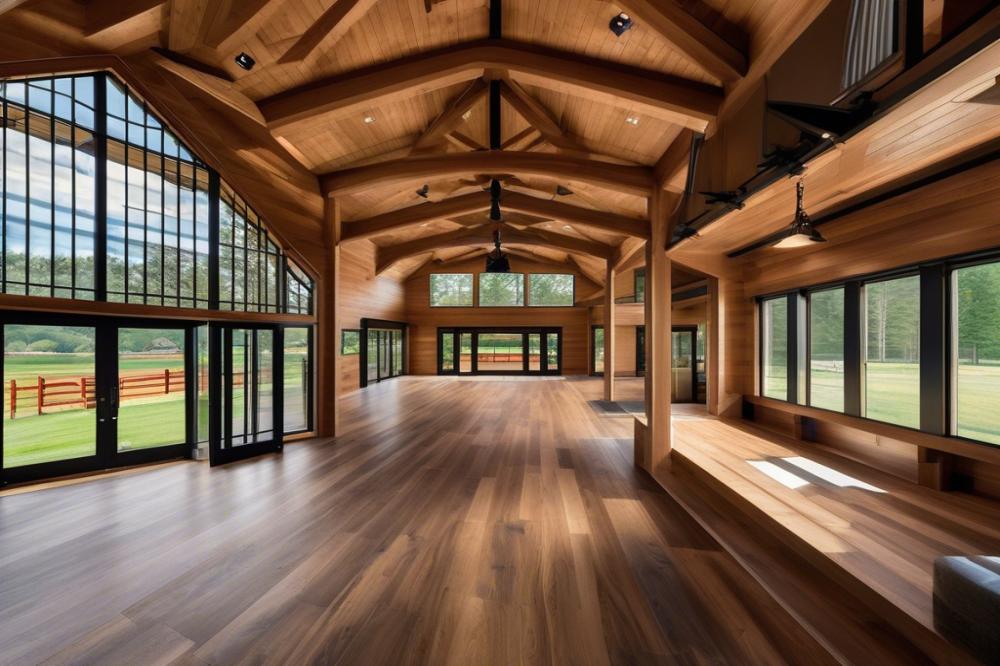
Building the Perfect horse stable: Essentials for Comfort and Security
Owning a horse comes with many responsibilities, and a well-designed horse stable plays a crucial role in this journey. For first-time horse owners, it can be overwhelming to know where to start. A secure and comfortable environment is essential for both horses and their caretakers. Understanding this importance sets the foundation for creating a healthy living space.
A properly constructed stable is more than just a shelter. It is a sanctuary that nurtures the bond between horse and owner. Comfort and security are paramount. Adequate space, proper ventilation, and safe materials all contribute to a horse’s overall well-being. When these factors are prioritized, horse lovers can rest easy knowing their equine companions are happy and safe.
horse care extends beyond protection from the elements. The right environment can also influence a horse’s health. Proper drainage, clean bedding, and adequate lighting all play roles in preventing health issues. Each element should work together to promote a sense of stable comfort. When taking care of a horse, these considerations must not be overlooked.
In summary, a great horse stable fosters a harmonious relationship between the owner and the horse. With the right essentials, newcomers to equine care can feel more equipped to tackle the challenges ahead. Establishing a secure and comfortable area leads to happier horses and more fulfilling ownership experiences.
Creating a Secure Environment
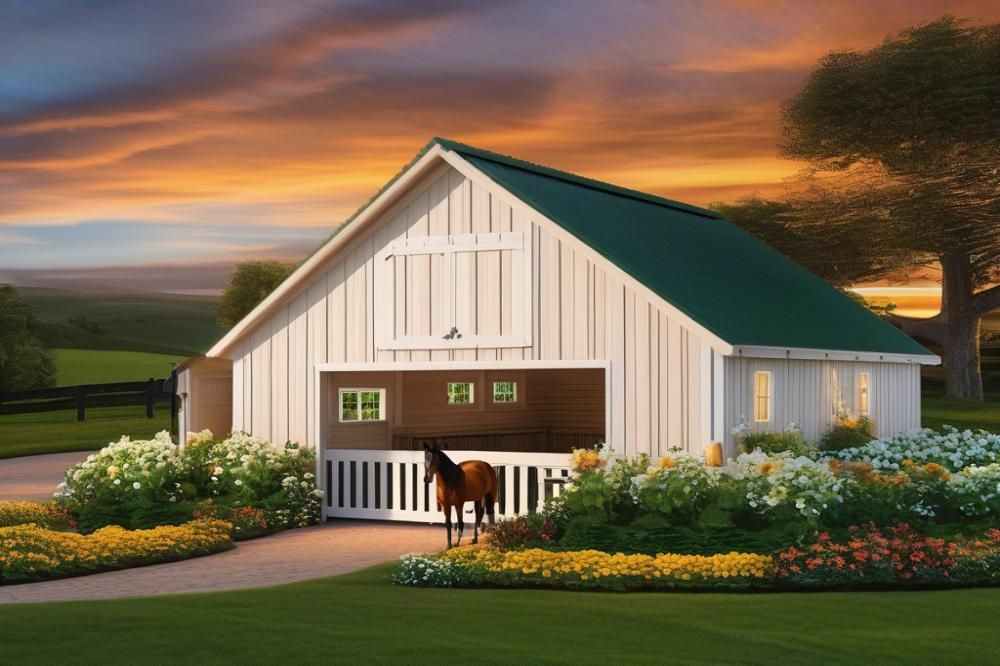
Equine security plays a vital role in ensuring the safety of horses. When considering a stable, it’s essential to think about where it will be located. Horses can be frightened easily, particularly by loud noises or nearby traffic. A calm area away from busy roads is ideal.
Fencing is another important aspect of creating a protective environment. Various options are available depending on your needs and budget. Wooden fences provide a strong barrier, while vinyl and electric options offer flexibility. Each type has its own benefits in keeping predators and unwanted visitors away.
Stable doors should be equipped with secure locking systems. A well-constructed lock deters theft and unauthorized access. Consider using bolts or sliding locks as additional safety measures. It’s wise to check locks regularly to ensure they work properly.
Lighting around the stable can also enhance safety. Proper illumination discourages intruders and helps provide a sense of security. Motion sensor lights are particularly effective, as they activate when someone approaches.
Landscaping can add to the secure setting. Using thorny bushes as natural barriers can deter horses from wandering too close to the fence line. Paths should be clear to help stakeholders easily see and access the stable.
Regular inspections of the entire area contribute to long-term security. Look for any potential hazards and correct them promptly. Staying vigilant goes a long way in maintaining a secure and comfortable environment for horses.
Stable Design and Layout

Effective stable design is essential for keeping horses healthy and happy. Several key elements contribute to success. Natural light is important, as it helps create a welcoming atmosphere. Well-ventilated areas help reduce humidity and odors. The use of quality materials can also make a difference in durability and safety.
Space requirements play a major role in how horses feel in their environment. Each horse should have enough room to move comfortably. Adequate space allows them to stretch, roll, and even play. Experts recommend at least 12×12 feet for standard stalls. Larger breeds may need even more room to ensure comfort.
Feeding areas are another critical aspect of design. Placing feeding zones close to the stalls makes daily care much easier. This setup also minimizes stress for both horses and caretakers. It may be helpful to use durable troughs that can withstand regular use. Keeping the feeding area clean is vital to maintain a healthy environment.
When considering the layout, think about individual stalls versus communal spaces. Closed stalls offer privacy and security, while communal areas can encourage social interaction. Mixing both options might fulfill different needs within a single facility. Individual stalls provide a sense of safety for some horses, especially when they are new or anxious.
Organizing the stable can be easier with a thoughtful layout. Wide aisles can facilitate moving between different areas. Installing rubber mats can improve traction and comfort for the horses. By planning appropriately, caretakers can create a comfortable and efficient space for their equine companions.
Bedding and Flooring Options
Overview of Bedding Materials for Horse Comfort
Bedding plays a crucial role in ensuring a horse’s comfort. Various materials can be used, each offering different benefits. Straw is a traditional choice. It is absorbent and provides a soft surface. Shavings are also popular. They are clean and help control odor. Sawdust can be economical, but it may not be as comfortable. Some owners choose pelleted bedding. This option is highly absorbent and reduces dust. Choosing the right bedding helps keep a horse happy and healthy.
Evaluating Flooring Options for Safety and Hygiene
Flooring in a stable should prioritize safety and hygiene. The right material can prevent injuries and keep the area clean. Horses spend a lot of time on their feet, so comfort is key. Smooth surfaces can lead to slips and falls. It’s vital to consider how easy it is to clean and maintain the flooring. A hygienic environment supports the overall well-being of horses. Therefore, selecting the right flooring is essential.
Pros and Cons of Different Flooring Types
Rubber mats are a popular choice for many owners. These mats provide cushioning, which helps in reducing joint strain. They are easy to clean, but some may find them costly. Dirt floors are traditional and economical. However, they require regular maintenance and can become muddy. Concrete is another option. It’s durable and easy to clean. On the downside, concrete can be hard and unforgiving. Each type has its own set of advantages and disadvantages. Careful consideration will lead to the best choice for your needs.
Maintaining Proper Drainage to Prevent Water Accumulation
Proper drainage is vital in any stable. Water accumulation can lead to a range of problems. It creates muddy conditions that can be uncomfortable for horses. Standing water also attracts pests and can lead to health issues. When choosing flooring, think about how water will flow away. Drainage systems should be designed to keep the area dry. Regular inspections and maintenance will help keep the stable in good condition. Keeping water at bay is crucial for comfort and cleanliness.
Ventilation and Air Quality
Good ventilation is essential for the health of horses. Proper airflow can prevent respiratory problems and reduce the risk of disease. Horses inhale dust, ammonia, and mold from their environment. These substances can lead to serious health issues if not managed well. Keeping the air fresh helps your horse feel comfortable and happy.
Strategies for Ensuring Good Airflow
Design is key when setting up a stable. Large windows can provide natural light and airflow. Doors should open outwards to allow wind to pass through. Positioning vents high on the walls or roof promotes the escape of warm, stale air. Creating cross-ventilation by aligning windows and doors across from each other is an effective method. This allows fresh air to come in while old air pushes out.
Tips for Avoiding Mold and Respiratory Issues
Mold thrives in damp environments. Regularly clean the stable to remove waste and damp bedding. Keeping bedding dry is crucial. Use absorbent materials that minimize moisture. Adding fans can help circulate air, especially in humid seasons. Check hay and feed for mold before giving it to your horse. Good habits can prevent many respiratory issues.
Natural vs. Mechanical Ventilation Options
Natural ventilation uses wind and temperature differences while mechanical options include fans or vents powered by electricity. Each has its benefits. Natural airflow is low-cost and eco-friendly but may depend on the weather. Mechanical systems provide consistent airflow and can be adjusted to suit needs. When considering which option to choose, think about both your location and budget.
Water Supply and Feeding Areas
A reliable water supply system is crucial for keeping horses healthy. Access to fresh water must be constant, especially during hot weather. Horses can drink anywhere from 5 to 10 gallons a day, so it’s important to plan accordingly.
Best practices for ensuring clean water include regularly checking and cleaning troughs. Automatic waterers can be a great investment. They help maintain a consistent water level and keep it fresh. A regular maintenance schedule will keep these systems functioning well.
Feeding areas should be designed with convenience in mind. Placing feed bins close to where the horses are kept saves time. Building separate zones for hay and grain can also help prevent contamination. Having enough space allows horses to eat comfortably and reduces stress.
Managing feed storage is just as important as the feeding process itself. Choose airtight containers to keep feed fresh and protect it from pests. Labeling containers clearly helps in tracking different types of feed. Maintaining an organized feed room aids in quick access and promotes safe handling.
Horses thrive when their needs are met with care. Fresh water, easy feeding, and safe storage are the backbone of a good care routine. A well-planned setup can make daily tasks more manageable and create a healthy environment for these magnificent animals.
Maintaining Your Horse Stable
Regular maintenance routines are vital for keeping your stable safe and comfortable. Checking for any signs of wear helps prevent larger issues down the line. Look at the fences, doors, and flooring. These components endure a lot of use and require your attention. Small repairs can make a big difference in safety.
Seasonal changes can impact how you care for your space. In winter, make sure the water supply doesn’t freeze. Insulating pipes can help. In summer, check for adequate ventilation. This factor is crucial for maintaining a cool atmosphere and preventing heat stress in your horse. Adjustments might be necessary depending on the season.
Keeping the environment tidy greatly affects your animal’s health. Regular sweeping and removing waste are essential tasks. Unkempt spaces can lead to health issues for the horses. They might attract pests or develop mold, both of which are harmful. An organized area not only boosts cleanliness but also makes daily chores easier.
Evaluate the condition of feed and grain storage too. Rodents are often attracted to food sources that aren’t secured properly. Wooden storage bins should be inspected for damage. If you see any signs of gnawing or rot, address these issues quickly. A secure environment keeps both your horses and supplies safe.
Health checks should extend to the stalls themselves. Assess bedding for cleanliness often. Dirty bedding can lead to respiratory issues. You want to create a space where your horses feel comfortable and safe. Regularly changing bedding helps maintain hygiene. It also prevents unwanted odors and promotes overall well-being.
Emphasis on regular maintenance routines lays the groundwork for a safe environment. Nothing beats the peace of mind that comes with knowing you’re providing the best for your horses. Keep proactive in your care, and your horses will thank you with their happiness and health.
Final Thoughts on Building a Comfortable Haven
Recapping the essentials for constructing an ideal horse stable revolves around careful planning and attention to detail. Prioritizing factors like ventilation, safety, and comfort is essential. A well-designed environment allows horses to thrive. Features such as spacious stalls, proper drainage, and easy access to necessities promote their well-being. equine security cannot be overlooked either, as it protects your beloved animals from potential threats.
First-time horse owners should remember the importance of creating a sanctuary that fosters a sense of peace and safety. Their horse’s happiness is directly linked to the space they inhabit. Owners should invest time and resources into developing a comfortable area that encourages healthy behaviors. It is about more than just shelter; it is about creating a nurturing atmosphere that enhances horse care.
Reflecting on the value of a well-organized stable reveals significant benefits. Happy horses lead to satisfied owners. The relationship you build with your horse flourishes in a supportive environment. Each thoughtful decision contributes to the overall harmony between horse and owner. Ultimately, a well-planned stable is an investment in both animal welfare and owner happiness. The effort put into this project will yield rewarding results for years to come.

