

Daily Feed and Watering Routines for a Healthy, Happy Horse
Understanding the importance of daily feed and watering routines is essential for first-time horse owners. Proper management involves ensuring your equine companion receives adequate nutrition and hydration. This practice is vital for maintaining optimal health and well-being for your horse.
Every horse has unique dietary needs based on factors like age, weight, and activity level. A well-planned feeding schedule helps to meet these requirements. Fresh, clean water should always be accessible, as hydration plays a critical role in digestion and overall vitality.
An optimal routine not only supports physical health but also contributes to emotional stability. Horses that receive consistent care tend to be happier and more engaged. Taking the time daily to observe feeding habits can reveal valuable insights about your horse’s health.
Being mindful of your horse’s preferences can make feeding an enjoyable experience for both of you. Moreover, understanding the signs of hunger and thriftiness in horses helps deepen your bond. Developing a routine allows you to enjoy the simplest joys of horse ownership.
In conclusion, maintaining a consistent feeding and watering regimen is crucial. It fosters health and happiness in your equine partner. Committing to horse care means prioritizing these routines and nurturing your horse’s needs.
Daily Feeding Routines for a Healthy, Happy Horse

Providing a balanced equine diet is essential for a horse’s health. Forage and grain make up the core of any horse’s meal plan. Forage includes hay and pasture, while grain can offer additional energy and nutrients. Together, they meet the nutritional needs of equines, promoting overall well-being.
The Role of Hay and Pasture Management
Hay is a primary food source that supplies fiber, which is crucial for digestion. Different types of hay, such as timothy, alfalfa, or orchard grass, vary in their nutrient content. Regular pasture management also plays a vital role in maintaining a horse’s diet. Rotating grazing areas helps prevent overgrazing and reduces the risk of parasites. Horses thrive in pastures rich in fresh grass and clover, providing further essential nutrients.
Nutritional Needs Based on Age and Activity
Horses have specific dietary needs depending on various factors. Age is a significant consideration. Young horses require more protein to support growth, while older horses may need easier-to-digest forage. Weight also influences how much and what type of feed a horse should receive. Heavier horses may benefit from a controlled diet to avoid obesity. Activity level is another key factor. Active horses, such as those in training, often require more energy and calories than those that are less active. Adjusting their diets according to these variables helps maintain optimal health.
water intake: Ensuring Proper Hydration
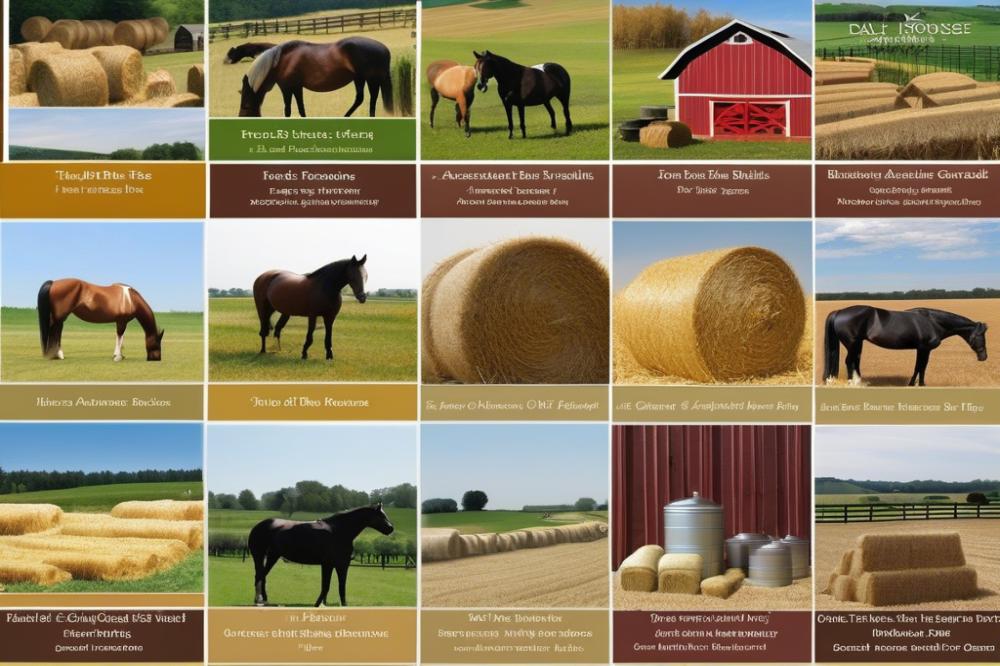
Hydration plays a crucial role in a horse’s overall health. A well-hydrated horse is essential for proper digestion, circulation, and even temperature regulation. Dehydration can lead to significant health issues, including colic and kidney problems.
Generally, a horse requires about 5 to 10 gallons of water per day, but needs can differ. Factors like exercise intensity and climate conditions are influential. For instance, working horses or those in hot weather may need significantly more. Always monitor their water intake, especially after strenuous activity.
Providing clean water is vital. Stale or dirty water can deter horses from drinking, leading to dehydration. Check water troughs and buckets regularly for cleanliness. Additionally, horses often prefer water at a comfortable temperature, typically between 45°F and 65°F. In colder months, heated buckets can be beneficial to prevent freezing.
Moreover, placing multiple water sources around the barn and pasture can encourage drinking. Horses tend to drink more when they have easy access. Consider the layout of your facilities to maximize convenience. If horses are reluctant to drink, try offering flavored water or electrolyte solutions, especially during hot days or after heavy exercise.
Keeping a routine is also important. Horses thrive with consistency, and regular feeding and watering schedules help promote steady hydration. Be attentive to any changes in behavior, as they might indicate discomfort or hydration issues.
Daily Routine: Establishing Consistency
Creating a structured feeding schedule offers numerous benefits for horses. Horses thrive on routine, much like people do. A consistent feeding time helps to regulate their digestive systems. When horses know when to expect food, it reduces anxiety. This predictability can lead to a calmer horse overall.
A suggested daily schedule might look like this: Begin the day with feeding at 7:00 AM. This should be followed by a fresh supply of water. A midday check at 12:00 PM ensures there is still enough water available. Another feeding at 5:00 PM helps maintain energy levels. Finally, offer water again at this time and a quick check before bedtime around 9:00 PM. Following this pattern can create a sense of security.
Monitoring changes in a horse’s appetite is crucial. Loss of interest in food can be an early sign of health issues. Keep an eye on their water intake as well. If a horse drinks less than usual, it may be a signal of dehydration or illness. Regularly observing these behaviors helps catch potential problems before they escalate. Maintaining consistency in feeding and watering not only supports health but also fosters a bond between the horse and the caretaker.
Understanding Nutritional Supplements
Nutritional supplements can play an important role in the diet of horses. Many owners consider them to boost health and performance. However, it’s vital to understand their purpose before including them in a feeding routine.
Some common supplements include vitamins, minerals, amino acids, and probiotics. Vitamins like E and A promote good immune function and vision. On the other hand, minerals such as calcium and phosphorus maintain healthy bones and teeth. Amino acids help build muscle and support recovery after exercise. Probiotics assist with digestion, which can improve overall well-being.
Every horse is different. They may require varying levels of these nutrients based on their age, work level, and health condition. Supplementation can become important for older horses or those with specific nutritional gaps. Some supplements are specifically tailored for athletic performance, including joint support products that maintain mobility.
Despite these benefits, over-supplementation can lead to health issues. Too much of certain vitamins or minerals can cause toxicity or imbalances. It’s easy to think that more is better, but this is often not the case.
Before adding any supplement to a horse’s diet, consulting a veterinarian is wise. An equine nutritionist can also provide valuable insights tailored to individual needs. They can help identify any deficiencies and recommend suitable products, ensuring that a horse receives only what is necessary.
By approaching supplementation carefully, owners can make informed choices for their horse’s health. It’s essential to strike a balance and remember that good nutrition starts with a solid base diet.
Grooming and Maintenance: An Essential Part of Routine
Grooming a horse goes far beyond simply making it look nice. Regular grooming plays a crucial role in maintaining health and happiness. The process of brushing helps distribute natural oils in the coat, promoting a shiny appearance. Additionally, grooming allows for checking the horse’s body for any unusual lumps, cuts, or signs of discomfort. This close contact can strengthen the bond between horse and handler, providing emotional well-being.
Hydration and digestion are also linked to grooming. When horses feel comfortable and cared for, it can lead to reduced stress levels. A calm horse is more likely to drink water adequately. Hydration is crucial for digestion. Without proper water intake, a horse may experience colic, a painful digestive issue. Therefore, a relaxed horse will likely stay hydrated and maintain a healthy digestive system.
Incorporating grooming into the daily routine should not be an afterthought. Set aside specific times for grooming alongside feeding and watering. This practice can create a structured schedule for both you and your horse. Try to groom right before or after meals, ensuring that your horse remains relaxed during these activities. Short grooming sessions are often effective. This approach can make care feel less overwhelming and more manageable. Tools like curry combs and soft brushes can make the process quicker while still being thorough.
Additionally, make note of your horse’s preferred grooming spots. Some may enjoy being rubbed on the neck, while others may prefer their back. Recognizing these preferences can create a more enjoyable experience for both parties. Involving children in the grooming process can also help instill a sense of responsibility while building trust within the relationship. Overall, each grooming session serves multiple purposes and should be embraced as a vital component of daily care.
Final Thoughts on Feeding, Watering, and Grooming
Establishing a proper routine for feeding, watering, and grooming is crucial for keeping your horse healthy and happy. A balanced diet full of high-quality hay and grain provides essential nutrition. Fresh water is equally important. Horses need access to clean water daily to maintain optimal hydration. Monitoring your horse’s water intake will help prevent dehydration, especially in hot weather or after exercise.
Grooming goes beyond just keeping your horse looking good. Regular brushing helps maintain coat health and allows for skin checks. This practice also strengthens the bond between you and your horse, ensuring they feel cared for. Observing your horse closely will reveal any changes in behavior or health that may need attention.
Each horse is unique, with individual preferences and needs. First-time owners should be attentive to their animal’s habits. It’s wise to adapt routines based on what works best for your horse. Some may prefer a specific feeding schedule or require additional support during certain seasons.
Consistency in these daily routines plays a vital role in overall well-being. A happy horse is typically a healthy horse, thriving with good care and attention. Your dedication to their needs not only enriches their lives but also creates a rewarding experience for you as an owner. Remember, a little observation goes a long way. With time, you’ll learn what makes your horse tick, leading to a fulfilling partnership between you both.

