
Introduction
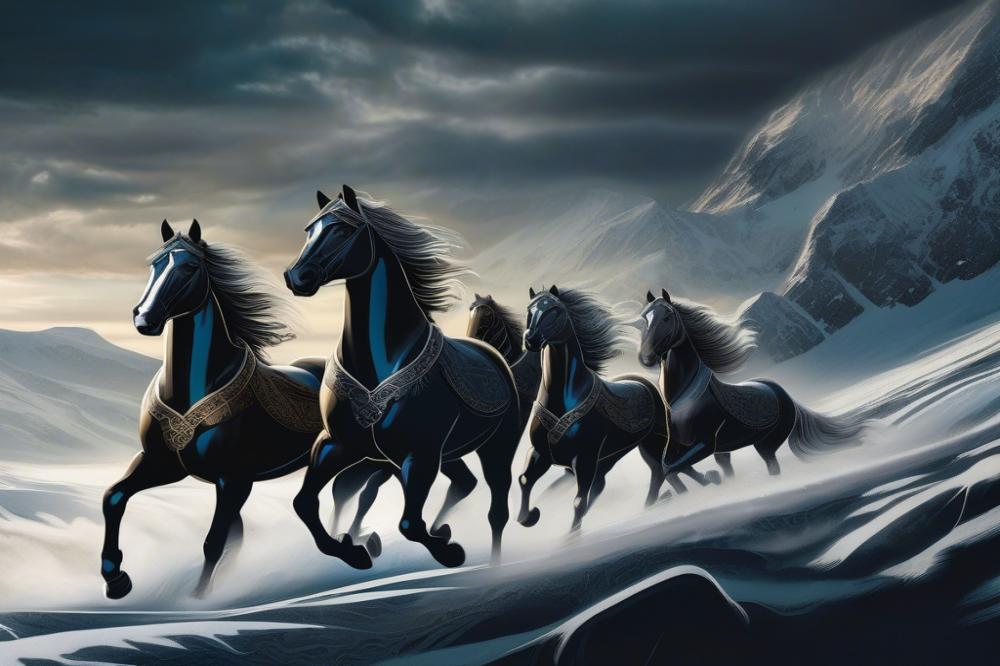
In various cultures across the globe, horses hold a prominent place. They symbolize strength, nobility, and freedom. Many societies have celebrated these magnificent creatures, giving them roles that range from companions to powerful mythological figures. This reverence can be seen in art, literature, and oral traditions.
Exploring the role of these majestic animals in Scandinavian mythology reveals fascinating insights. Norse mythology showcases not just the physical prowess of horses but also their deep spiritual significance. Myths encapsulate complex relationships between humans and these animals, reflecting the values and beliefs of the time.
A closer look at Horses in Scandinavian Mythology shows how they represent both power and spirituality. They serve as more than mere beasts of burden, embodying connections to the divine and the natural world. Understanding this symbolism enriches our appreciation of these enchanting stories.
Horses in Scandinavian Mythology
Cultural context of ancient Scandinavia
Ancient Scandinavian culture placed great importance on horses. These animals were not just utilitarian; they held a sacred status. Myths often portrayed horses as vehicles for gods and heroes. The connection between humans and horses symbolized companionship and loyalty. In long-ago times, a horse could signify one’s strength and power. This bond goes beyond mere practicality; it speaks to a deep spiritual relationship.
Role of horses as companions and symbols of status
Horses served as essential companions to both common people and nobility. Different breeds were sought after for various purposes, from war to travel. Owning a majestic horse brought pride and respect. Legends frequently highlight the bond between humans and their steeds. Warriors, in particular, relied on horses in battles, showing their importance in warfare. These magnificent creatures were often highlighted in rituals to honor deities.
Influence of horses on social and economic structures
The presence of horses directly impacted social hierarchy. Wealthy individuals naturally had access to better horses. This created a clear distinction between classes. In the Viking Age, horses influenced trade and transportation, connecting communities. They revolutionized agriculture as well, increasing productivity on farms. Settlement patterns often depended on the suitability of land for grazing. Overall, horses were central to the daily lives of ancient Scandinavians. Their roles extended beyond the personal to the societal and economic realms.
Odin and His Steed Sleipnir
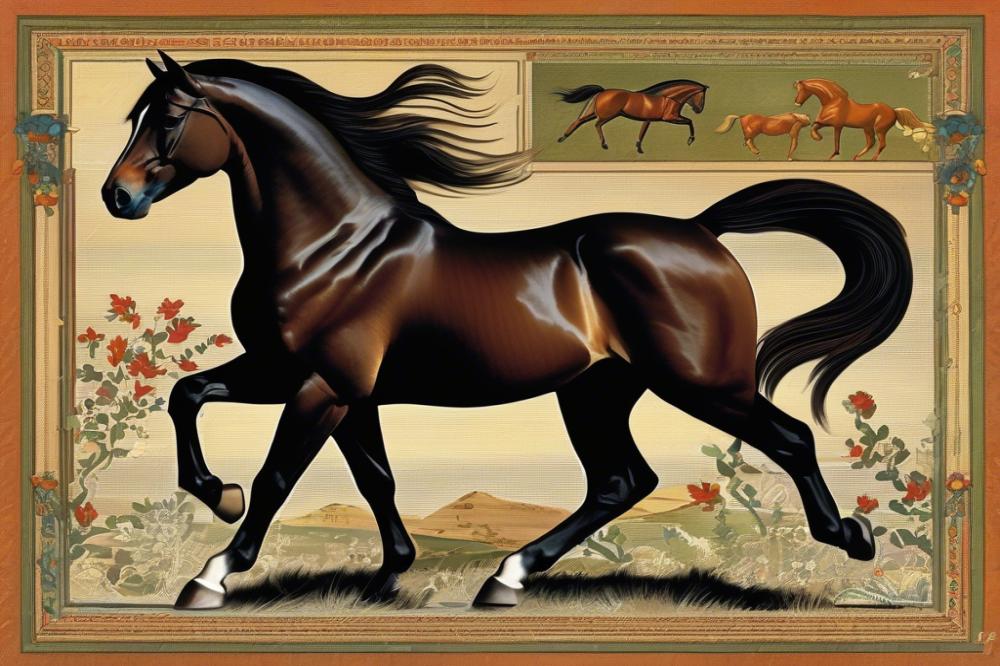
Odin, the chief god in Norse mythology, holds a profound connection to horses. He is often linked with wisdom and war, but his relationship with the equine world runs much deeper. Horses symbolize strength, travel, and even death in Viking culture. They were vital for both common people and gods.
Sleipnir’s Unique Traits
Sleipnir, Odin’s steed, is not just any horse. This magnificent creature has eight legs, which makes him a significant figure in myth. Sleipnir can traverse both land and the spirit world, a trait that highlights his extraordinary nature. His eight legs symbolize swiftness and versatility. Pilots of thought often image him galloping between the realms of the living and the dead.
The Significance of Sleipnir
Sleipnir holds immense importance in Viking beliefs and rituals. He is viewed as a bridge between different domains. His abilities are celebrated in various tales, showcasing him as a powerful companion to Odin. In this way, Sleipnir embodies the intertwined nature of life and death in Norse thought. Additionally, the horse features prominently in legends, where he carries Odin into battle and guides him through the afterlife. Rituals often included offerings and ceremonies dedicated to him, reflecting his pivotal role in their cosmology.
The Role of Horses in Norse Equestrian Culture
In ancient Scandinavia, horses played a fundamental role in daily life. They were more than just beasts of burden; they were companions, warriors, and symbols. Over time, different breeds evolved to meet the needs of Norse people. The Icelandic horse, known for its strength and sure-footedness, reflects this evolution.
Riding techniques also developed significantly. Warriors learned to ride swiftly into battles, using their steeds for tactical advantage. Their skills on horseback were not only vital for warfare, but they also aided in exploration. Vikings traveled long distances across treacherous terrains. Horses enabled these journeys, providing speed and endurance during their adventures.
In warfare, the importance of horses cannot be overstated. Mounted troops had a clear edge, allowing them to strike quickly and retreat just as fast. This advantage often determined the outcomes of conflicts. Each rider and horse unit was trained to work together, creating a bond that was essential in battle.
Beyond warfare, horses symbolized physical strength and nobility. They represented status in society. Owning a fine horse meant more than just having a means of transportation; it was a sign of wealth and honor. Mythology often reflects this belief, highlighting the connection between horses and valor.
The adoration of horses in this culture is evident in various sagas and poems. They are often depicted as creatures of beauty and power. Therefore, horses transcended their practical roles, shaping the identity of Norse society.
Mythological Beasts: Fenrir and Other Equine Entities
In Norse mythology, Fenrir is a fascinating figure. Unlike traditional horses, he represents chaos and destruction. This enormous wolf was prophesied to play a significant role during Ragnarök, the end of the world. His symbolism starkly contrasts that of horses, which often signify loyalty and companionship.
Many mythological creatures exist in the Norse pantheon alongside horses. Sleipnir, for example, is Odin’s eight-legged steed. Born from the trickster god Loki, he embodies both agility and power. Sleipnir connects the realms of gods and other beings. His presence illustrates how equine creatures bridge different worlds.
Additionally, the tale of Hrimthurs, a frost giant, features a horse named Svartálfar. This horse was crucial in the building of the walls of Asgard. It shows how horses often played roles beyond mere companions; they are also involved in epic tales and significant tasks.
Horses in Scandinavian mythology reveal a dual nature. On one hand, they serve as trusted allies, aiding heroes in their quests. On the other hand, they can symbolize ominous events or foreboding futures. This duality adds depth to their representation in the stories.
Moreover, the relationship between humans and horses indicates respect and reverence. They are seen as vital beings within many mythological stories. As companions, they help individuals navigate life’s challenges. Yet, they also remind us of the potential chaos that lurks beneath the surface. The balance of these relationships is essential in understanding their significance in Norse lore.
Horse Symbolism and Spiritual Significance
In Scandinavian beliefs, horses possess deep spiritual meanings. They symbolize strength, loyalty, and freedom. Often, these majestic animals were seen as guides between worlds. Their role in mythology goes beyond mere transportation. Horses were revered in rituals and as sacred creatures.
Ceremonial Uses of Horses in Rites and Traditions
Ceremonial practices utilized horses in various ways. For instance, during important events, riders would showcase their best steeds. Such displays highlighted status and bravery. The act of offering horses as sacrifices was common. This was meant to honor the gods and seek their favor. Dedicating a horse in ceremonies showed devotion and respect.
Connections Between Horses and the Afterlife in Norse Mythology
Norse mythology presents fascinating links between horses and the afterlife. The mighty steed Sleipnir, ridden by Odin, connects the living with the dead. It was believed that he could traverse different realms seamlessly. Additionally, horses were often buried with warriors. This practice aimed to provide companionship in the afterlife. Many tales suggest that horses help souls transition to their final resting places.
These complex associations reveal the significance of horses in ancient practices. Their presence in both life and death highlights their sacred status. Various myths and rituals showcase the strong bond between humans and these animals.
Final Thoughts on Horses in Mythology and Tradition
Summary of the Revered Status of Horses
Horses held a significant place in Scandinavian mythology. They were seen as more than just animals; they embodied strength, loyalty, and mystical power. Many deities had their own sacred steeds, highlighting their importance in the lives of ancient people. Sleipnir, Odin’s eight-legged horse, is a prime example of how deeply horses were woven into the fabric of divine narratives. This legendary creature symbolized not just speed, but also a connection between realms, further amplifying the horse’s revered status in this rich tradition.
Reflection on Modern Culture
Today, horses continue to resonate within modern culture. Their legacy can be found in literature, film, and even sport. Many people remain fascinated by their elegance and strength. Equestrian sports are popular worldwide, revealing a connection to those ancient stories. Moreover, representations of horses in art and media often draw upon the tales from mythology. These creatures inspire admiration and respect, echoing their storied past in society.
Preserving Equestrian Traditions
The importance of preserving equestrian traditions cannot be understated. Understanding the historical significance of horses can enrich our appreciation of them. In addition, it fosters respect for the heritage tied to these majestic animals. Each story and tradition adds depth to our relationship with horses today. As society evolves, bridging the past with the present helps maintain the significance of these bonds. It allows us to honor the legacy of our ancestors who revered these magnificent creatures in such profound ways. By celebrating traditions and recognizing their origins, we can ensure that the spirit of the horse continues to thrive in our world, much like the myths from Asgard that shaped our understanding of them.

