
How to Transition from walk to trot on a nervous Morgan horse
Horseback riding involves more than just settling in the saddle. Riders often engage in transitioning horse gaits, which is essential for smooth and effective communication with their steed. Proper transitions can enhance a horse’s performance and promote harmony between horse and rider.
Understanding equine behavior is crucial in this process. Horses, like people, have unique personalities and sensitivities. Knowing how a horse reacts in different situations helps riders manage challenges effectively. This is especially true when working with a nervous Morgan horse. Their spirited nature can make transitions a bit trickier.
With a calm and patient approach, riders can guide their horses through changes in speed and gait. Establishing trust is foundational. A nervous horse may feel anxious with sudden movements or loud noises. Thus, creating a serene environment can lead to more successful transitions.
In summary, focusing on the horse’s comfort level and understanding its behavior can significantly aid in mastering the walk to trot transition. Success hinges on building a solid bond, patience, and consistent practice. Riders who take the time to learn about their horse’s unique traits ultimately foster a deeper connection and improve their riding experience.
Understanding Nervous Horses
Nervous horses often display a range of characteristics that set them apart from their more relaxed counterparts. These animals may exhibit behaviors such as excessive movement, quick head lifts, or wide eyes. Fearfulness can manifest in many forms, from simple tension to outright panic. Such traits can be linked to their personalities or experiences early in life.
Characteristics of Nervous Horses
One common feature is heightened sensitivity. Horses that are anxious typically react strongly to their environment. A sudden noise or unexpected movement might cause them to bolt or shy away. They often require extra patience from their handlers. Many nervous Morgan horses may also resist moving forward or may hesitate in new situations, making it hard for trainers to work with them effectively.
Common Fears and Triggers in Morgan Horses
Morgans, like many breeds, can develop specific fears. One prevalent trigger might be unfamiliar sights or sounds, such as road traffic or large machinery. Changes in routine can also lead to anxiety. Even new people around them can be a cause for concern. It’s essential to understand that these horses are not being difficult; they are responding to their perceived threats.
The Impact of Nervousness on horse training
Nervousness can significantly influence how a horse learns new skills. Trainers may find consistent communication is vital. When a horse is afraid, focus diminishes, making it challenging to teach commands or transitions. Building a trusting relationship becomes crucial. A horse in a state of anxiety may not process information well, which can lead to confusion during training sessions. Slowly introducing new experiences often helps them build confidence.
Preparing for the Transition
Groundwork plays a crucial role in building trust between you and your Morgan horse. This is especially key when preparing for new experiences. Relying on groundwork techniques helps establish a solid relationship. When a horse feels safe, they are more likely to respond positively to challenges like changing gaits.
Creating a calm and safe environment is equally important when moving toward the trot. Notice your surroundings. Look for distractions that may unsettle your horse. Ensure that the area is free from noise and unexpected movements. This peaceful setting helps your horse focus on you rather than their fears.
Assessing your horse’s readiness can be done through observation and interaction. Pay attention to their body language. Is their head low and relaxed? Are their ears perked forward or back? These signals give you valuable insights into how your horse feels. You can also ask your horse to move their feet through groundwork exercises. This test can help gauge their willingness to engage. If the response is positive, it may indicate they are ready for the trot.
Step-by-Step Guide to Transition from Walk to Trot
Establishing a solid walk
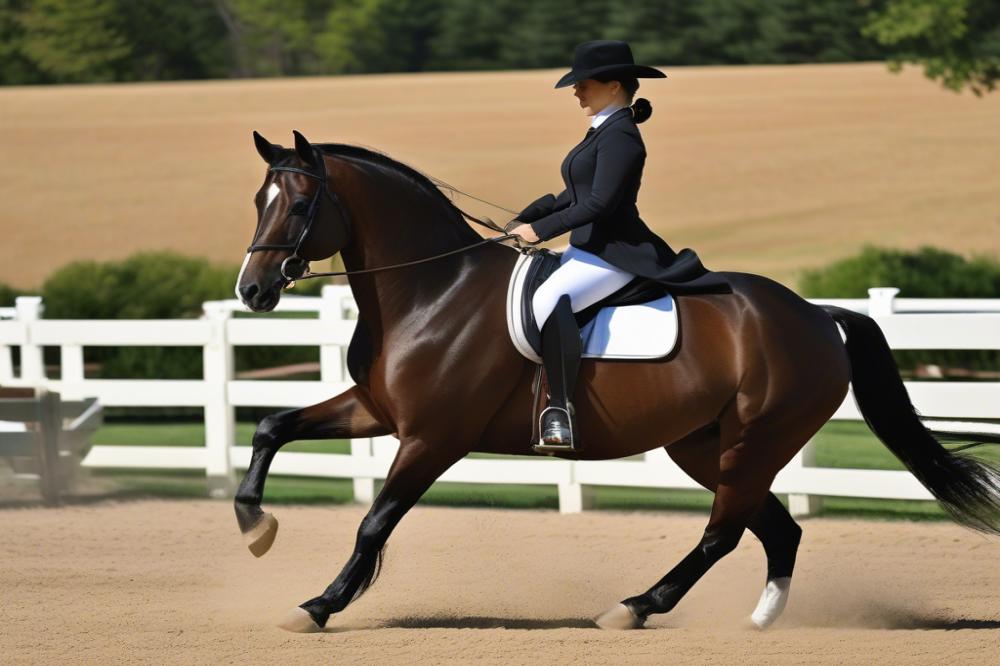
Creating a dependable walk is the first step in your transition. Focus on consistent rhythm and a relaxed frame. The horse should feel comfortable and confident during this gait. Use a light contact on the reins. This contact helps guide your horse and reinforce clarity. Regular practice of walking can build muscle memory. A reliable walk sets the stage for the next phase of your training. Keep your own posture balanced and steady.
Using cues and body language effectively
Cues are essential for effective communication. As you ride, release tension from your body. Your seat and legs can give your horse the signals it needs. Apply gentle pressure with your legs to indicate an intention to move faster. It is important to stay calm and relaxed. Nervous horses pick up on anxiety quickly. Talk to your horse with a soothing voice. This helps create a calm atmosphere for both of you.
Gradually introducing the trot
When the horse feels secure at the walk, introduce the trot. You can subtly ease into it by squeezing gently with your legs. This cue should be accompanied by a soft reminder with your voice. Start with short bursts of the trot to keep your horse feeling safe. If the horse resists, don’t push too hard. Return to the walk and try again later. Take your time; patience is key in this process.
Monitoring the horse’s reactions and adjusting accordingly
Always observe your horse’s behavior as you work together. Signs of tension or unease mean you may need to slow down. Adjust your approach based on how the horse is responding. If the horse seems anxious, return to a slower gait to regain its confidence. Reinforce any small steps forward. Celebrate progress, no matter how minor it seems.
Encouraging a positive reaction fosters trust between you and the horse. With consistent practice and attention, your horse will begin to feel more at ease with the trot.
Building Confidence in the Horse and Rider
Confidence plays a vital role in riding, especially when transitioning to a trot. A rider who feels secure can positively influence their horse’s behavior. Horses are sensitive creatures. They pick up on the emotions of their riders. If a rider is calm and assertive, the horse is more likely to relax. Trust can grow between horse and rider when the rider maintains a positive attitude during each ride.
Consistent training fosters a trusting relationship. Regular practice with clear expectations builds understanding. This repetition helps both horse and rider know what to expect. Start with simple exercises at a walk. As comfort grows, introduce slight changes. These adjustments may include adding rhythm and encouraging a gentle trot. Patience is crucial. Rushing can lead to anxiety, not just for the horse, but also for the rider.
Equestrian Tips for Handling Nervousness
Managing nervousness takes skill. Breathing techniques can benefit both horse and rider. A deep breath helps ease tension and allows for better focus. Identifying what specifically makes the horse anxious is important. Is it other animals, loud noises, or strange surroundings? Once you pinpoint the triggers, you can work on desensitizing your horse to them.
Groundwork is another effective tool. Spending time on the ground before riding can help relax a nervous horse. Simple tasks, such as leading and groundwork exercises, increase trust. When the horse feels secure on the ground, riding becomes easier.
Lastly, developing a personal routine can make a notable difference. Establish a pattern before each ride. This could include grooming, warm-up exercises, and calming techniques. Having a consistent process reduces uncertainty and promotes ease for both horse and rider.
Troubleshooting Common Issues
Recognizing and Addressing Resistance or Anxiety
Resistance in a horse can manifest in various ways. A Morgan horse may refuse to move forward, or it could display signs of tension. Ears pinned back, a tense body, or rapid breathing are all indicators of unease. Observing these behaviors is crucial. They often signal that your horse is not ready to transition from walk to trot. A rider must remain calm. Use gentle cues and maintain steady contact with the reins. Build trust over time. If your horse becomes anxious when you apply leg pressure, back off slightly. Allow your horse to feel comfortable before attempting to progress.
Alternative Techniques for Nervous Horses
Alternatives exist to help ease your horse into the trot. One effective strategy is to desensitize them to cues slowly. Start by practicing groundwork. Building confidence on the ground can translate to rides. Try introducing poles or cones during groundwork sessions. This helps the horse understand movement without immediate pressure. Also, use short periods of trotting interspersed with walking. This can create a feeling of security. If your horse shows reluctance, revert to a walk until they seem more relaxed. Sometimes, even switching to a side pasture can improve mood. Another suggestion includes utilizing calming aids such as melatonin, which may help reduce stress during your training sessions.
Seeking Professional Help When Necessary
Sometimes, despite your best efforts, challenges remain. Consulting a professional trainer can be invaluable. An experienced trainer can offer insights tailored to your horse’s specific needs. They can observe behavior you might miss and suggest effective strategies. Additionally, consider engaging with a veterinarian if you suspect underlying health issues. Physical pain can greatly impact a horse’s behavior. A vet might recommend a tailored exercise plan or adjustments to your training routine. Don’t hesitate to ask for help. Addressing anxiety or resistance with the guiding hand of a professional can make a significant difference in your journey.
Wrapping Up the Journey
Patience and trust form the backbone of effectively transitioning from a walk to trot on a nervous Morgan horse. These animals are sensitive creatures, and establishing a strong bond leads to better communication. Rushing the process can cause stress for both you and your horse, undermining your efforts in horse training. Every small step forward matters.
Staying positive is essential during this journey. Celebrate the little victories along the way, whether it’s just a confident step or a calm moment after a transition. Recognizing these achievements boosts both your morale and your horse’s confidence. Remember, progress can be uneven at times, but every challenge is an opportunity for growth.
Training a nervous Morgan horse can be a rewarding experience. Understanding this unique process is vital. Bonding with your horse takes time, but each moment spent together strengthens your relationship. Commitment to this journey is as important as achieving the final goal. With patience, perseverance, and plenty of encouragement, you and your horse will learn to move smoothly from one gait to another. Enjoy the ride.

