
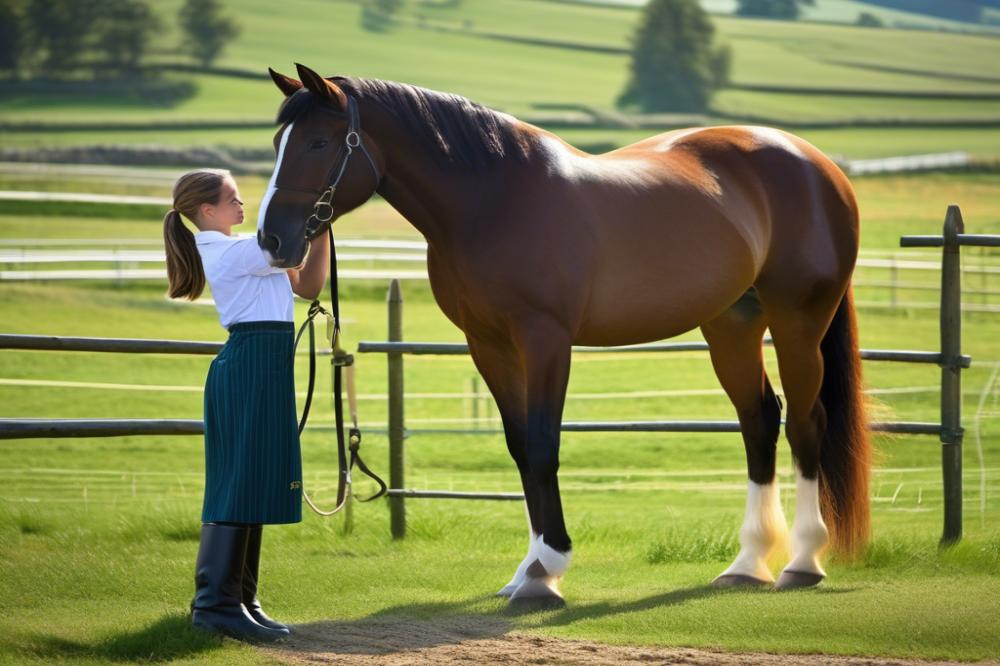
Preparing a Young Horse for breeding trials
breeding trials serve as a critical assessment of a young horse’s potential in the equine world. These evaluations help determine which horses are suited for further breeding. The trials consider various characteristics, including conformation, temperament, and movement. These traits are vital, as they signal the horse’s ability to pass desirable qualities to its offspring.
Goals for preparing a young horse for these assessments are multi-faceted. First, it’s essential to showcase the horse’s best attributes. Every aspect, from physical appearance to behavior under pressure, counts. Highlighting strengths can greatly influence a judge’s perception during evaluations.
In addition, the preparation process aims to build the horse’s confidence. A young horse that is calm and willing to engage performs better under scrutiny. This means introducing the horse to various environments and scenarios well before the trials. Consistent exposure helps ease anxiety and fear.
Moreover, quality breeding is an outcome of rigorous preparation. When a horse is well-equipped for these evaluations, its chances of being selected for breeding increase. This can lead to high-quality offspring that can further enhance the breed. Success in breeding trials opens doors to many opportunities within the horse industry, including competitions and sales.
In conclusion, young horse preparation is vital for securing a promising future. Preparing properly involves understanding what judges look for and fostering a confident demeanor in the horse. Thus, these efforts ensure that future generations are both capable and valuable in the equine community.
Understanding Breeding Trials
Breeding trials are important evaluative events where young horses are assessed for their suitability as breeding stock. These trials provide insights into the animal’s physical and mental qualities. Judges analyze several criteria during these evaluations. Conformation is a major factor; this includes the horse’s overall body structure and dimensions. A well-proportioned horse often shows promise for producing healthy offspring.
Temperament is another element evaluated at these events. A horse with a calm and trainable disposition is more likely to contribute positive traits to the next generation. Judges also look at movement. The way a horse trots and canters can reveal its athleticism and ability to perform under various conditions. Quality of gaits is crucial in determining whether a horse can excel in specific disciplines.
Relevance of these assessments cannot be overstated. They play a key role in selecting breeding stock that can pass desirable traits to their progeny. Breeders aim to improve specific characteristics, such as speed or strength, with careful selection based on trial outcomes. Evaluations help them make informed choices, enhancing the breed over time.
Breed standards provide a framework for these trials. They outline the ideal characteristics sought in each breed, offering guidelines for judges and breeders alike. These specifications help ensure consistency in assessing horses. They also encourage breeders to maintain specific traits that are valued within a breed. A horse that closely meets these standards will often have a better chance of being chosen for breeding.
Overall, understanding the components and significance of breeding assessments is essential for anyone planning to enter a young horse in trials. Such knowledge helps in making educated decisions on breeding practices and improving future generations. Preparing a horse effectively involves knowing what to expect during evaluations and how to meet the established criteria.
Veterinary Health Checks
Veterinary evaluations are essential before entering a young horse into breeding trials. These checks help assess the overall health of the animal. A horse should be in excellent condition to increase the chances of successful breeding.
Common health checks include a physical examination. A vet will look for signs of illness or injury. They also assess the horse’s body condition score. This score influences breeding capability.
Vaccinations are another critical component. Horses need to be protected against diseases such as equine influenza and tetanus. Keeping vaccinations up to date is vital for health and safety. Consult with a veterinarian about the appropriate vaccination schedule.
Additionally, dental care should not be overlooked. A horse with dental issues may have difficulty eating properly. Regular dental checks can prevent problems that might arise during breeding.
Another important assessment is for lameness. A lameness evaluation helps identify any underlying issues that could affect performance. Ensuring soundness is key to a successful breeding process.
Testing for parasites is also necessary. A deworming program can keep the horse healthy and fit. Timing of deworming can impact overall well-being, especially before breeding.
Blood tests are sometimes recommended as well. These tests can check for infections or other health problems. Monitoring blood health helps avoid unforeseen complications.
A healthy horse lays the foundation for breeding success. Each aspect of the health check should be viewed as a building block. When the horse is in peak condition, breeders can feel confident moving forward.
Young Horse Nutrition
Providing the right nutrition for young horses is essential as they prepare for breeding trials. Young horses, or foals, have unique dietary needs that support their growth and development. A proper diet lays the foundation for their future athletic performance and overall health.
One of the main components of a young horse’s diet includes high-quality forage. Grass hay or alfalfa should be the primary source of nutrition. These hays contain important fibers and nutrients. Fresh grass can also be beneficial during the growing season. However, not all pastures are safe. Watch for toxic plants that may harm young horses.
Grain can be introduced gradually, especially if the horse is in training. Fortified feeds designed for young equines provide additional vitamins and minerals. When selecting such products, look for those rich in protein and calcium. These nutrients support bone growth, essential for a developing animal.
Water must always be fresh and clean. Hydration supports all bodily functions. In warmer months, horses may drink more, so keep an eye on their water supply. Good hydration indirectly supports digestion and nutrient absorption.
Feeding schedules play a significant role in nutrition. Young horses typically benefit from multiple small meals throughout the day. This approach mimics their natural grazing behavior. Split their meals into two or three feedings to help prevent digestive issues. Consistent timing also helps with their routine.
Supplementing the diet can sometimes benefit growth. Consult a veterinarian to determine the best options. Certain minerals can be added if deficiencies are suspected. Balancing these supplements is crucial, as over-supplementation can lead to other complications.
Monitoring weight and body condition is vital during this period. Keep an eye on their growth rate. If the horse seems too thin or too heavy, adjustments to the diet may be necessary. Regular veterinary check-ups can also guide dietary changes and ensure optimal growth.
The development of young horses can be heavily influenced by their diet. A well-rounded nutritional plan enhances muscle development and skeletal strength. These factors are crucial as they prepare for future training and performance. Proper nutrition sets the stage for success in their careers.
Horse Conditioning and Training Schedule
Preparing a young horse for breeding trials involves careful planning in training and conditioning. Start by developing a schedule that includes activities focused on physical fitness and skill development. A balanced routine will help the horse build strength, agility, and stamina.
Training sessions should be frequent but not overwhelming. Aim for at least five days per week. Each session can vary in length, ideally lasting from 30 minutes to an hour. Begin with warm-ups to help prevent injuries. Simple lunging or light walking can be effective. Warm-up activities prepare the horse both mentally and physically.
Incorporate groundwork exercises regularly. Groundwork can enhance communication between the horse and rider. This connection leads to better responsiveness in the saddle. Techniques such as desensitization to aids, or pole exercises will develop the horse’s coordination. These activities promote confidence and focus during training.
Introduce strength training by using hills or resistance tools like weighted saddles. Gradually increase the workload to avoid overwhelming the horse. Conditioning exercises such as interval training can also improve endurance. This method keeps the horse engaged while enhancing performance.
Agility is essential, especially for breeding evaluations. Set up an obstacle course with cones and poles. Use it to encourage quick footwork and sharp turning. Also, consider trail riding to expose the horse to new environments. Various terrains help develop adaptability.
Monitor the horse’s progress closely. Take note of how it responds to different training modalities. Adjust the schedule based on its physical condition and mental state. Rest days are just as important as training days. A well-rested horse is more likely to show improved performance.
Daily care is critical when establishing a conditioning schedule. Feeding should align with the horse’s training routine to support energy needs. High-quality forage and balanced meals will promote recovery. Remaining attentive to hydration is equally vital, especially after intense workouts.
A structured routine will set the foundation for success in trials. Encourage regular assessment of the horse’s health and fitness levels. Collaborate with veterinarians and trainers to optimize the process. Each horse is distinct and requires a personalized approach to reach its full potential.
Handling Techniques and Temperament Evaluation
Effective handling techniques foster trust and responsiveness in young horses. Approaching these animals calmly is key. Sudden movements may startle them. Therefore, speak softly and move slowly when you are with them. Gentle touches can help build a bond. Consistent routines also provide comfort and security. Regular handling promotes familiarity. This familiarity makes training easier, as the horse learns to accept human interaction.
Positive reinforcement plays a significant role in developing a trusting relationship. When a horse responds well, reward it with a treat or praise. This method encourages repeat behaviors. Make sure not to overwhelm them at the beginning. Gradually increase the level of handling as the horse becomes more comfortable. Patience is vital in this process.
Temperament evaluation is critical for assessing a young horse’s potential. Every horse has a unique personality. Some are bold and curious; others may be shy and reserved. Observing how a horse reacts under different situations can reveal its temperament. These reactions can impact training approaches. For instance, a nervous horse may require a gentler approach. On the other hand, a confident horse might thrive with more challenges.
Understanding a horse’s temperament also aids in planning for breeding trials. An animal that is calm and willing to work will likely perform better. A quick assessment can help identify a horse’s strengths and weaknesses. This understanding will guide trainers in setting appropriate goals. Moreover, temperament can influence how a horse interacts with other animals. This aspect is crucial during breeding sessions.
Building trust through careful handling and evaluation creates a solid foundation. A young horse that feels secure will display more eagerness to learn. Taking the time to understand its behavior is essential. This attention not only improves training but also enhances overall performance. A horse that is well-prepared is more likely to succeed in future endeavors.
Conformation Assessment and Showing Skills
Conformation assessment is a key element in preparing a young horse for breeding trials. This process involves evaluating the horse’s physical structure. Judges often look for specific traits, such as body shape, neck length, and leg positioning. A well-formed horse is more likely to meet breed standards. Therefore, proper conformation can greatly influence a horse’s success.
The right conformation supports movement and balance. Horses with good structure are not only healthier but also excel in performance. During assessments, judges focus on how a horse moves. Fluid and graceful motion is important for any young equine in competition. Confirming that a horse has these traits is essential for breeding success.
Training in showing skills directly impacts how well a horse performs in front of judges. Learning to stand correctly and move elegantly is crucial. Horses should appear confident and calm while being presented. Training helps them become accustomed to the atmosphere of the arena. An experienced handler can make a significant difference in how the horse is viewed.
Practicing showing skills allows the horse to showcase its strengths. These skills include leading, trotting, and posing for the judge. A horse that is well-prepared in these areas is likely to impress. Consistent training builds confidence and reduces anxiety. This preparation helps the horse maintain focus when judged.
Overall, the combination of conformation and showing skills creates a favorable impression. When these two aspects align, it maximizes the horse’s potential to stand out. Proper assessment helps identify strengths and weaknesses early on. Likewise, effective training can refine those skills, ultimately leading to success in the ring. Each component plays an important role, shaping the young competitor for the future.
Preparing for the Trial Day
Preparation is crucial on the day of the breeding trial. A comprehensive checklist will help keep everything organized. Start by focusing on both mental and physical aspects of your horse.
Physical readiness is more than just grooming. Ensure your horse has been fed properly the day before. Plenty of hydration is also essential for optimal performance. A gentle exercise routine in the morning can help to warm them up. Check hooves and shoes for any issues that could affect performance.
The right grooming will go a long way on trial day. Brushing should be thorough, removing any dirt or loose hair. Pay attention to the mane and tail, keeping them neat and tidy. A clean coat not only looks appealing but also boosts the horse’s confidence. Don’t forget to clean the tack and make sure everything fits well.
Mental preparation is equally important. Being calm can help your young horse feel secure. Spend some quiet time with your horse, allowing them to adjust to the surroundings. Use soothing tones while talking to them. This can make a significant difference in your horse’s demeanor.
Have the essentials ready to go. Items such as a first aid kit, grooming tools, and extra feed can be very helpful. Keep a calm attitude throughout the day. Your own demeanor will influence your horse’s reaction to the environment. If you feel anxious, your horse may pick up on that energy, which can lead to stress.
Arrive early to get settled into the location. This allows your horse to explore the surroundings. A slow introduction to new sights and sounds will help alleviate any nervousness. Transport your horse safely, utilizing a quality trailer. Familiarity with the loading and unloading process will ease any anxiety.
Handling should be gentle yet assertive. Correct cues and clear commands are important during preparation. Practicing leading and standing quietly can build confidence. A good groundwork session beforehand can set the tone for the day.
Finally, remember the importance of a positive mindset. Every horse is different. Celebrate their individual traits and qualities, focusing on the progress made rather than the outcome. Building a bond with your horse through this process will pave the way for their future endeavors.
Wrapping Up: Key Insights on young horse preparation
Preparing a young horse for breeding trials involves careful planning and attention to detail. Throughout this article, we have highlighted several essential aspects. First, understanding the horse’s health is crucial. Regular veterinary checks can help identify any issues that might affect performance. Nutrition also plays a vital role, as a balanced diet supports physical and mental development.
equine training is another significant factor. Simple exercises and consistent routines can instill confidence and develop the horse’s skills. Proper handling from a young age can lead to better reactions during assessments. Socialization is equally important. Interaction with other horses and humans fosters a well-rounded temperament, which can be beneficial in stressful situations.
Moreover, mental stimulation should not be overlooked. Providing challenges keeps the horse engaged and prepared for various experiences. Each of these elements contributes to the horse’s overall readiness. Respecting individual needs will create an environment where the young horse can thrive.
In summary, thorough preparation goes beyond physical training. It involves nurturing the horse’s well-being in all areas. A holistic approach will provide the best chances for success. By focusing on every aspect of development, breeders can set their young horses up for outstanding performances during breeding assessments. Remember, investing time and effort into these preparations pays off in the long run.

