
Introduction
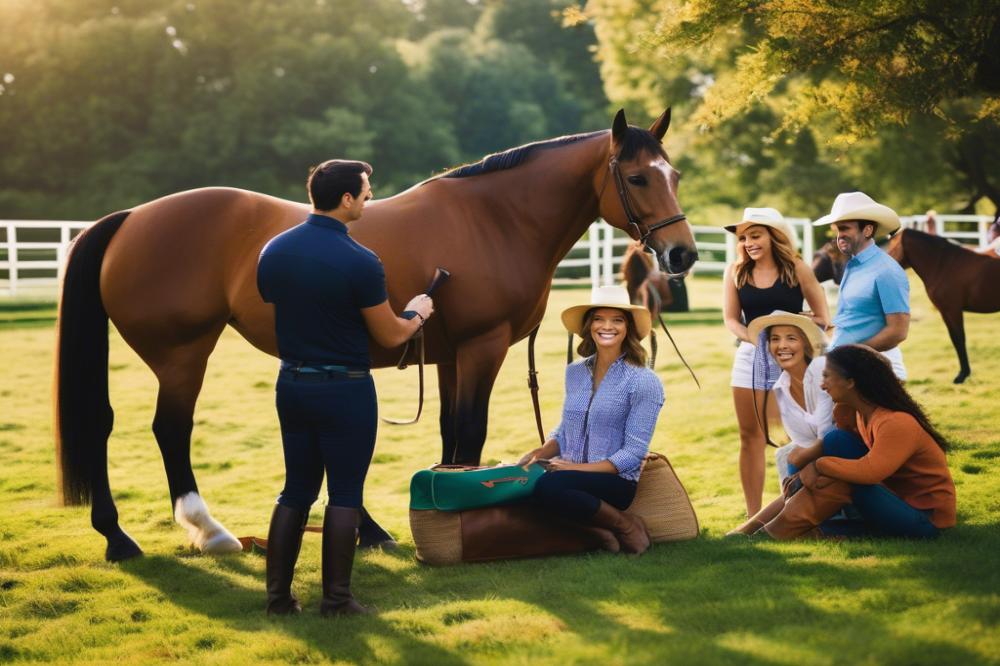
The world of equestrian activities is rich and diverse. Horse owners today come from various backgrounds, cultures, and regions. Owning a horse is often seen as a passion, a lifestyle, and even a profession. Across the globe, people engage with horses for sport, recreational riding, and companionship. It’s clear that the current state of horse ownership is multifaceted.
Understanding global trends and challenges in this realm is crucial. As the interests of horse enthusiasts evolve, so do the dynamics of care, training, and breeding. Challenges such as economic shifts, environmental sustainability, and changes in consumer behavior are emerging. These factors could reshape how people perceive and engage with equestrian life.
Globally, horse populations fluctuate, driven by various influences. Some countries boast thriving equine communities, while others struggle to maintain their numbers. The multifarious nature of the equestrian lifestyle also varies. For some, it’s about competition and gaining accolades; for others, it’s purely about bonding with their equine partners. Each local culture affects how individuals experience and think about horses. Taking all of this into account reveals a complex, yet fascinating landscape for horse lovers.
The Future of horse ownership
Defining what it means to own a horse today involves more than just having a prized animal. For many, it’s about connection, passion, and lifestyle. Families used to have horses as part of daily life. Nowadays, that connection has evolved into something different.
Shifts in Demographics and Ownership Patterns
Demographics are changing rapidly. A new generation of horse enthusiasts is emerging, motivated by diverse interests. Older traditions are giving way to modern ideas. Buyer’s motivations include recreational riding, showcasing in competitions, or simply enjoying a bond with these animals. Different cultures also play a key role in shaping who becomes an owner. Location, age, and financial status impact decisions on ownership.
Impact of Urbanization and Lifestyle Changes
Urbanization has significantly influenced equestrian life. Many cities have limited space for stables or riding arenas. This reality often leads to a decline in horse ownership in urban areas. Moreover, busy lifestyles leave less time for horse care. Competing commitments, like work and family obligations, make it tough for owners. Consequently, some turn to alternative options such as leasing or sharing a horse. These arrangements can keep the love for riding alive without the full responsibilities of ownership.
Environmental awareness is also on the rise. People increasingly consider the impact of owning a horse on resources like land and feed. Sustainable practices are becoming essential. Owners are looking towards eco-friendly stabling and farming practices. The future demands a balance between caring for horses and protecting the planet.
global trends in Horse Populations
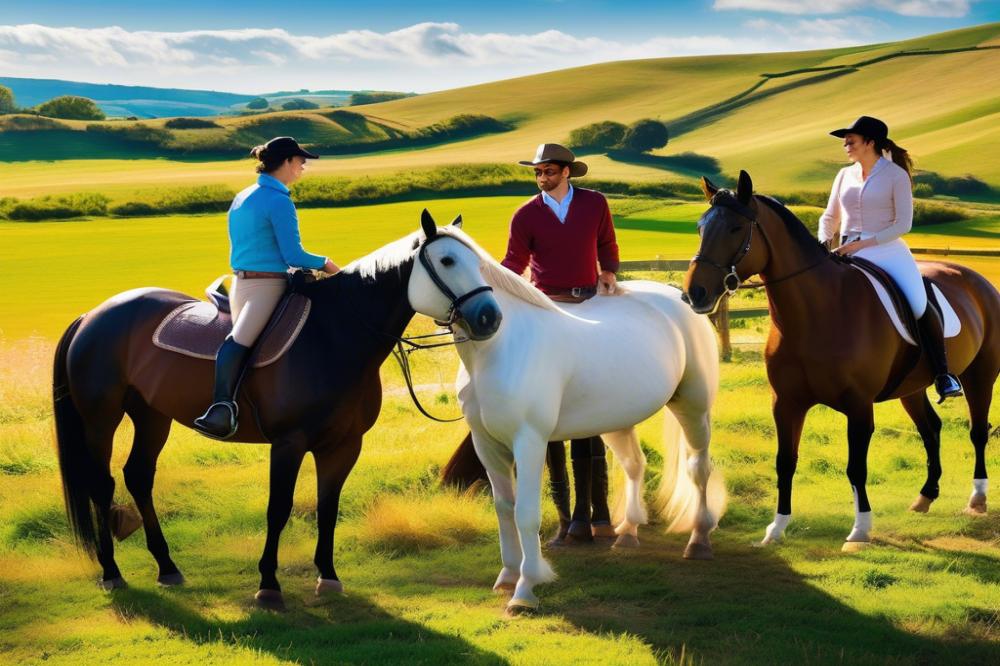
The state of horse populations varies significantly around the globe. In some countries, the numbers are on the rise, driven by a growing interest in equestrian sports and leisure riding. Others, facing economic downturns or changing lifestyles, see declining figures. This fluctuation reveals much about cultural attitudes toward horses.
Regional differences paint a broad picture. North America maintains a strong equestrian culture, largely influenced by recreational riding and competitions. In contrast, parts of Asia are witnessing an increase in horse ownership, as people embrace horseback riding for health and fitness. European nations uphold rich traditions tied to horsemanship, blending sport with heritage.
Emerging markets present exciting opportunities. Developing countries such as Brazil and India experience a rise in equine interest. Greater disposable incomes allow families to invest in horses for recreation and sport. Additionally, more individuals are drawn to equestrian activities, enhancing local economies and creating new communities centered around horses.
Challenges often accompany these trends. Urbanization limits space for stables and riding trails. Environmental concerns regarding land use may lead to conflicts between developers and equestrian enthusiasts. Ensuring access to quality care for horses becomes increasingly important as populations grow.
Education plays a vital role in shaping the future of horse management. Understanding responsible ownership helps mitigate issues like neglect. As global interest in horses increases, informing new owners about proper care practices is essential for sustainability.
Market shifts can also bring uncertainty. The fluctuating economy affects budgets for horse-related expenses. Costs can deter new enthusiasts, presenting barriers to entry for many aspiring owners.
Technology continues to influence horse-related activities as well. The rise of social media showcases equestrian lifestyles, attracting younger generations. With apps and online platforms, people can learn, connect, and share experiences. This accessibility broadens horizons for those interested in the equine world.
Future trends promise to reshape the landscape of equestrian culture. As global interest grows, collaborating across regions can foster learning and innovation. Harnessing these trends can lead to a more vibrant community invested in equine welfare and sustainable practices.
Challenges Facing Horse Ownership
Economic Challenges: Ownership Costs and Affordability
The financial burden of keeping a horse can be quite heavy. Expenses include feed, veterinary care, and stable costs. Many people find it difficult to manage these ongoing costs. In some regions, prices are higher due to demand. This creates a gap between those who can afford to maintain a horse and those who cannot. Young horse enthusiasts often struggle to enter the equine world. With rising costs in many sectors, affordability is becoming a major issue for potential owners.
Regulatory and Legal Issues in Horse Ownership
Navigating the legal landscape can be complicated for horse owners. The rules vary widely by region and change frequently. Some owners may face restrictions on land use. Zoning laws can limit where horses can be kept. Others might encounter regulations on animal welfare, impacting care standards. Understanding local laws is vital for everyone involved. Ignorance of these legal requirements can lead to penalties, which no one desires.
Environmental Challenges: Sustainable Practices in Horse Care
Caring for a horse has environmental implications. Waste management is one of the key issues owners must consider. Manure can pollute water sources if not handled properly. Additionally, sourcing feed sustainably is often overlooked. The impact of transport and farming practices affects our ecosystems. Adopting eco-friendly practices requires time and knowledge. Many owners must learn to balance their horse’s needs with environmental responsibility. Sustainable practices, while essential, can demand significant changes in how people approach horse care.
Advancements in Technology and Horse Care
Innovations in Equine Health Monitoring and Care
Wearable technology is making waves in horse care. Health monitoring devices track vital signs, movement, and even behavior. This information offers valuable insights for owners and trainers. Early detection of health issues has never been easier. Instead of waiting for a problem to appear, owners can proactively manage their horse’s health. These advancements help create a more responsive care plan.
How Technology is Transforming Training and Management Practices
Training methods are evolving thanks to modern technology. Virtual lessons and professional coaching can now happen from afar. Riders can access instructional videos online. This allows them to improve their skills without constant on-site lessons. Moreover, training software analyzes performance data to tailor workouts. Customized regimens based on a horse’s specific needs lead to better outcomes. With tech tools, care and training become more synchronized.
The Role of Technology in Enhancing Horse Welfare
Welfare issues are gaining attention in the industry, and technology is stepping up. Smart feeding systems help manage diets according to individual requirements. These systems prevent colic and other dietary problems. Consultations with veterinarians can be facilitated through telemedicine platforms. Quick access to specialists makes a difference in urgent situations. Technology also plays a role in improving living conditions. Sensors can monitor stable environments, ensuring proper temperature and air quality. As a result, horses enjoy healthier and happier lives.
Breeding Practices and Market Trends
Current trends in breeding practices are focusing on improving horse quality in various ways. Breeders now emphasize genetic selection to produce horses with better performance traits. The aim is to create animals that excel in their respective disciplines, whether it’s racing, jumping, or dressage. Advanced reproductive technologies, such as artificial insemination and embryo transfer, also play a vital role. These techniques allow breeders to expand genetic diversity and select top-performing genetics, which was not possible before.
Genetics is a game-changer in horse breeding. The ability to analyze DNA has opened new doors. Identifying desirable traits helps breeders make more informed decisions. For example, potential buyers look for horses that show promise in speed, stamina, or temperament. Breeding programs that incorporate these scientific advancements can produce exceptional equines. As technology evolves, it may shift how horses are bred and raised.
Market trends are continually shaping the landscape of the equine industry. Economic fluctuations can impact horse ownership decisions. Some individuals may choose to invest in higher-quality horses due to rising standards in competitions. Others might pull back from ownership due to increased costs associated with care and management. The demand for horses can vary, often based on trends in popular equestrian sports.
Another area of interest includes the growing focus on equestrian tourism. This increase can lead to a rise in demand for specific breeds suited for recreational riding or competitive events. As people seek unique experiences, horse ownership might be seen as desirable in new ways. The ability to offer riding lessons or guided trails can transform the economic experience for horse owners.
Changes in global attitudes toward animal welfare also influence breeding practices. More prospective owners look for ethically bred horses. Breeders must adapt by embracing responsible breeding techniques that prioritize the health of their animals. This shift can lead to a better public perception and a more sustainable industry.
Technology continues to impact the market, particularly online platforms connecting buyers and sellers. Social media and e-commerce have expanded the reach of breeding programs. Potential horse owners can browse a vast selection, which makes the search process easier. These innovations also allow for better information sharing, helping buyers make educated decisions.
Community Engagement and the Equestrian Lifestyle
Community plays a crucial role in supporting those who own horses. Strengthening connections among equestrians helps create a supportive network. This network can be vital for sharing resources, advice, and friendship. Joining local clubs gives individuals a sense of belonging. Many people find that being part of an equestrian group enriches their horse experience.
Events like rodeos, horse shows, and trail rides unite riders from different backgrounds. Participation in these gatherings fosters friendships and improves skills. They also offer a platform to showcase talents and learn from others. Organizations dedicated to horse welfare often provide workshops, clinics, and training opportunities. Access to these programs is essential for promoting responsible care.
Education is a pillar of responsible horse care. Knowledgeable horse owners understand the needs of their animals better. Programs that emphasize the importance of proper nutrition, training, and health care are vital. These educational efforts raise awareness in the community. Without adequate knowledge, new owners might struggle to provide for their horses.
Awareness campaigns also play an important role in community engagement. Many organizations focus on the ethical treatment of horses. These campaigns promote the idea that caring for an animal is a lifelong commitment. Responsibilities should never be taken lightly. Informed owners tend to make better decisions regarding welfare and well-being.
Clubs and organizations are essential in this journey. They help cultivate a culture of sharing and collaboration. People who engage with others in the community often discover new opportunities. They can network, and find mentors, and gain insight into best practices. This kind of engagement builds a strong legacy for future generations of equestrians.
Final Thoughts on Equestrian Trends and Challenges
The landscape of horse ownership is changing rapidly. Key trends show a shift towards more ethical treatment of animals and an increased emphasis on sustainability. Many people recognize that the equestrian lifestyle can’t continue without considering environmental impacts. This new awareness leads to both challenges and opportunities.
One of the biggest issues is the rising cost of owning a horse. Feed, veterinary care, and stable expenses are becoming burdensome for many owners. As a result, some are seeking solutions like shared ownership or community stables. These approaches can help make owning a horse more affordable and sustainable.
Another significant matter is the health of horse populations worldwide. Excessive breeding practices and neglect have led to many horses facing dire circumstances. It’s crucial to focus on responsible breeding and promoting the welfare of these animals. Proper education on care can foster a healthier future for horses.
Looking ahead, the future of horses depends on both owners and communities. Engaging in local initiatives can strengthen relationships between equestrians and non-equestrians. More community involvement can also support rescues and promote equine welfare. Everyone has a role to play in shaping a positive trajectory for equestrian practices.
A call to action is clear: embrace sustainable methods and help raise awareness. By advocating for horses and making thoughtful choices, people can contribute to meaningful change. Together, we can create a future where horse ownership is not just a privilege but a responsibility shared by all.

