
Introduction
horses-in-china-s-modern-economy-decline-or-resurgence”>Russia has a rich history with horses that dates back thousands of years. These animals have played a crucial role in various aspects of Russian life. From agriculture to transportation, horses have shaped the culture and economy of the nation. They are often viewed as symbols of strength and freedom. Throughout history, the bond between humans and these creatures has been profound.
Currently, significant shifts are occurring within this landscape. Changes in agriculture and urbanization have affected how horses are used and valued. Many traditional practices are declining, and fewer people are involved in equestrian activities. As cities expand, the fields where horses once thrived are diminishing. This transformation raises questions about the future of horse populations in the country.
Understanding these changes is vital. Exploring the future of horse populations in Russia is not simply an academic exercise. It touches on themes of culture, tradition, and identity. What happens to these animals can reflect wider societal shifts. The fate of horses in Russia could signify broader changes in how society values its history and heritage.
By examining the evolving equine landscape in Russia, we can gain insights into what lies ahead. The dialogue surrounding these issues is important for horse enthusiasts and policymakers alike. Addressing the future of horses in Russia is essential for preserving both their legacy and their presence in everyday life.
The Historical Significance of Horses in Russia
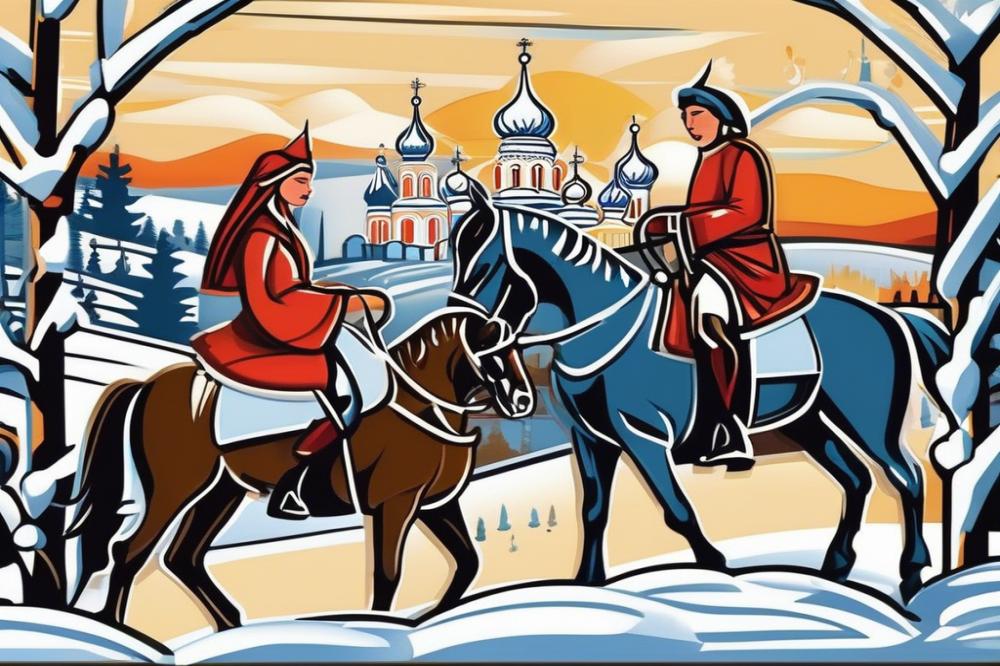
Horses have played a crucial role in Russian history. From the vast steppes to the dense forests, these animals shaped various aspects of life. In the early days, they were essential for transportation, connecting distant regions. They enabled trade and communication, helping to unify the sprawling nation.
Rural traditions often revolved around horses. Farming communities relied on them for plowing fields and transporting goods. The bond between people and horses was unique. Festivals celebrated both the animals and their importance. These events showcased skills in riding and care, emphasizing the deep respect for their contributions.
Equestrian culture also made a mark on Russian society. Literature and art featured horses prominently, reflecting their significance. Many famous Russian artists painted scenes of horses, portraying them as symbols of strength and beauty. Additionally, classic literature often highlighted the relationship between riders and their steeds.
Throughout history, horses have embodied freedom and adventure. They were more than just working animals; they represented dreams and aspirations. Riders took pride in their steeds, cultivating a sense of identity and heritage. This connection fostered loyalty and respect, which still resonate today.
As urbanization began to grow, the role of horses changed. Many people moved to cities, leaving behind rural traditions. This shift raised questions about their future in Russian culture. Although modern transportation systems now dominate, the legacy of horses in societal development remains significant.
Current Trends in Horse Breeding and Ownership
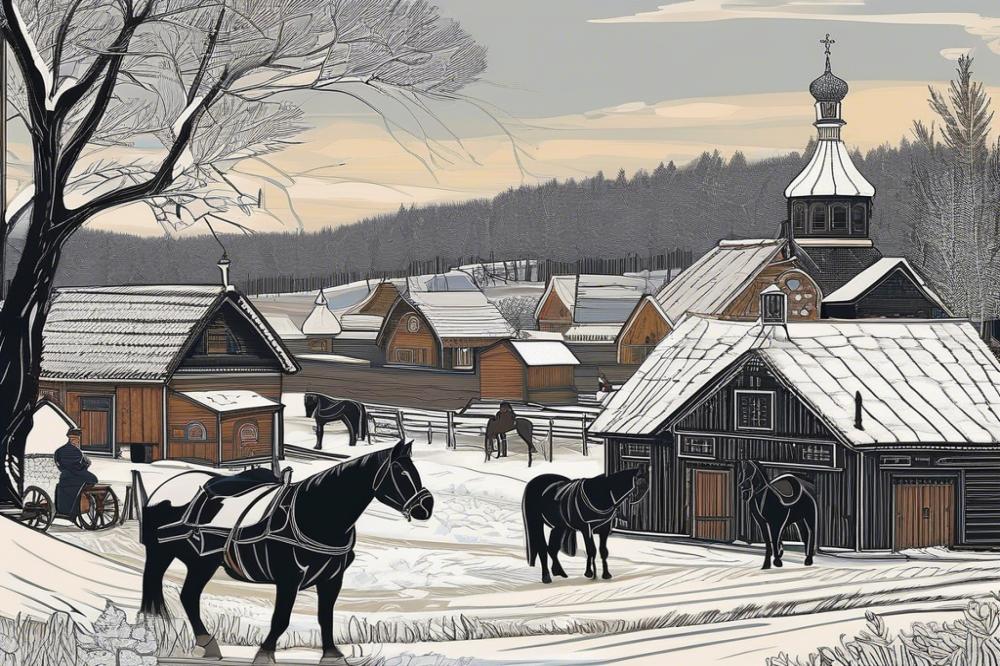
Modern horse breeding practices in Russia are changing. Traditional methods are now blending with more innovative approaches. Breeders are focusing on traits that appeal to both competitive riders and leisure owners. Thoroughbreds and Arabians remain popular, but mixed breeds are gaining traction. Many enthusiasts seek animals that are well-suited for a variety of activities, from sports to family fun. This shift reflects broader trends in consumer preferences.
Ownership demographics are also evolving. Once, horse ownership was largely a hobby for the affluent. Today, younger people are getting involved. They often have different priorities and view horses through a modern lens. Economic factors play a role in this transformation. The costs associated with horse care are high, making it less accessible. However, some new ownership models, like shared ownership or leasing, are emerging. These alternatives help lower the financial burden while giving more people access to horses.
Urbanization is another factor influencing the equine landscape. Many rural areas are experiencing population decline while cities expand. This migration impacts the availability of horses. Urban residents often lack space for proper stables and riding areas. As a result, fewer people are actively engaging with horses. Some urban areas are creating riding clubs and partnerships to maintain interest. Ironically, this could lead to a unique blend of city and country lifestyles in horse ownership.
Horse-related activities are adapting to this new environment. Riding schools in cities are becoming common, aiding people who have never owned a horse. They offer lessons and experiences that attract different audiences. This change helps bridge the gap between urban living and horse culture. As more individuals connect with horses, we may see a revitalization of interest in equine sports and events.
In conclusion, the dynamics of horse breeding and ownership in Russia are shifting. Breeders embrace modern strategies while consumers adjust to economic realities and urban lifestyles. This situation presents both challenges and opportunities for the future of horse culture in the country.
Economic Changes and Their Effects on the Equine Sector
Influence of economic transitions on horse-related industries
Economic shifts in Russia have significantly impacted horse-related industries. Changing market dynamics have pressed breeders and trainers to adapt or fade away. Historically, horses held great importance in various sectors. Their roles included transportation, agriculture, and even leisure. Today, that importance is diminishing. As economies struggle, fewer resources are available for maintaining stables or supporting equine activities.
Hobbyists are finding it harder to justify the costs associated with horse care. Most people cannot afford to keep a horse as a pet anymore. Riding schools also face declining enrollment. Owners now prioritize more pressing financial commitments. This reality challenges traditional practices that relied on community support and participation.
Decline of rural economies and its impact on equestrian practices
Rural areas in Russia have encountered severe economic hardships. As local economies decline, many farms have closed. This closure means fewer opportunities for horse breeding and training. Once, these regions thrived on agriculture and animal husbandry. However, now, people leave in search of better jobs in cities. This migration impacts the equestrian culture that once flourished.
Moreover, smaller towns now struggle to maintain equestrian centers. Local competitions and events are becoming rare. Communities that once rallied around horseback riding now lack the resources to support such activities. The charm of rural life, including caring for horses, has faded.
Potential for tourism and sports in revitalizing equine interests
There remains hope for the equine sector in Russia through tourism and sports. Equestrian sports can draw tourists if marketed correctly. Many travelers seek unique experiences, and horseback riding appeals to that desire. Various regions with beautiful landscapes could attract visitors interested in riding tours.
Beyond tourism, there is potential in hosting competitions. Jumping and dressage events can represent Russia on the international stage. This exposure might inspire a new generation to take up riding. Communities may find renewed enthusiasm by focusing on sports and tourism. With proper investment and promotion, horses could once again capture the hearts of many.
Equine Welfare and Ethical Considerations
The welfare of horses has become a growing concern amid changing circumstances in Russia. As urban areas expand, the demands placed on horses often shift. They now must adapt to new environments that may not prioritize their needs. In rural settings, horses might still find spaces to roam, yet challenges persist.
In city life, these animals are often confined to smaller spaces. This can lead to stress and health problems. The noise and bustle of urban areas are not friendly to their natural instincts. Walking on busy streets poses a risk for accidents. Owners must navigate these dangers daily.
Rural landscapes offer more freedom, yet they also bring issues. Limited resources can affect nutrition and care. Owners may lack access to proper veterinary services. Local communities could be unaware of the proper needs horses require, leading to neglect.
Equestrian organizations play a crucial role in addressing these concerns. Their efforts help raise awareness about proper care for horses. They provide education to owners, emphasizing the importance of welfare. Training programs are designed to support humane treatment and responsible ownership.
Community outreach is essential as well. Events and workshops can inform the public about horse care and ethical issues. Organizations also advocate for better policies that protect these animals. Collaboration among stakeholders strengthens the voice for welfare reforms.
As public awareness grows, more individuals can take action. Informed owners are likely to prioritize the needs of their horses. With ongoing support from organizations, the trend could shift towards better overall care.
Horses deserve better conditions, regardless of their surroundings. Ensuring their welfare is a shared responsibility. Together, urban and rural communities can foster a more compassionate environment for these magnificent creatures.
Cultural Heritage and the Future of Equestrian Sports
The preservation of equestrian culture in Russia holds significant importance. Horses have played a vital role in Russian history, society, and folklore. Many communities have deep-rooted traditions regarding these animals. Losing touch with this heritage could diminish local identities. As society evolves, a shift in focus toward modernity might overlook these integral aspects.
Potential transformations in sports and recreational horse activities are already noticeable. Fewer people are participating in traditional horseback riding events. Instead, more modern forms of engagement are emerging. These include activities like horseback archery or competitive riding, which might appeal to younger generations. Clubs may shift their offerings to attract a new audience and capture their interest.
Changes in equestrian sports could reflect broader societal trends. Attitudes towards animal welfare can impact how horses are used in leisure and competition. Additionally, urbanization continues to make access to horse riding facilities more challenging. This scenario raises questions about the future of such activities. How will younger individuals connect with the traditions of horseback riding if opportunities dwindle?
Cultural heritage can significantly influence future policies and practices within the equestrian community. A deeper understanding of historical connections may inspire renewed interest in traditional sports. Many organizations strive to integrate this heritage into modern practices. By shining a light on the past, communities can foster a sense of responsibility towards these animals and their history.
In the long run, appreciating traditional equestrian skills can create stronger bonds. Schools and clubs may collaborate to promote awareness and education about these practices. Efforts to celebrate this heritage can serve as a reminder of its value in a rapidly changing world. The connection between people and horses is more than a pastime; it is part of a broader narrative that must be cherished.
Final Thoughts on Horses in Russia
The current state of horse populations in Russia is a reflection of broader societal changes. Once cherished as symbols of strength and beauty, their numbers have dwindled. Many stables remain empty, and riding schools struggle to attract new students. This shift raises questions about the future of these animals in modern society.
A growing urban population has diverted attention away from rural traditions. More people live in cities, where horses are often viewed as luxuries rather than necessities. The once-vibrant equestrian culture faces challenges in maintaining its relevance in an increasingly digital world. However, there is potential for a revival if enthusiasts unite to promote equestrian activities.
Looking ahead, the presence of horses in Russian life hangs in the balance. Communities might need to recognize the diverse roles these animals play beyond their practical uses. They offer therapeutic benefits and contribute to the arts and recreation. Increasing public awareness can foster a renewed appreciation for their significance.
We must act to safeguard this vital connection. Educational programs can help people understand the importance of horses in Russian history and culture. Events celebrating equestrian activities can draw interest from younger generations. Champions of this cause should be proactive in sharing stories that highlight the enduring bond between humans and horses.
As Russia evolves, preserving this relationship becomes essential. A vibrant future for horses in society relies on our collective efforts to cherish and promote their legacy. The equestrian world offers richness and depth, and it is up to us to keep it alive.

