
Mongolia’s Horses: An Integral Part of Culture
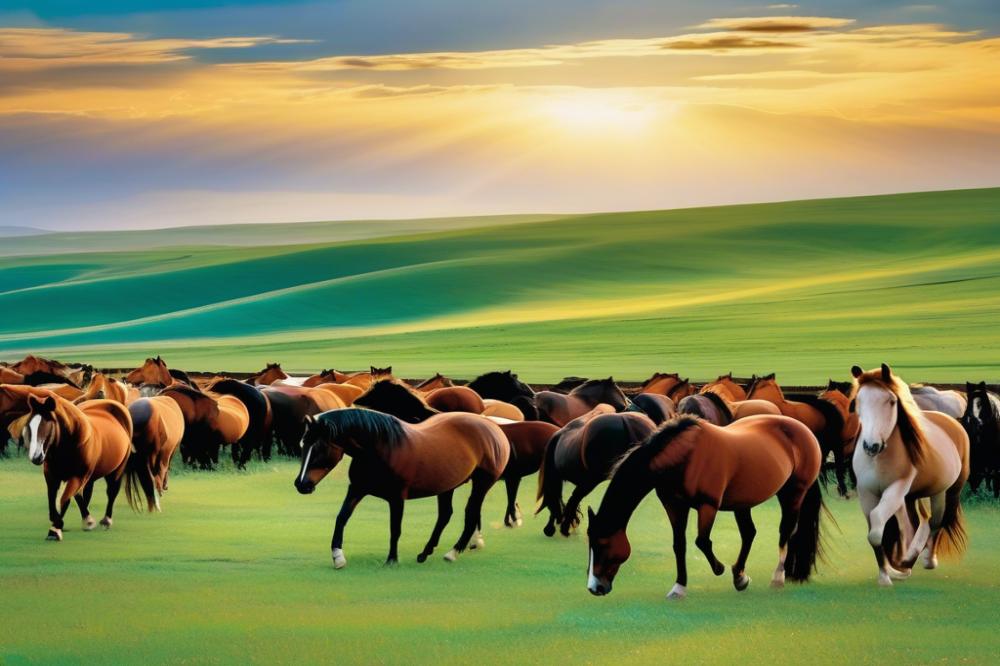
Mongolia’s Horses hold a special place in the hearts and minds of its people. They symbolize strength and resilience. Throughout history, these animals have played a critical role in the daily lives of Mongolian nomads. As companions in the harsh steppe, they provide transportation, and food, and are essential for herding livestock. This deep bond has fostered a rich equine heritage that is woven into the very fabric of Mongolian culture.
Horses are not just animals here; they are vital to identity. In festivals, such as the Naadam, horse racing is a highlight of the celebrations. Children grow up learning to ride, developing skills that connect them to their ancestors. The pride associated with raising and caring for these creatures is immeasurable. This connection shapes community rituals and strengthens familial ties, reinforcing a sense of belonging among the people.
However, the future of these iconic herds faces numerous challenges. Global changes, such as climate fluctuations, threaten traditional grazing lands. Urbanization and modernization bring new pressures that disrupt the age-old ways of life that have sustained herders for generations. As fewer young people choose to stay in rural areas, the knowledge of horse care and herding is at risk of being lost. These factors combined place Mongolia’s Horses and their herders in a precarious situation. The importance of Herd Survival becomes clear. Protecting this way of life will require concerted efforts to balance progress with tradition.
Mongolia’s Horses: Cultural and Historical Significance
Role of Horses in Traditional Mongolian Nomadic Lifestyle
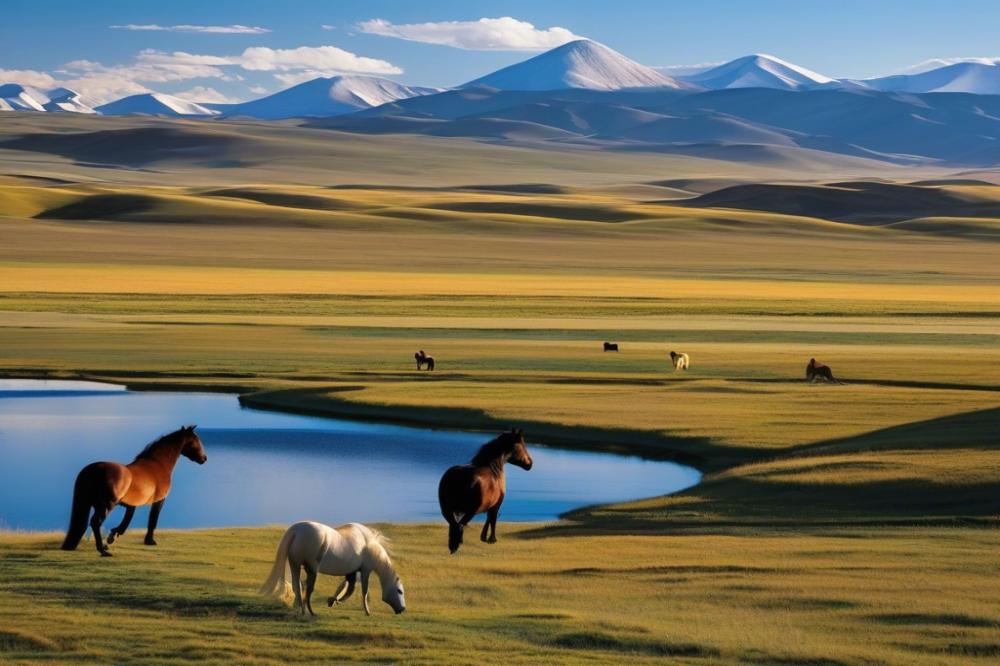
Horses play an essential role in the life of nomadic herders. They are not just transportation; they are lifelines. Daily routines often revolve around these animals. From herding livestock to hauling goods, horses are vital. Many families rely on them for everything from milking cows to hunting. Relationships between people and their horses run deep. Trust and cooperation define these bonds. Young children learn to ride at an early age, gaining skills that last a lifetime.
Historical Importance of Horses in Mongolian Society and Economy
Throughout history, horses have shaped Mongolian society. They were key in battles and trade, helping to establish the Mongol Empire. Historical accounts highlight their importance in warfare. Fast horses meant quick movement, allowing armies to cover great distances. On a local level, horses contributed to the economy too. They provided meat, milk, and fur, all valuable resources. This close connection has been maintained through generations. Today, horses continue to influence economic activities in rural areas.
Integration of Horses into Cultural Practices, Festivals, and Daily Life
Cultural practices often celebrate the significance of these animals. Traditional festivals showcase horse racing and other equestrian events. These gatherings reinforce community ties and honor the legacy of horses. Daily life is rich with traditions involving horse care and riding. Storytelling and songs celebrate the beauty of these creatures. Special rituals surround the taming of young horses. Respect and admiration for them are common themes in Mongolian culture. Each interaction with horses reinforces their lasting legacy in this nation.
Current State of Mongolia’s Horse Populations
Overview of Horse Breeds Native to Mongolia
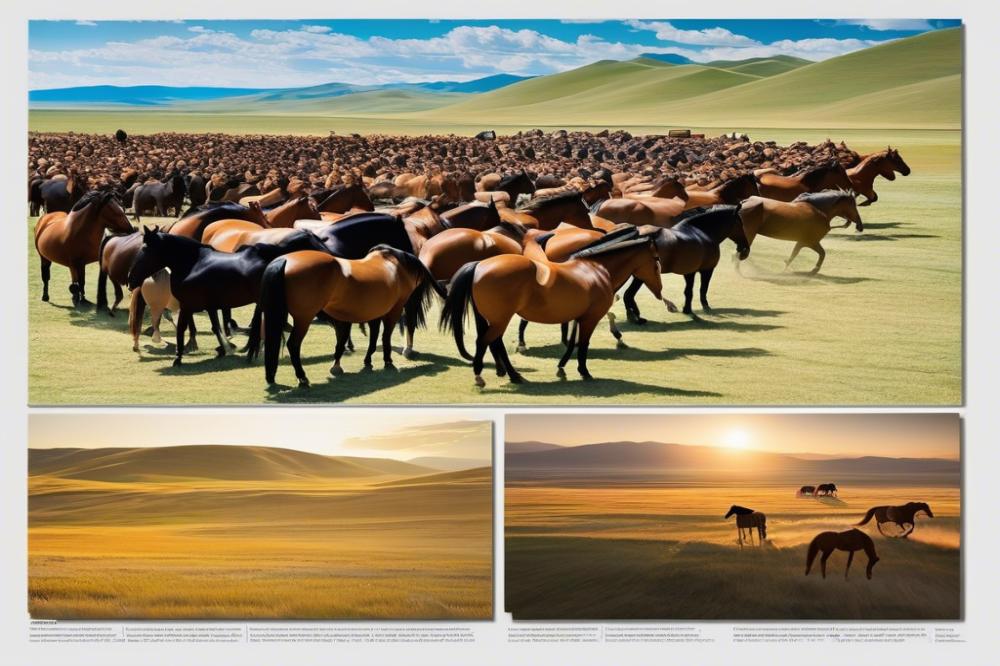
Mongolia is home to several distinct horse breeds. The most famous is the Mongolian horse, known for its hardiness and ability to thrive in rugged terrains. These horses have been part of the culture for centuries. They are often smaller than many Western breeds but are incredibly strong and enduring. Another notable breed is the Takhi or Przewalski’s horse, which is a wild horse native to the region. These breeds hold significant cultural value among the Mongolian people. Traditions and lifestyles are closely tied to horse ownership and usage.
Census and Population Trends in Recent Years
Recent census data indicate a decline in horse populations. Challenges such as climate change and shifting economic conditions contribute to this trend. In 2000, estimates suggested over 2.5 million horses roamed the vast steppes. However, by 2022, numbers reportedly dropped to around 2 million. Authorities are concerned about this decrease since horses are crucial for the rural economy. Surveys also show uneven distributions across the country, influenced by both local demand and environmental factors.
Factors Influencing Horse Population Stability
Various factors affect horse numbers in Mongolia. Livestock management practices play a significant role. Traditional herding methods often prioritize the horses, but modern pressures sometimes lead to neglect. Changes in breeding practices also impact population health. Some ranchers are focusing on improving genetic diversity, while others rely on established local breeds. Finally, market demands affect whether more horses are raised or sold for meat. Economic fluctuations necessitate quick adaptations from herders. Each of these aspects shapes the future of horses in the nation.
Challenges Facing Mongolia’s Horses
Climate change presents a severe threat to grazing lands and water sources. Rising temperatures impact grass growth, making it harder for horses to find sufficient food. Droughts are becoming more common, reducing the availability of freshwater. Nomads increasingly struggle to locate enough pastures for their herds. This situation puts pressure on both the animals and their caretakers.
Modernization and urban expansion alter traditional lifestyles. Many herders are moving to cities in search of better opportunities. This shift disrupts age-old nomadic practices and with it, the bond between people and their horses. Fewer youngsters are interested in learning ancient horsemanship skills, leading to a decline in cultural knowledge. Losing this connection could mean vital traditions fade away.
Conservation is an issue that cannot be ignored. Several rare horse breeds face extinction due to habitat loss and breeding challenges. These distinct breeds are part of Mongolia’s cultural identity. Without concerted efforts to protect them, they may vanish forever. The unique history tied to these animals deserves attention and care.
Urban lifestyles and industrial development further complicate matters. Expanding cities encroach on traditional pastures, squeezing herders out of their lands. Changes in land use limit the natural habitats where horses graze. As populations grow, the balance between nature and human demands gets harder to maintain. Difficult choices must be made about land and resources.
Sustainable Practices for Ensuring Future Survival
Traditional practices play a crucial role in sustainable livestock management in Mongolia. Herding families have long relied on a rotational grazing system. This method allows the land to recover and keeps pastures rich in nutrients. Nomadic lifestyles also support biodiversity. By moving with the seasons, herders prevent overgrazing in any one area.
Community-based conservation initiatives are essential for preserving horse populations. Local groups often organize efforts to share knowledge about sustainable practices. When people work together, they create a stronger support network. These communities promote events that celebrate the horse culture. Such gatherings can inspire younger generations to take an active interest in caring for the herds.
Advancements in horse breeding have also gained momentum in recent years. Breeders now focus on maintaining genetic diversity within herds. This approach helps prevent diseases that can wipe out populations. Additionally, some programs emphasize breeding horses that are well-suited to local environmental conditions. Adapting to challenges posed by climate change is vital for the future of these animals.
Global Context and Its Implications for Mongolia’s Horses
Across the world, horse populations vary greatly. Nations like the United States and Spain boast large numbers of horses. In contrast, Mongolia has a distinct challenge. Its herds are intertwined with cultural practices and daily life. Protecting these animals goes beyond mere numbers.
Global conservation efforts offer lessons for Mongolia. Countries with similar heritage have implemented strategies to safeguard their equine populations. For instance, initiatives focused on habitat preservation have proven effective elsewhere. These could serve as models for Mongolia. It is crucial to consider local conditions, though. What works in one place may not fit another.
International support plays a significant role in this context. Non-governmental organizations often step in to provide resources. They can offer expertise in herd management or veterinary care. Collaboration with local communities is important for success. When people understand the benefits of conservation, they are more likely to participate. Awareness campaigns can help bridge gaps between tradition and modern needs.
These efforts highlight a growing global awareness. People are increasingly concerned about animal welfare and biodiversity. This can lead to more support for countries facing challenges. Mongolia’s horses deserve attention as they symbolize resilience and history. Only time will show how these efforts impact the future of the iconic herds.
Looking Ahead: The Future of Mongolia’s Horses
Mongolia’s horses symbolize more than just a mode of transport. They represent a way of life tied to age-old traditions, integral to Mongolian culture. The challenges they face today due to climate change, urbanization, and shifts in farming techniques cannot be overlooked. As the population grows and modern conveniences take root, the threat to these iconic herds intensifies.
Conservation efforts are crucial if we want to see these magnificent animals thrive. Sustainable practices must be at the forefront of discussions among policymakers and local communities. Collaboration between the government, NGOs, and herders is essential. Together, they can create strategies that protect horse populations while promoting economic resilience.
Preserving equine heritage is not just about saving a species; it’s about maintaining a cultural legacy that has persisted for centuries. Future generations deserve to experience the connection between the land and these beautiful creatures. The bond that people have with horses goes beyond mere utility; it encompasses shared experiences and deep-rooted pride.
A call to action resonates loudly. Everyone can participate in safeguarding the future of Mongolia’s herds. Support for sustainable tourism, community engagement in conservation initiatives, and promoting awareness can make a tangible difference. By taking steps now, we can help ensure that this unique aspect of Mongolia remains vibrant.
In conclusion, the fate of these horses is intertwined with that of their human companions. A collective commitment to preserve this heritage will prove vital in the years ahead, ensuring that the rhythmic sound of hooves continues to echo across the vast steppes.

