
Introduction
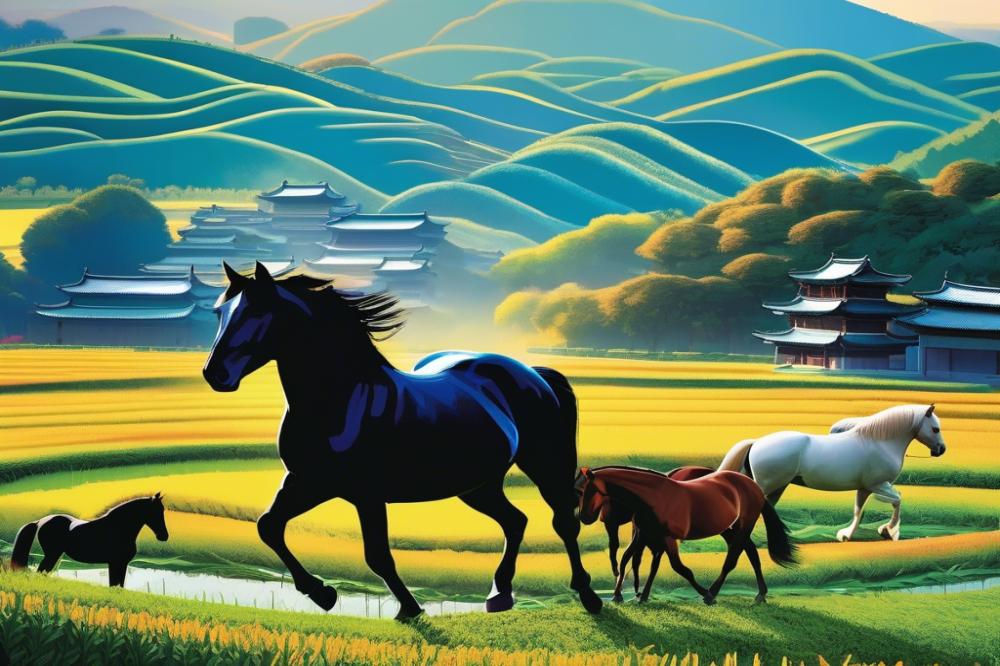
China has a rich history that intertwines with the significance of equines. For centuries, these animals were more than just modes of transportation. They played a key role in agriculture, warfare, and trade. Emperors rode magnificent steeds, and farmers depended on them for plowing fields. Stories of legendary riders evoke a deep respect for these creatures in ancient culture. Such ties to Horses helped shape traditions and values that continue to resonate today.
Despite changing times, their presence remains notable. In today’s fast-paced world, one might question their role in shaping economic landscapes. Advances in technology and urbanization have altered how goods and people move. Yet, the potential for equines in leisure, tourism, and sports persists. These areas are becoming increasingly relevant as society seeks new ways to connect with heritage and nature. People are rediscovering the benefits that come with interaction with these animals.
This article aims to explore the current trends surrounding Horses in China’s evolving economy. It will look at whether there is a decline or a resurgence in their importance. By examining various sectors and cultural attitudes, we seek to understand the multifaceted impact of horses on China’s economy. As old and new perspectives collide, the future of these iconic animals remains a captivating journey to unravel.
The equine industry in China
Historical context of the equine industry
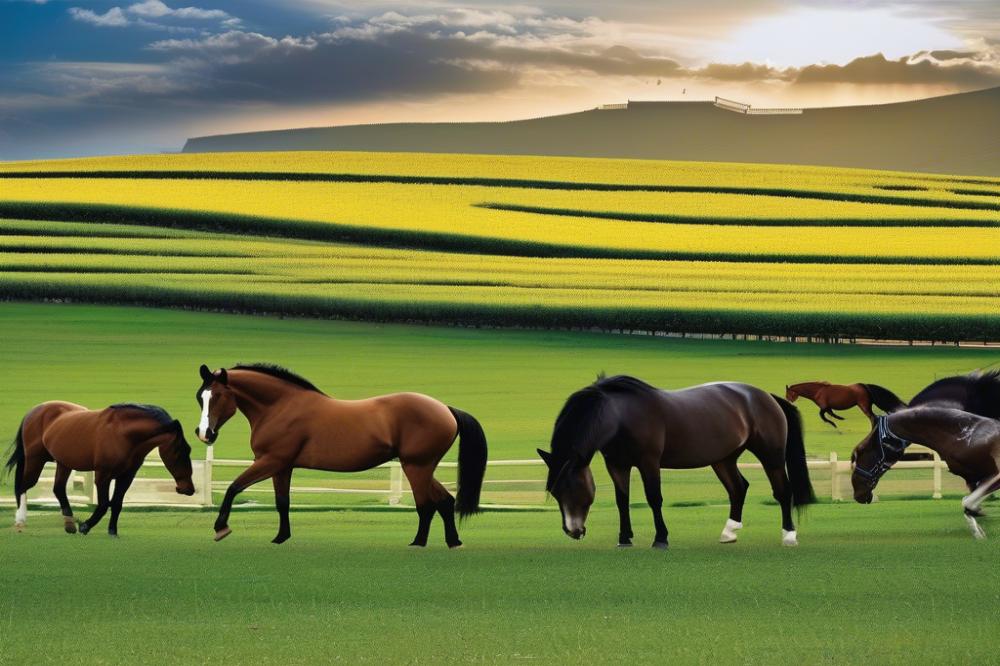
The equine industry in China has deep roots. Horses were once vital for agriculture, transport, and warfare. They played a key role in trade along the Silk Road. Over the centuries, their importance has shifted. The introduction of machinery diminished their traditional roles. However, interest in these animals has not disappeared completely. Cultural events and sporting competitions still celebrate their presence.
Current status of horse breeding and trade
Today, breeding programs vary in quality and scale. Some farms focus on high-end breeds for show and competition. Others target local markets with less costly options. Trade has grown, especially as interest in recreational riding increases. However, the market remains fragmented. Many small breeders struggle to compete with larger enterprises. Regulations surrounding animal welfare and breeding also shape the landscape. Challenges in maintaining quality and health standards can emerge.
Economic contributions of the equine industry
This sector contributes to local economies in several ways. It supports tourism through events like equestrian shows and festivals. Moreover, businesses associated with feed, supplies, and veterinary care thrive. Employment opportunities exist across various levels, from farming to retail. Many communities rely on horses for leisure activities, which fosters regional growth. The industry has the potential to encourage rural development. However, public awareness of these contributions is still growing.
Challenges faced by the industry
New hurdles confront the equine sector today. Urbanization leads to reduced space for farms and pastures. As cities expand, the land available for breeding diminishes. Additionally, competition from other leisure activities is intense. Many young people are drawn to technology and urban lifestyles. Economic fluctuations can also impact investment in the industry. Moreover, health issues related to horse care and welfare present ongoing concerns. Each of these challenges can affect the future of this sector in complex ways.
Agriculture and Horses
Horses in Traditional Agricultural Practices
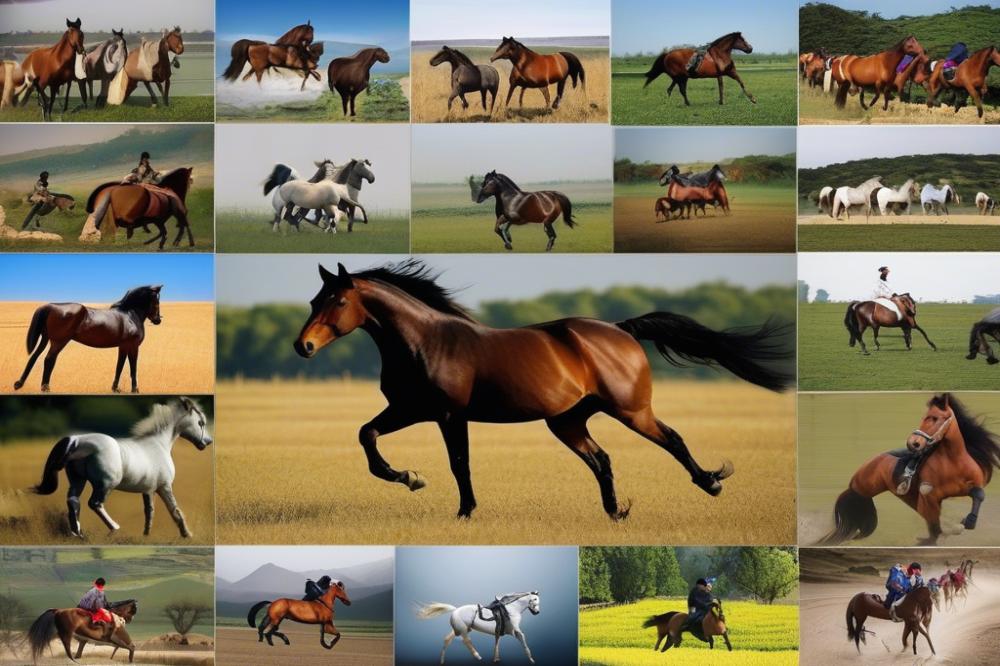
In ancient China, these animals played a vital role in agriculture. They were used for plowing fields and transporting goods. With their strength, farmers relied on them for heavy tasks. This connection to the land helped communities thrive. Various regions had specific breeds suited to local conditions. Each breed came with its own charm and utility.
Role in Rural Development and Livelihoods
In rural areas, these animals contribute significantly to families. Many households depend on them for daily tasks. They make farming more efficient, allowing families to increase production. Income from agricultural activities can directly affect local economies. When rural communities prosper, the entire region benefits. Cultural traditions also intertwine with the agricultural cycle, further enhancing their importance.
Impact of Modern Technology on Traditional Practices
The rise of modern technology brings both challenges and advantages. Mechanical tools and machinery have changed how farming is done. These advancements can make processes faster and easier. However, some traditional methods may be slipping away. There’s a danger that reliance on machines may crowd out traditional skills. Balancing technology with time-honored practices remains a challenge for many.
Sustainability Practices within Agricultural Horse Use
Concerns about sustainability are shaping agricultural practices. Using animals can be more eco-friendly than machines. They produce natural fertilizer and require less fossil fuel. Many farmers are exploring this blend of old and new methods. This approach promotes soil health and biodiversity. Efforts to blend modern techniques with sustainable practices are ongoing. Communities are looking at ways to keep traditions alive while embracing change.
Horses in Tourism and Traditional Culture
Significance of Horses in China’s Cultural Heritage
China has a rich cultural history that intertwines with the bond between humans and animals. These majestic creatures symbolize strength, freedom, and loyalty. From ancient times, they have played an important role in warfare, transportation, and agriculture. Today, this cultural legacy still resonates deeply in various regions. Festivals, stories, and artworks often celebrate their place in Chinese traditions. As society evolves, there is an ongoing effort to keep this heritage alive.
Tourism Ventures Involving Horseback Riding and Equestrian Events
Tourism has embraced horseback riding and equestrian events as key attractions. Many scenic areas invite visitors to experience nature from the back of a horse. Riders can explore beautiful landscapes and distant mountains, adding a special touch to their trip. Some regions even host equestrian competitions, drawing both local and international audiences. These events serve as a celebration of skills and tradition, enhancing their appeal to tourists. People often seek these experiences, looking for something different during their vacations.
The Balance Between Cultural Preservation and Economic Gain
Finding a balance between protecting cultural heritage and making money can be challenging. Many locals see tourism as a way to boost their economy. However, they worry about the impact on traditional practices. Visitors sometimes change the way things are done, leading to tensions. Some communities find they must adapt to new trends while still honoring their past. It is crucial to navigate this pathway carefully. Respecting traditions, while also inviting visitors, is essential for a harmonious relationship.
Potential for Growth in Horse-Related Tourism
Growth opportunities in horse-related tourism are promising. Many people are eager to engage with authentic experiences. More destinations could develop programs focusing on horseback riding and deeper cultural connections. Training locals to share their knowledge with tourists can create richer experiences. Additionally, special tours highlighting historical importance can attract curious travelers. With the right approach, the future could be bright for this niche in the tourism market. Promoting these experiences could bring both cultural appreciation and economic benefits.
Sports and Recreation
Development of Equestrian Sports in China
Equestrian sports in China have gained popularity in recent years. Many young people are drawn to activities like show jumping and dressage. These sports showcase impressive skill and strength, attracting new talent. Public interest has surged, leading to more riding schools and training facilities. The growth of competitions is transforming how people view these activities. Horses are no longer just seen as work animals; they are now part of recreational activities.
Infrastructural Investments and International Competitions
The government has prioritized equestrian infrastructure. New arenas and riding tracks are popping up in urban and rural areas. Investments have also been made to attract international events. Major competitions now take place regularly in cities like Beijing and Shanghai. These events draw participants and spectators from around the world. Such exposure helps raise the profile of equestrian sports within society.
Impact of Horseback Riding on Urban and Rural Lifestyles
Horseback riding changes the dynamics of both urban and rural living. In cities, riding schools often serve as community hubs. They offer a unique way for people to relax and connect. In rural areas, horseback riding remains rooted in tradition. It enables farmers and locals to maintain their ties to the land. These activities foster a sense of belonging among community members, bridging gaps between different lifestyles.
Promoting Horseback Riding as a Means of Physical Health and Leisure
Health benefits linked to horseback riding are significant. This activity promotes fitness and can improve mental well-being. Many organizations stress the importance of outdoor exercise. Participating in horseback riding can lead to lower stress levels and improved focus. Various local initiatives encourage families to enjoy this pastime together. Promoting riding as both a leisure activity and a form of exercise is essential in the modern world. More people are beginning to understand its positive impact on their health and happiness.
The Future of Horses in China’s economy
The future of horses in China’s economy hangs in a delicate balance. Current trends show signs of both decline and resurgence. Some regions have witnessed a drop in equestrian activities. Urbanization and changing lifestyles have impacted traditional ways.
At the same time, an interest in horse racing and sports is growing. Many younger people are now taking up horseback riding. This shift reflects a change in culture and lifestyle preferences. Equine tourism also shows promise, drawing visitors who want to experience riding in scenic landscapes.
The Role of Government Policies and Initiatives
Government policies play a significant role in shaping the equine industry. Recent initiatives aim to promote sports and tourism related to horses. Investments in infrastructure may lead to increased participation. Support for breeding programs can also revitalize horse populations. These measures can stimulate local economies and create jobs.
However, attention to animal welfare is crucial. Regulations need to protect the interests of the horses while boosting the market. Local governments are beginning to recognize this importance, leading to more balanced policies.
The Need for Innovation and Sustainability in the Equine Sector
Innovation is key for revitalizing the equine sector in China. Modern breeding techniques and better training methods should take priority. Adopting sustainable practices like eco-friendly stables could help as well. This approach not only benefits the horses but also appeals to environmentally conscious consumers.
In addition, aligning with global standards can aid in creating growth opportunities. Focusing on health and ethical treatment will enhance the sector’s image. New technologies might provide exciting avenues for development that are currently unexplored.
Potential Global Implications for Horse Populations
China’s evolving horse industry could have worldwide consequences. As demand for horses grows, breeding techniques may spread to other regions. Sustainable practices in China might set new benchmarks globally. This could inspire other countries to adopt similar measures.
Changes in China might also affect international markets. As more people engage with horses, the import and export of equine products could rise. Conversely, any decline in local populations may lead to greater reliance on foreign sources.
The dynamics of horse populations are intertwined with social and economic factors. Observations of these trends can offer insights into the future of the industry. Careful attention is needed to navigate the challenges ahead.
Final Insights on the Role of Horses in China’s Modern Economy
Summary of Diverse Roles
In today’s China, the roles played by horses encompass various sectors. They contribute to agriculture through transport, support tourism by enhancing experiences, and even participate in sports. People find joy in equestrian activities, which also fosters community spirit. Different regions embrace horses for their cultural value, preserving traditions that date back centuries.
Future Outlook
The future seems bright, yet it is not without challenges. As urbanization continues, people may overlook the importance of these animals. However, this could also spark a renewed interest in sustainable practices. Young generations might seek ways to connect with nature, including the equine industry. Innovative approaches, like using technology in training and care, can bridge the gap between tradition and modernity.
Call to Action
Stakeholders within the equine industry must adapt to the evolving landscape. This involves investing in education to raise awareness about the benefits of these creatures. Engaging communities can promote participation in equestrian events, boosting local economies. Additionally, collaboration across different sectors, such as agriculture and tourism, can lead to new opportunities. Embracing change while honoring historical significance will be crucial. The time to act is now; together, a vibrant future awaits.

