
The UK’s equestrian heritage at Risk: Is Horse Ownership in Decline?
Overview of equestrian heritage in the UK
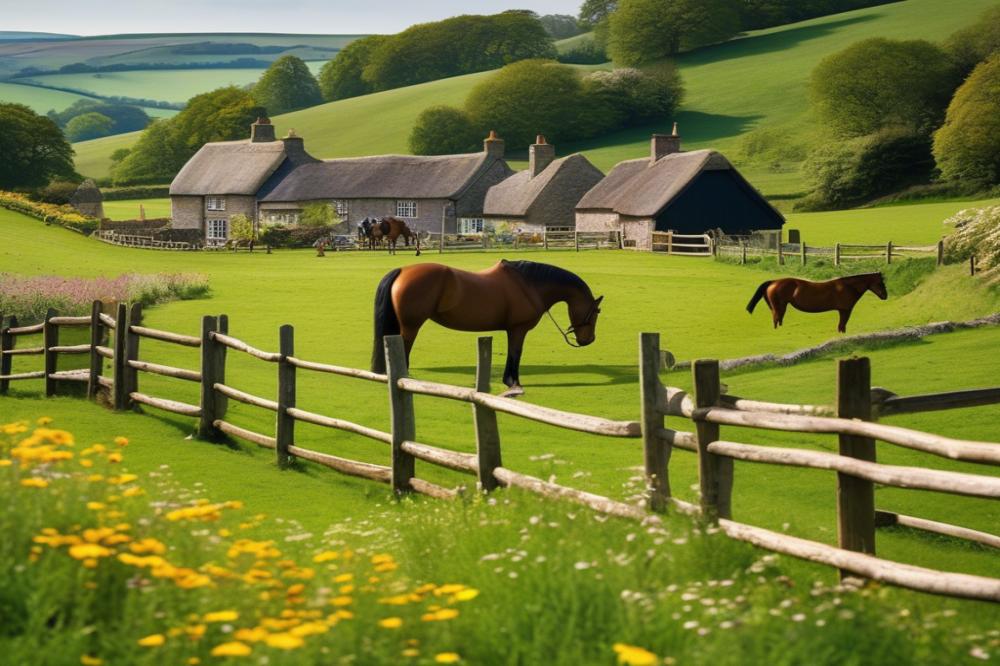
The tradition of horseback riding runs deep in the fabric of the UK. From historical figures riding into battle to modern-day sports like show jumping, horses have played a vital role. This deep-seated connection is more than just a pastime; it is part of the national identity. Many rural communities still celebrate local events that center around equestrian activities, fostering bonds between people and nature.
Importance of Horse Ownership and Riding Culture to Rural Communities
Horse ownership serves as a cornerstone for many in the countryside. It helps maintain practices that connect individuals to their heritage. Riding schools, training grounds, and local competitions create vibrant communities. Young riders often look up to experienced horsemen and women as mentors. This exchange nurtures a sense of belonging and encourages skills to be passed down through generations.
Discussion on the Significance of Horses in the UK Economy
The economic impact of horses is not dull. They contribute significantly to rural economies through various avenues. Are you aware of how much money is generated by events like races and equestrian shows? These gatherings draw crowds and generate millions in ticket sales, tourism, and local business support. Yet, there are worries about a horse ownership decline. The shift in lifestyle choices and increased costs can deter new owners, threatening this rich history.
The Current State of Horse Ownership in the UK
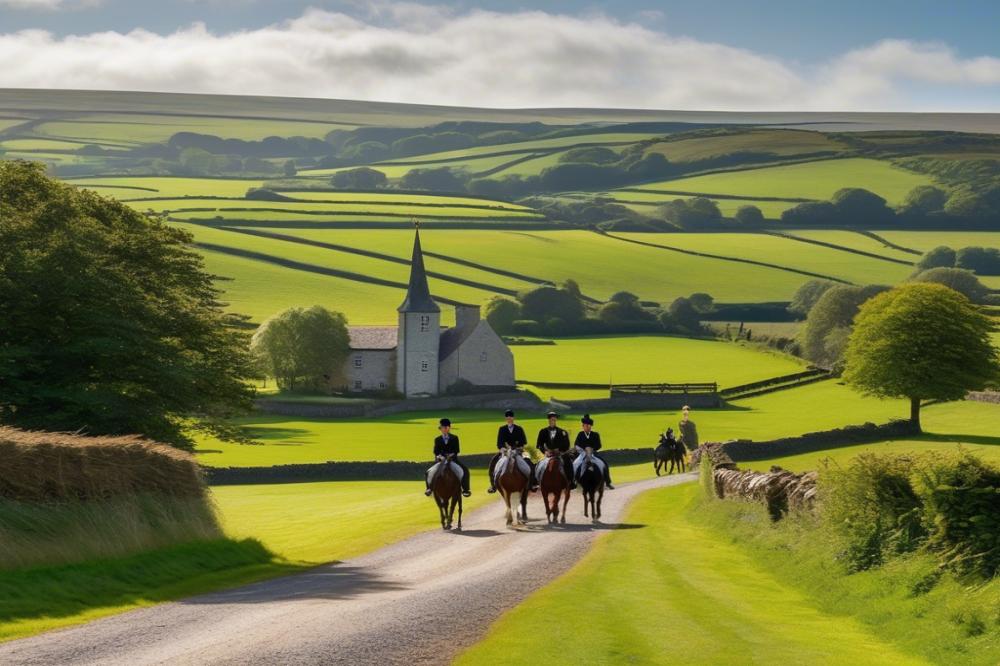
Horse ownership in the UK is experiencing notable changes. Recent statistics show a decline in the number of horse owners. In fact, from 2010 to 2020, ownership dropped by about 20%. Many people view this shift with concern, as it threatens the deep-seated traditions of horse culture. The significant drop in numbers raises questions about the future of riding and care practices.
Statistics on Horse Ownership Trends
Current surveys reveal that around 900,000 horses reside in Britain. While these numbers still appear robust, the ownership rate has waned. Young adults, in particular, are less likely to engage in horsekeeping. Interest in riding has shifted towards recreational use rather than ownership. The increased costs of keeping a horse contribute significantly to this decline.
Demographic Changes in Horse Ownership
Demographics are also changing within the equine community. Traditionally, young girls dominated the profile of horse owners. Today, adults from diverse backgrounds are entering the scene. However, many remain unable or unwilling to pursue horse ownership. Factors like age, economic status, and lifestyle choices impact these developments. As a result, the community is evolving in unexpected ways.
Impact of Urbanization and Changes in Rural Lifestyles
Urbanization plays a pivotal role in the decline of horse ownership. As more people move to cities, access to land diminishes. Horse ownership often requires space for stables and grazing. Additionally, the rise of urban lifestyles leads to fewer individuals who can commit to the time and resources needed for equine care. Rural areas, once vibrant hubs of equestrian activity, are slowly shifting towards different economic activities.
Changing hobbies also reflect these transformations. New generations prefer experiences like digital entertainment over traditional pastimes. Riding schools and equestrian clubs face challenges in capturing youthful interest. Many organizations struggle to attract new participants, impacting the overall vibrancy of equestrian activities.
Factors Contributing to the Decline of Horse Ownership
Economic Challenges Facing Horse Owners
High expenses create a barrier for many potential horse owners. The economic climate has changed significantly in recent years. Increased prices on essentials such as feed, training, and veterinary care can push people away from horsemanship. Many families struggle to meet their monthly bills, making horse ownership seem like an unattainable goal. Job instability and inflation further intensify this issue, affecting discretionary spending. For individuals who already own horses, the financial burden often leads to tough decisions.
Rising Costs of Horse Care and Welfare
Basic care for a horse can be quite costly. Monthly costs add up quickly, encompassing stable fees, food, and health care. Now, more than ever, owners are realizing that these animals require ongoing attention and resources. Emergency veterinary services can leave a dent in any budget. Hidden costs, like farrier visits and equipment, also play a role. The rising cost of living affects everyone, but horse people often feel it more acutely. Many owners are forced to reassess their commitment due to these financial strains.
Declining Participation in Equestrian Sports and Activities
Interest in equestrian sports has noticeably decreased. New generations show less enthusiasm for traditional horse riding and related activities. With the digital age, many engaged in virtual pastimes prefer screens over stables. Changes in lifestyle and priorities have caused people to drift away from outdoor activities. Event attendance has fallen, leading to fewer competitions and fewer horses being needed for them. The decline in participation doesn’t just impact individuals; it affects local economies and riding schools as well. As participation wanes, the future of horse ownership hangs in the balance.
The Role of Riding Schools and Training Facilities
Riding schools play a vital role in introducing new riders to the world of horses. These places offer lessons that help students develop essential skills. Many individuals may find a love for riding in these friendly environments. However, not all riding schools remain open. Some face challenges that threaten their existence.
Financial pressures have become a significant issue. The cost of maintaining facilities and caring for horses has risen sharply. Competition with other leisure activities also affects enrollment numbers. Families sometimes prioritize different hobbies for their children. As a result, the number of people engaging in horseback riding is slowly declining.
When riding schools close, the impact extends beyond just the loss of lessons. Communities miss out on shared experiences, competitions, and local events. The culture surrounding horse riding becomes diminished. Fewer facilities lead to fewer opportunities for riders to come together.
Potential Solutions to Support Riding Schools
To address these challenges, various solutions can be considered. Local governments might provide grants or financial support to help keep facilities functioning. Community involvement could also play a crucial role. Volunteering at schools can strengthen relationships between riders and local equine enthusiasts.
Additionally, promoting awareness about the benefits of horse riding is vital. Schools could collaborate with riding facilities to offer introductory programs. This could spark interest among younger generations. Encouraging families to try lessons together might rekindle their passion for this activity.
By finding ways to connect with potential riders, the future of riding schools might brighten. Fostering a culture that appreciates and values these institutions could reverse current trends. Active support from riders, trainers, and communities can lead to a surge in participation. Together, these efforts might sustain the facilities that have long nurtured equestrian skills and bonds.
Impact of Declining Horse Ownership on Equestrian Heritage
The decline in horse ownership is having a significant impact on various aspects of equestrian life. Traditional practices related to horse care and riding are fading away. Skills passed down through generations are in danger of being lost. The knowledge of how to train and care for horses may vanish if fewer people participate in the equestrian world.
Rural communities feel the effects too. Many small businesses rely on local equine activities for their livelihood. Riding schools, tack shops, and farriers all depend on a vibrant horse community. When ownership decreases, these businesses struggle to stay afloat. The social fabric of rural areas often revolves around equestrian activities, creating strong bonds among neighbors. With fewer people involved, this sense of community also diminishes.
Furthermore, horse welfare becomes a critical concern as ownership declines. Responsible ownership is essential for maintaining standards of care. Without proper attention, horses may suffer neglect. This brings to light the importance of educating potential owners about their responsibilities. Sustainable practices in horse management could help preserve the culture surrounding these animals.
As the charm of horse ownership wanes, we must ask: what does this mean for our heritage? The connection to our past seems at risk. Preserving this relationship goes beyond mere ownership. It requires a commitment to understanding and nurturing the bond with these majestic animals.
Preservation Efforts and Future Prospects
Across the UK, various initiatives aim to spark interest in horse ownership and riding. Riding schools play a vital role in introducing individuals to the joy of horseback riding. Many local communities host events that promote equine activities, which attracts new riders and enthusiasts alike. Programs designed for young people encourage hands-on experience with horses. These programs also emphasize the bond between horses and humans, fostering a deeper appreciation for equestrian activities.
Organizations dedicated to equestrian culture provide essential support in many forms. They offer resources to both potential horse owners and experienced riders. Financial assistance for riding lessons helps make the experience accessible to a broader audience. By organizing competitions and shows, these groups create exciting opportunities for riders to showcase their skills. Awareness campaigns focus on the importance of horses in society, striving to resonate with current and future generations.
Looking ahead, a vision for the future unfolds. Communities can play a significant part in cultivating passion for horseback riding. Partnerships between schools and equestrian programs could attract new talent. Promoting rural tourism that highlights horse riding may also boost local economies. The aim is to inspire a new wave of horse lovers. With the right support, the passion for riding may thrive, securing the legacy of UK equestrianism for years to come.
Final Thoughts on the Future of Horse Ownership in the UK
The decline in horse ownership poses a significant threat to traditional practices and cultural legacies. Many aspects of life in the UK revolve around equestrian activities, from competitive sports to casual leisure. Research indicates a drop in the number of horse owners, with implications that stretch beyond mere numbers. This trend could lead to diminished opportunities for horse riding and reduced community engagement around this beloved pastime.
Stakeholders must step up to promote horse welfare and ownership. Local governments, riding schools, and equestrian societies can foster initiatives that attract new enthusiasts. Workshops, affordable riding lessons, and community events could ignite interest in horse ownership. Collaborating with local businesses for sponsorships could also enhance visibility and accessibility. By joining forces, stakeholders can help sustain this cherished part of rural life.
Looking ahead, the UK’s equestrian culture faces both challenges and opportunities. Younger generations might turn away from traditional ownership due to urbanization and financial constraints. Yet, there is hope in rising interest in outdoor activities and a shift towards sustainable practices. If nurturing these interests remains a priority, horse ownership and its associated traditions can thrive. The future depends on collective efforts today. Without action, we risk losing a vital part of our heritage.

