

Introduction
horse genetics refers to the study of heredity and variation in horses. This field investigates how characteristics and traits are passed down from one generation to another. Understanding these principles is crucial for anyone involved in horse breeding. Genetics plays a central role in determining qualities such as speed, strength, and temperament.
The significance of genetics in the context of horse breeding cannot be overstated. Breeders rely on genetic knowledge to produce horses that meet specific standards and purposes. By focusing on desirable traits, successful breeding techniques can be developed. This leads to better performance animals, whether for racing, work, or companionship. Knowledge about genetics helps in minimizing risks of genetic disorders, which can impact a horse’s health and usability.
This article aims to highlight the importance of genetics in horse breeding. It will explore various aspects, including how traits are inherited and the implications for breeding decisions. Readers will gain insights into effective breeding strategies rooted in genetic understanding. Understanding these concepts will help both new and experienced breeders alike in their efforts to produce exceptional horses.
Understanding horse genetics

Basic Principles of Genetics and heredity
Genetics is the study of heredity, or how traits are passed from parents to offspring. Organisms have genes that carry information. These genes determine various characteristics, including color, size, and temperament. Each horse inherits half of its genetic material from each parent. This mixing of traits is what makes every horse different. Some traits are visible, like coat color, while others may not be seen, such as certain behavioral tendencies. Scientific principles help us understand these patterns. Through breeding, one can select specific traits to enhance or eliminate in future generations.
Genes and Traits in equine Biology
In equine biology, specific genes control equine traits. For instance, a horse’s speed is influenced by several genetic factors. Speed may also be tied to temperament and physical structure. Certain breeds have been developed for specific abilities, like racing or work. Responsible breeders study these traits closely. They look for not only desirable characteristics but also potential health concerns. For example, breeding for specific colors can sometimes lead to ignoring health risks. Balanced breeding practices focus on both appearance and health.
Role of Genetic Diversity in Maintaining Healthy Populations
Genetic diversity is crucial for the overall health of horse populations. A wide genetic pool helps prevent inherited diseases. When horses are bred too similarly, some genes can become too prevalent. This can lead to problems in the horses’ health or abilities. Breeders should strive to maintain a heterogeneous gene pool. This practice promotes stronger and healthier horses. By introducing new bloodlines, breeders increase the chance of varied traits. A healthy population can adapt better to changing environments. Diverse genetics support resilience against diseases and environmental changes.
Importance of Selective Breeding

Definition and Goals of Selective Breeding
Selective breeding involves choosing specific animals for reproduction based on desired traits. The main goal is to enhance certain characteristics in future generations. Breeders focus on attributes like speed, endurance, and temperament. By carefully selecting parents, they aim to produce offspring that outperform their predecessors. This practice allows breeders to create horses that excel in various disciplines.
How Genetics Influences Breeding Decisions
Genetics plays a critical role in making breeding decisions. Understanding the genetic makeup of horses helps breeders predict traits in offspring. Each horse carries a combination of genes from its parents. These genes determine physical traits and behavior. Knowledge of lineage enables breeders to make informed choices. Selecting horses with complementary traits increases the likelihood of achieving desired outcomes. Variations in genetic traits can lead to significant differences in performance.
Case Studies Highlighting Successful Selective Breeding Programs
Breeders have achieved great success through selective breeding programs. Thoroughbreds, for example, are renowned for their speed due to meticulous breeding practices. The Arabian horse also showcases the effectiveness of selective breeding with its endurance and adaptability. Harness racing breeds owe their performance to careful selection of the fastest individuals. These examples illustrate how genetics can lead to exceptional horses, showing the power of thoughtful breeding approaches.
Genetic Traits and Performance
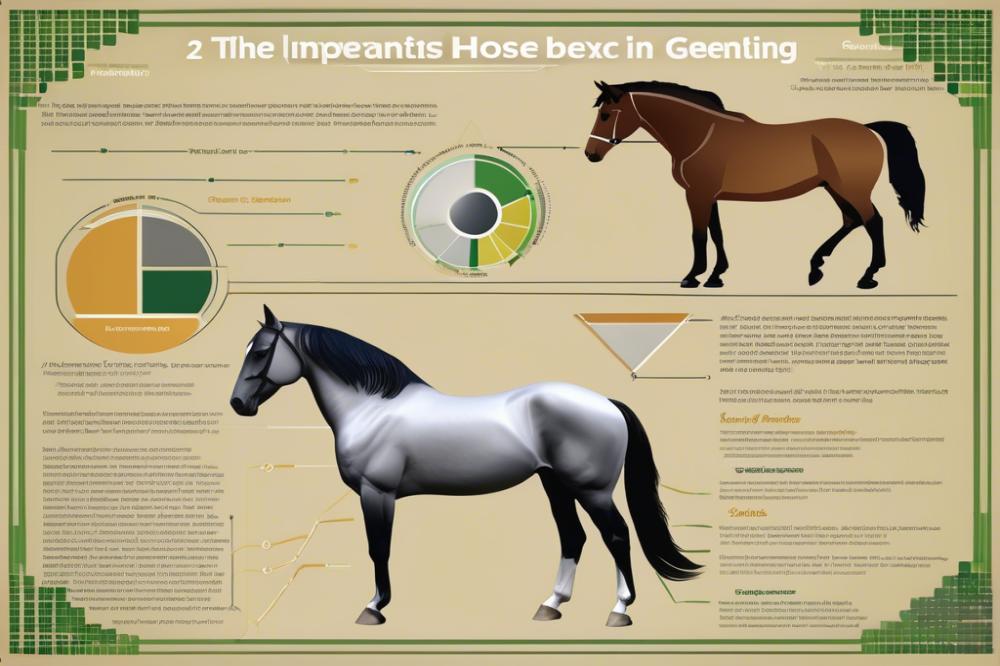
The role of genetics in shaping horse performance cannot be underestimated. Specific traits can significantly affect how well a horse can perform in various equestrian disciplines. Some of these traits include speed, endurance, and agility. Each of these aspects is influenced by the genetic makeup of the horse.
Key Performance Traits Influenced by Genetics
Many genetic factors contribute to a horse’s performance capabilities. Speed is often linked to certain inherited traits that affect muscle structure and function. Endurance can be tied to the horse’s heart and lung capacity, which are also influenced by genetics. Horses that excel in competitive sports often possess a combination of these traits.
Conformation and Its Genetic Basis
Conformation refers to the physical structure of a horse. Good conformation is essential for optimal performance. A horse must have the correct balance and proportions to move effectively. This aspect is determined largely by genetics. Breeders often assess a horse’s lineage to predict its conformation. Traits like leg length, back shape, and overall body size come from the genetic background of the animal.
Relationship Between Genetics and Athleticism in Horses
Genetics play a major role in a horse’s overall athletic ability. Horses that are bred from a lineage of successful competitors are more likely to inherit traits that enhance performance. These traits include not only physical strength but also trainable qualities like temperament and focus. Smart breeding choices can elevate the athletic standards of a bloodline. Understanding how genetics work allows breeders to make informed decisions when selecting horses for training and competition.
Health and Genetic Considerations
breeding horses involves careful thought about health issues. Many breeds face specific genetic disorders. Conditions such as osteochondrosis and equine polysaccharide storage myopathy are often seen in particular breeds. Awareness of these issues is crucial for breeders.
Genetic testing plays a vital role in promoting horse health. This testing identifies carriers of certain diseases. By recognizing these traits, breeders can make informed decisions. Avoiding pairing horses that carry harmful genes can reduce problems in future generations.
Effective strategies for breeding focus on improving health outcomes. Selective breeding for less common disorders can enhance overall fitness. Choosing horses with a strong genetic background supports better resistance to illness. Combining traits from various bloodlines may also provide robustness.
Responsible breeders prioritize health alongside performance standards. They show a commitment to understanding inherited conditions. Knowledge of a horse’s lineage enables breeders to assess risks accurately. Healthier horses not only thrive but also contribute positively to the equestrian world.
Communication about genetic health concerns is vital among breeders. Sharing information creates a community effort to reduce risks. Support from veterinarians and researchers enhances this mission. Together, they highlight the significance of genetic responsibility in horse breeding.
Lineage and Its Role in Breeding Programs
Understanding lineage in equine breeding
Lineage refers to a horse’s family tree. Each horse carries traits from parents, grandparents, and even further back. Breeding involves more than just choosing a horse that looks good. It’s about genetics that influence behavior, health, and performance. When breeders understand a horse’s lineage, they can make informed choices. This knowledge helps predict future abilities and characteristics.
Importance of pedigree analysis
Pedigree analysis is key to successful breeding. It provides details about a horse’s ancestry. Evaluating a pedigree allows breeders to identify specific traits and tendencies. This process can highlight strengths and weaknesses in a horse’s family. By studying various generations, breeders can discover patterns and important traits. Such patterns might include speed, stamina, or temperament. Knowing these traits helps breeders avoid undesirable characteristics.
Incorporating lineage into breeding strategies
Incorporating lineage into breeding strategies enhances outcomes. Breeders should include information from several generations in their plans. By selecting horses with complementary traits, they increase the chances of producing superior foals. It’s vital to match traits wisely. A thoughtful approach to lineages leads to healthier and more capable offspring. Planning carefully can help maintain genetic diversity, which is essential for any breeding program. Ultimately, success in horse breeding relies heavily on understanding and utilizing lineage.
Challenges in Equine Genetics
Managing genetic diversity in breeding programs
Maintaining genetic diversity is crucial in breeding programs. A diverse gene pool promotes healthier horses. Breeders must carefully select mating pairs to avoid limiting variation. Choosing the right combinations requires extensive knowledge and careful planning. Each horse carries its own history and characteristics. This complexity helps prevent specific health issues from becoming common. A lack of diversity can lead to problems that might affect an entire breed. Therefore, breeders must be vigilant and informed.
Navigating genetic bottlenecks and inbreeding
Genetic bottlenecks can severely impact a population. These occur when a large portion of a breed is lost, reducing genetic variation. Often, this happens after natural disasters or human actions. Inbreeding may arise when breeders use a limited number of horses repeatedly. While inbreeding can enhance certain traits, it can also introduce genetic disorders. Horses resulting from such practices may face health challenges down the road. Awareness of these risks is essential for breeders aiming for long-term success.
Future directions in equine genetics research
Research in equine genetics is advancing rapidly. Scientists aim to identify specific genes related to desirable traits. This knowledge could help breeders make informed decisions. Advancements in technology also allow for better genetic testing. By understanding the genetic makeup, breeders can reduce the likelihood of inherited disorders. Collaborations between breeders and researchers are becoming more common. These partnerships foster innovative practices that benefit the industry. As a result, the future looks promising for healthy, diverse horse populations.
Wrapping Up the Importance of Genetics in Horse Breeding
Genetics plays a critical role in shaping the traits and abilities of equine companions. Breeders must recognize how these genetic factors contribute to the overall health and performance of horses. Understanding heredity helps in predicting the qualities a future foal might inherit. Every choice made in breeding affects not just the individual horse, but the breed as a whole.
Responsible breeding practices are essential for the welfare of the animals. These practices include thorough health screenings and careful selection of breeding pairs. Focusing on conformation, temperament, and athletic ability promotes the betterment of horse breeds. With intention and care, breeders can avoid the pitfalls of inbreeding and genetic disorders.
Lastly, ongoing education in the field of horse genetics is vital for those involved in breeding. Knowledge about equine genetics is constantly evolving, and staying updated is important. Breeders should seek out workshops, seminars, and resources that deepen their understanding. By embracing learning, those in the breeding community can make informed decisions that benefit the horses, their owners, and the sport itself.

