
The Role of Horses in the Maritime Culture of the Shetland Islands
Overview of the Shetland Islands and Their Maritime Culture
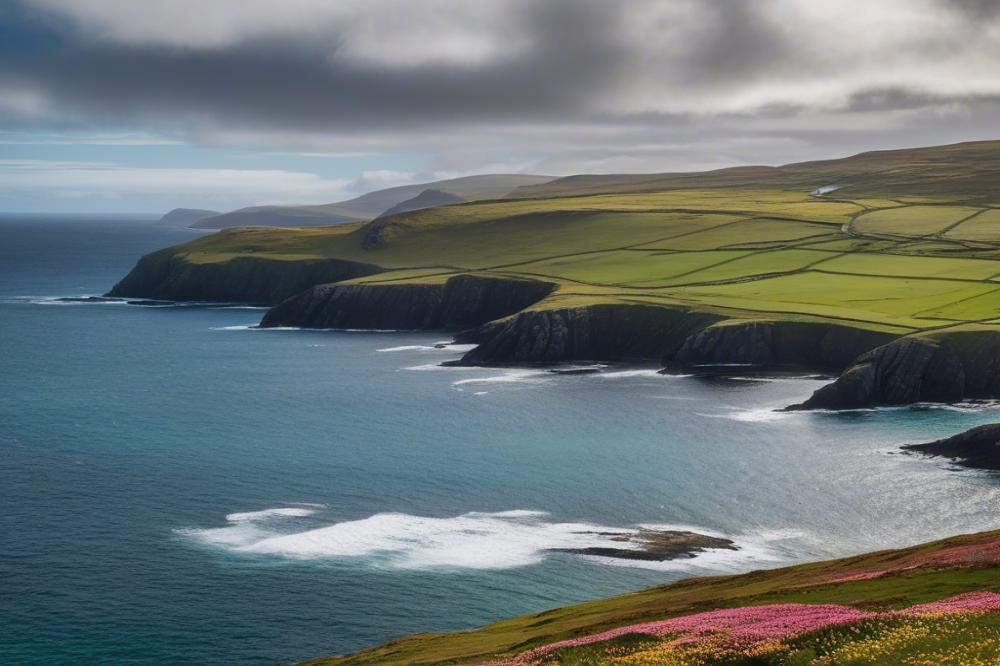
Nestled between the waters of the North Sea and the Atlantic Ocean, the Shetland Islands are a rugged archipelago that showcases a rich maritime culture. This location has shaped the lives of its inhabitants for centuries. Fishing, weaving, and boat building are integral parts of daily life. The islands’ traditions reflect the power of the sea. Stories of seafaring adventures fill the air.
Shetlanders have lived in harmony with nature, relying heavily on marine resources. From ancient times, the ocean has provided food and connection to the outside world. Each island possesses its own stories and lore, often related to the longboats that once ruled these waters. Communities gather around harbors, where the scent of saltwater mingles with tales of the past. In many ways, the culture here dances to the rhythm of the tides.
Importance of Horses in Different Cultures
Across various societies, animals have played critical roles in human life, and the horse is no exception. Many cultures across the globe have celebrated their significance, whether in agriculture, transportation, or even warfare. For some, these majestic creatures signify status, power, or strength. They foster connections between people and their environments.
Understanding their place in history enriches our appreciation of human development. While their functions have evolved over time, the bond between humans and horses still resonates deeply. A horse can symbolize freedom, companionship, and the spirit of adventure.
Purpose of the Article
This article aims to explore the fascinating role that these animals have played in the maritime culture of the Shetland Islands. Investigation into local customs reveals how horses have been intertwined with seafaring life. Contributions to transportation and agricultural practices will be examined closely.
Readers can look forward to discovering the unique relationship between these creatures and the islands’ maritime identity. By sharing stories and insights, the intent is to highlight a lesser-known aspect of Shetland’s heritage. The role of horses in this setting offers a glimpse into the interconnectedness of land and sea.
Horses and equestrian tradition in the Shetland Islands
Historical significance of horses in Shetland
Horses have long been a part of Shetland’s history. They were essential for transportation, agriculture, and social events. Shetlanders depended heavily on them for work in the fields and to pull boats from the water. Communities relied on these animals for survival, especially in earlier times. As centuries passed, horses became symbols of strength and endurance.
Development of equestrian customs and practices
Over time, traditions around equestrian activities evolved. Celebrations often included horse-themed events, showcasing skills and breeds. Riding became not just practical but also a beloved pastime. Locals began to form clubs dedicated to promoting equestrian arts. These groups foster camaraderie and passion for riding in various forms. Annual events like the Shetland Horse Show draw crowds, featuring competitions in dressage and jump events. Families gather to share stories and experiences tied to these cherished animals.
Role of Shetland ponies and Orcadian ponies in local culture
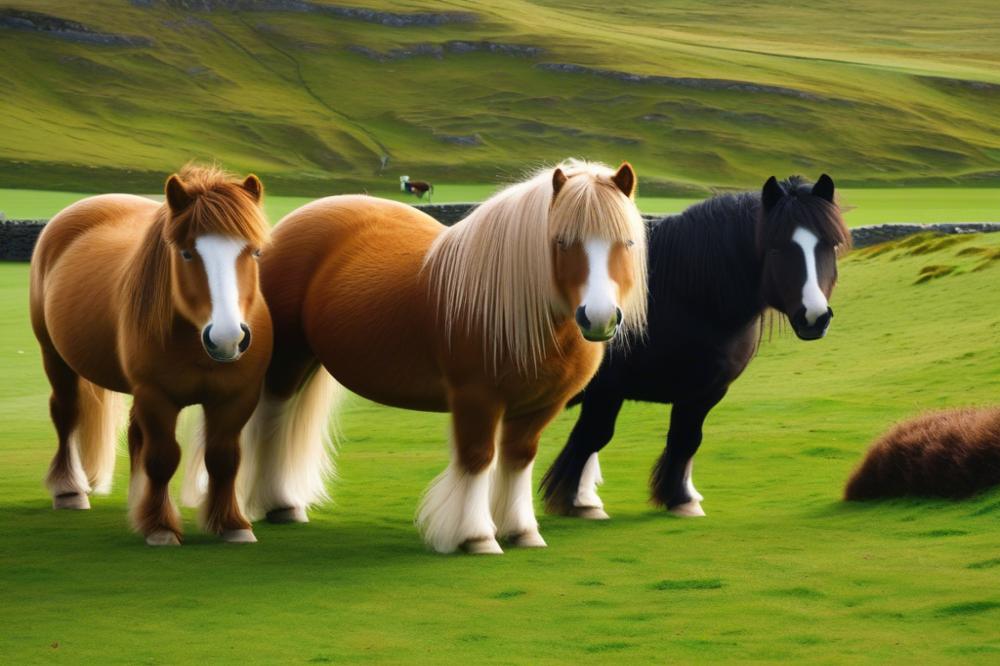
Shetland ponies hold a special place in the hearts of islanders. Known for their sturdy build and friendly nature, they are perfect companions for children and adults alike. They also play a significant role in practical farm work, helping with various tasks. Orcadian ponies, while similar, are appreciated for their versatility and strength. Both breeds represent the region’s agricultural heritage and culture. Towns often commemorate these ponies through festivals and community events. Their presence emphasizes the close bond between the islands and these remarkable creatures.
Horses as Working Animals in Coastal Communities
Functions of Horses in Transportation and Logistics
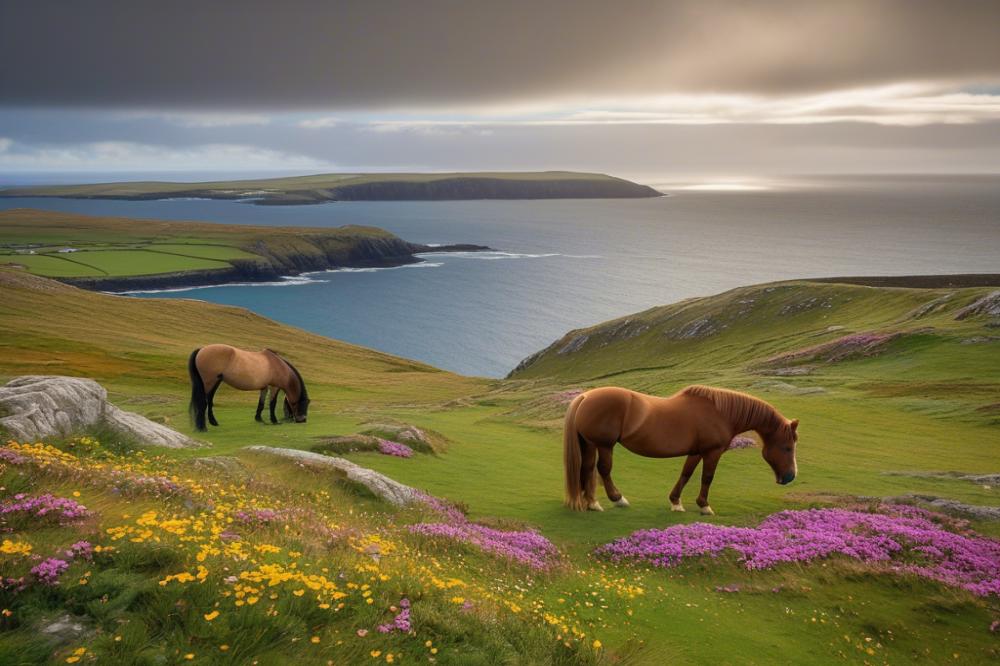
In the Shetland Islands, transportation often relies on the natural abilities of horses. Islanders utilize them to carry goods across rugged terrain. In rough weather, these animals prove to be stalwart partners. They transport supplies to remote locations, connecting communities that are otherwise isolated. Farmers count on their strength to haul materials to and from the docks. This reliance reflects a deep understanding of the land and its challenges. Whether moving fishing gear or other essentials, horses play a vital role in logistics.
Use of Horses in Farming and Livestock Management
Daily tasks on farms often involve using horses for various chores. These animals assist in plowing fields and pulling carts filled with harvested crops. They also help herd livestock, guiding sheep and cattle across the hills. Farmers value them for their intelligence and reliable temperament. Routine tasks become manageable with their support. An effective partnership between humans and these creatures is essential for sustaining local agriculture. Their presence not only aids in productivity but fosters a bond between the farmer and the land.
Impact on the Economy and Daily Life of Islanders
The economic landscape of Shetland significantly benefits from the contributions of these working animals. They create job opportunities in agriculture and transport sectors. Families often engage in cooperative efforts, sharing resources and knowledge. Such practices build community ties and enhance social networks. Islanders find that horses are more than tools; they are part of life on the islands. The rhythm of daily activities often revolves around the needs of these animals. In this way, they become woven into the cultural tapestry of Shetland life.
Social Customs and Horses in Shetland Maritime Culture
Cultural events and festivals involving horses
Shetland’s maritime culture is rich with events that celebrate the bond between people and animals. Each year, the local community gathers for various festivals, showcasing their heritage. One of the most notable events is the Shetland Pony Grand National. This thrilling race draws participants from across the islands. Festivities often include music, food, and games, bringing everyone together. Participation in these celebratory activities fosters community spirit and pride.
Symbolic significance of horses in community traditions
Horses hold great symbolic value in Shetland’s traditions. They represent strength, resilience, and a connection to the sea. In many households, tales of legendary horses are shared during gatherings. Stories passed down through generations remind locals of their history. These narratives also reflect the challenges faced by islanders in adapting to their environment. During special occasions, people often honor this connection with rituals or songs, deepening their appreciation for these animals.
Relationships between horses and the Shetland people
The Shetland people share a profound relationship with their equine companions. Many families rely on them for various tasks, reaffirming the drive to work alongside these animals. Trust and partnership are critical in this bond, as horses help with farming and transportation. Locals often express pride in their ability to care for and train these creatures. Interactions with horses extend beyond labor; they also serve as a source of joy, teaching valuable lessons about responsibility. Through both work and play, the significance of horses is woven deeply into the fabric of daily life in Shetland.
Heritage and Preservation of Equestrian Practices
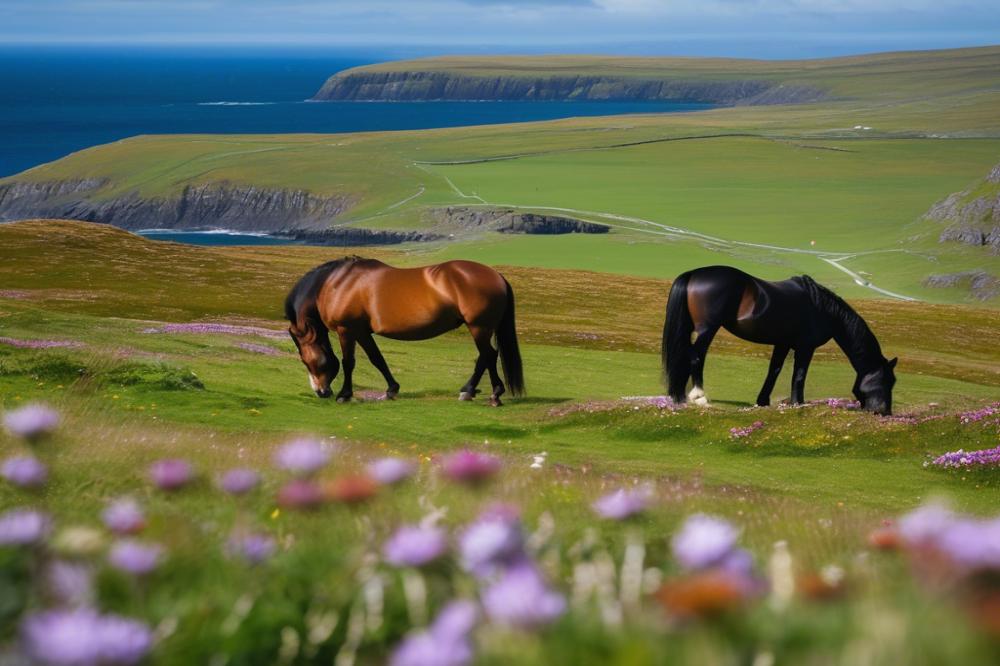
Efforts to preserve equestrian traditions in the Shetland Islands are ongoing and vital. Local groups work tirelessly to keep these customs alive. These organizations host events that celebrate the regions’ rich history and bond communities. Workshops are organized to teach young people the skills related to caring for horses. This fosters a deeper appreciation for their role in local culture.
Educational Programs and Community Involvement
Schools have begun integrating equestrian education into their curricula. This provides students with firsthand experience in handling horses and maintaining stables. Community events also encourage families to participate together. They promote teamwork and instill a sense of pride in local heritage. The involvement of different generations helps pass down important knowledge and stories.
Impact of Modernity on Traditional Horse Culture
Modern influences have changed traditional practices in various ways. Some younger residents prefer different activities over equestrian pursuits. This shift can lead to a decline in skills and customs. However, many are finding ways to blend the old with the new. By incorporating technology, they engage younger individuals while preserving essential customs.
People in the community understand the importance of adapting. They seek to preserve the essence of their traditions while embracing change. Through passion and commitment, they strive to keep their unique culture relevant in a modern world.
Future of Horses in Shetland Maritime Culture
Challenges faced by equestrian practices today
Maintaining equestrian traditions in Shetland is not without its difficulties. There is a decline in young people taking up riding and horse care. Economic pressures also weigh heavily on families, as costs for care and equipment can be substantial. Furthermore, land availability for riding and grazing has shrunk. Increased development on the islands leaves fewer places for horses to roam. These factors threaten the vibrant culture that has existed for generations.
Opportunities for sustainable equestrian culture
Community interest in sustainable practices could help revitalize equestrian activities. Initiatives focusing on local resources might draw attention to traditional riding skills. Promoting awareness about the environmental benefits of keeping horses in a sustainable manner can resonate with residents. Workshops that teach horse care and responsibilities may inspire new generations. Events that celebrate local history and traditions could engage the public and foster a renewed appreciation for equestrian culture.
The evolving role of horses in modern Shetland society
In contemporary Shetland, equestrian activities are adapting to modern needs. Many people view these animals as companions rather than just working animals. This change reflects a broader understanding of their importance in emotional well-being. Riding schools and therapeutic programs have emerged, blending equestrian enjoyment with healing. Families are increasingly using horses for recreational activities, such as trail riding. These experiences help foster a connection to the landscape. This shift offers a chance for deeper community ties through shared passions and experiences.
Wrapping Up the Influence of Horses in Shetland’s Maritime Heritage
The Shetland Islands showcase a deep connection between local life and equestrian tradition. From transporting goods to assisting in farming, these animals played a crucial role in maritime activities. They were not just a means of transportation; they became an integral part of community life. This bond reflects how intertwined the agricultural and maritime aspects of existence are in these islands.
Preserving this equestrian heritage is essential. Once lost, these traditions and skills may never return. By valuing the past, community members can keep the legacy alive for future generations. Efforts to maintain and celebrate these practices should be a priority. Events celebrating local culture can highlight this importance and engage younger folks.
Different cultures place varying emphasis on the role of these animals. In many societies, these creatures symbolize strength, companionship, and resilience. As the Shetland Islands illustrate, this connection can also extend to maritime life, enriching both flesh and spirit. Through understanding these connections, people can appreciate the significance of each tradition.
Ultimately, recognizing the multifaceted role of these creatures is a step toward respecting history. Maritime culture thrives on relationships formed over time, and this particular bond is no exception. Embracing the rich stories and lessons from the past leads to a more profound appreciation of modern life in the Shetland Islands and beyond.

