
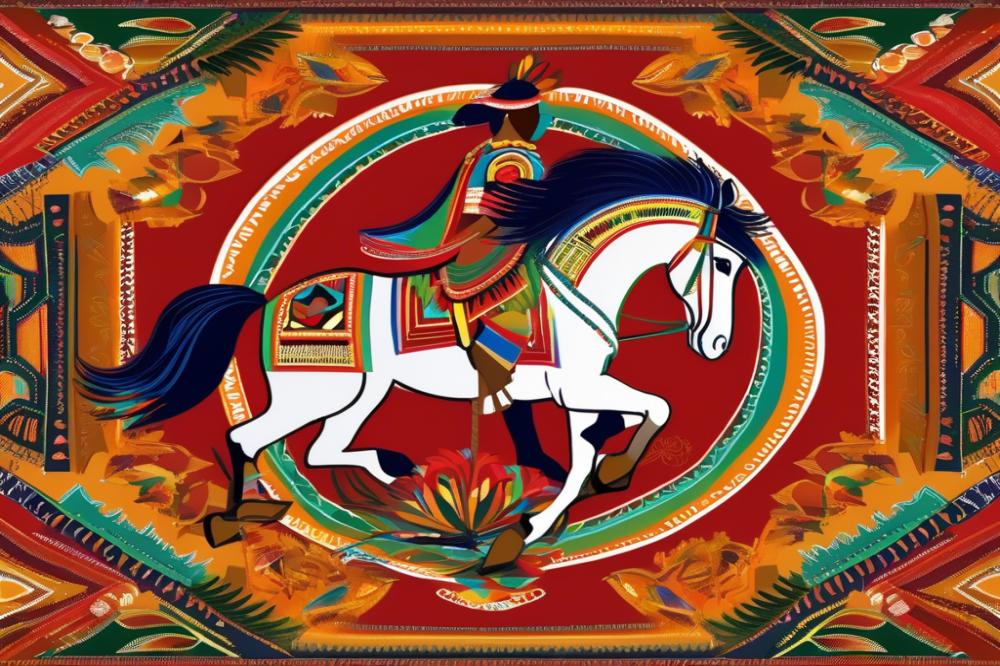
Understanding the Role of Horses in Indigenous cultures
Horses have held a remarkable place in the stories and practices of many cultures around the globe. They symbolize power, freedom, and connection to the land. Various societies have integrated these majestic animals into their traditions and celebrations, highlighting their significance. This is particularly true in Indigenous South American Tribes, where horses have become a vital part of cultural expression.
Many tribes depend on these animals for more than just transportation. Horses are intertwined with spiritual beliefs, serving as companions in rituals and ceremonies. They help to connect communities to their history and their ancestors. During significant events, horses often take center stage, infusing dances and gatherings with an added layer of meaning and richness.
Ritual dances hold immense importance to these communities. They are moments of joy, reflection, and connection. Incorporating horses into these performances creates a unique atmosphere. Observers witness not only the beauty of the dance but also the deep bonds between humans and their equine partners. Horses in Ritual Dances become symbols of unity, tradition, and cultural identity, enriching every event they touch.
Horses in Ritual Dances
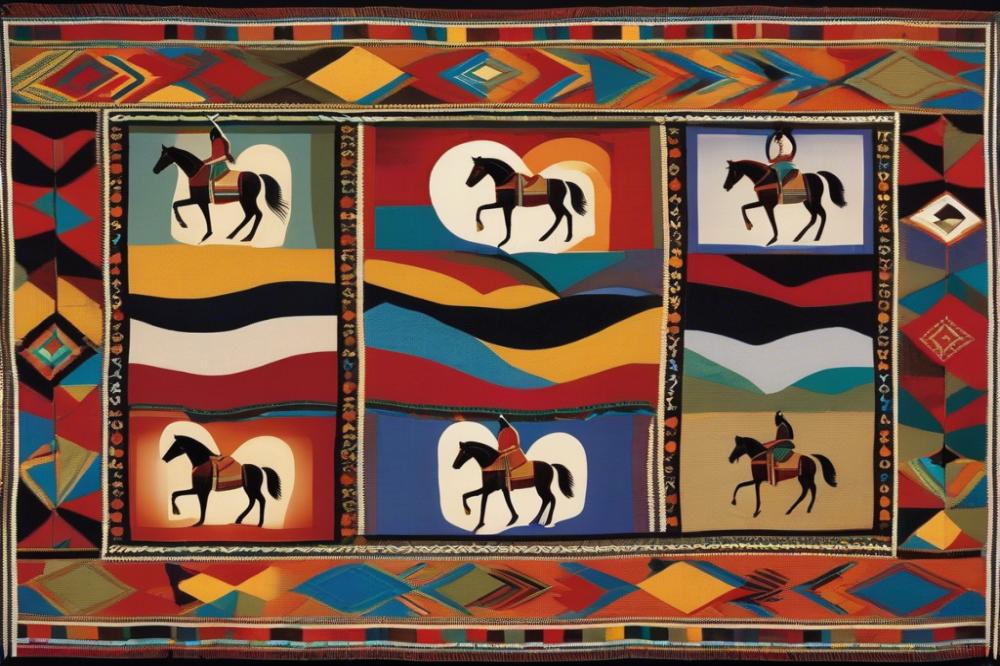
Horses hold immense cultural significance in various indigenous societies of South America. These animals are not just modes of transport; they represent strength, freedom, and connection to the land. Traditionally, tribes have viewed horses as sacred beings intertwined with their identity and history. Rituals often celebrate this bond, showcasing the horse as a crucial element of their spiritual life.
Equestrian traditions are deeply linked to the spirituality of many communities. In tribal beliefs, horses symbolize a bridge between the physical and the spiritual world. They are sometimes seen as protectors, guiding spirits on journeys to the afterlife. Such beliefs influence not only the animals’ treatment but also their portrayal in dances and stories passed down through generations.
Key Ritual Dances Featuring Horses
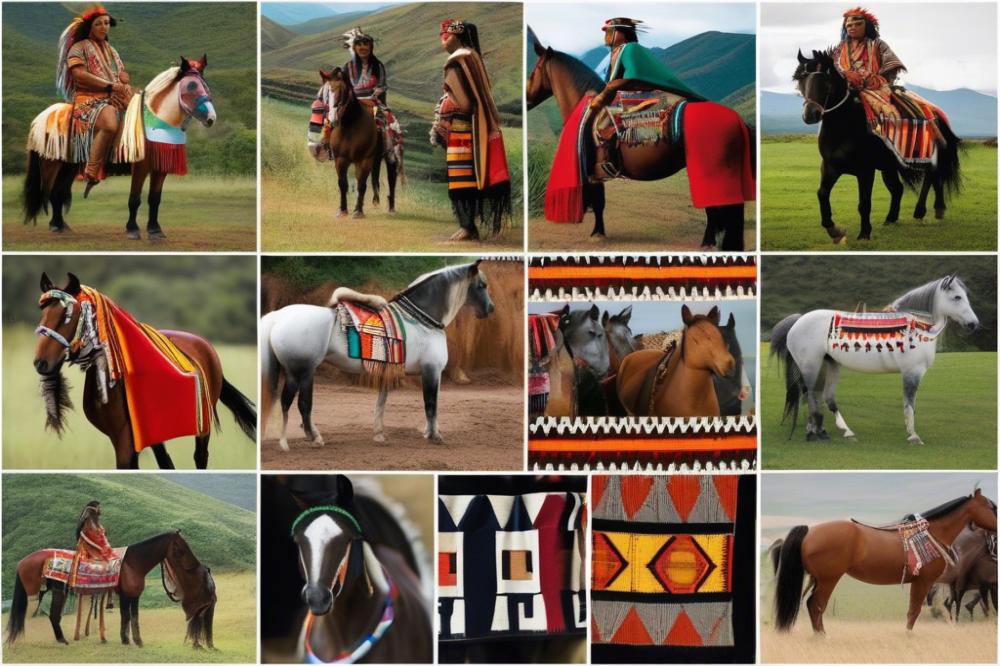
Various ritual dances incorporate horses as vital participants. In some ceremonies, dancers dress in elaborate costumes, representing their ancestors and honoring the spirits of the land. The rhythmic movements of the dancers mimic the grace of horses, creating a visual dialogue between human and animal. This harmonious interaction adds depth to the rituals, elevating them beyond mere performance.
One popular dance that includes horses is the “Fiesta de Caballo.” During this celebration, riders perform intricate maneuvers, demonstrating their skills and deep respect for their horses. Music accompanies the dance, enhancing the connection between the performers and the viewers. Each step taken during this ritual serves a purpose, often representing a story or a lesson important to the tribe.
Another notable ceremony is the “Ritual of the Horse Spirits,” where participants honor the ancestors through dance and song. It is believed that these rituals invite ancestral spirits to join in the festivities. Horses are adorned with colorful decorations, symbolizing beauty and strength. As the dancers move, they embody the spirits of their forebears, linking the past with the present.
These dances are not solely about entertainment. They are vibrant expressions of culture, blending history, spirituality, and community. Horses, as vital characters in these narratives, elevate these events into sacred gatherings, reflecting the tribe’s values and identity.
Symbolism of Horses in Indigenous Practices
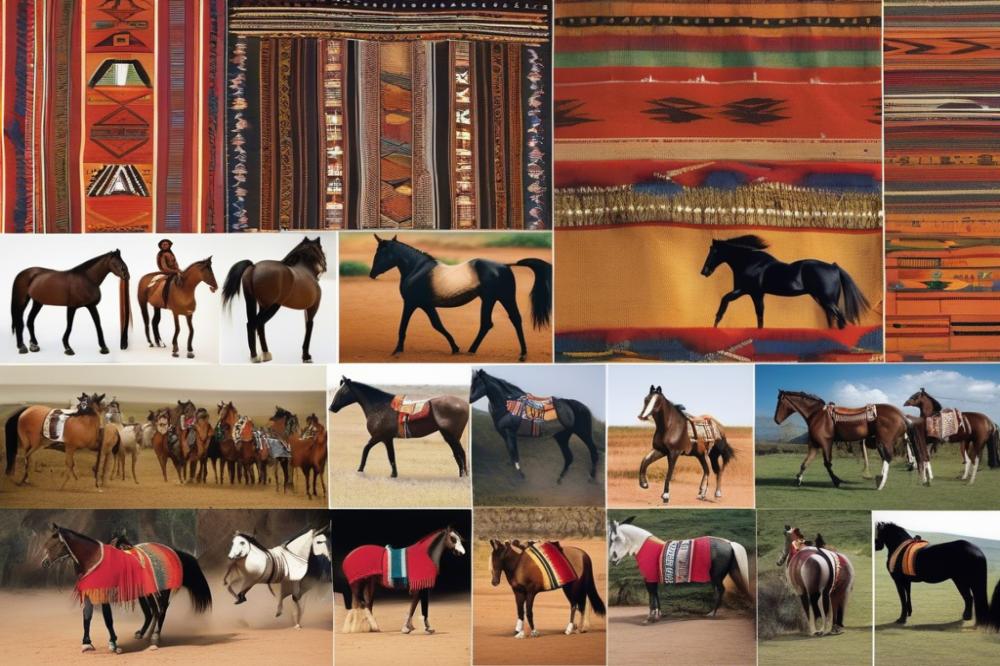
Horses hold a significant place in the traditions of various Indigenous South American Tribes. They symbolize power and freedom, reflecting the connection these communities have to nature and the divine. In many cultures, horses are viewed as guides and protectors, bridging the earthly realm with spiritual dimensions.
Equestrian themes are deeply woven into the fabric of community values and heritage. Horses are often seen as representations of strength, resilience, and loyalty. Many tribal rituals incorporate these majestic animals to honor their connection to the land and their ancestors.
Through dances and ceremonies, horses help convey stories passed down through generations. Their movements can symbolize the flow of life, showcasing the importance of harmony and balance. When participants engage in these performances, they celebrate not just the animals, but everything they represent.
The relationship between Indigenous peoples and horses is complex. Trusting these creatures allows individuals to experience feelings of freedom and adventure. In this light, horses become embodiments of the spirit of the community, reflecting both the struggles and triumphs of their people.
In summation, horses play a vital role in the spiritual and cultural practices of Indigenous tribes in South America. These animals encapsulate ideals of connection and power, making them central to the narratives told through ritual dances.
The Role of Horses in Ceremonial Contexts
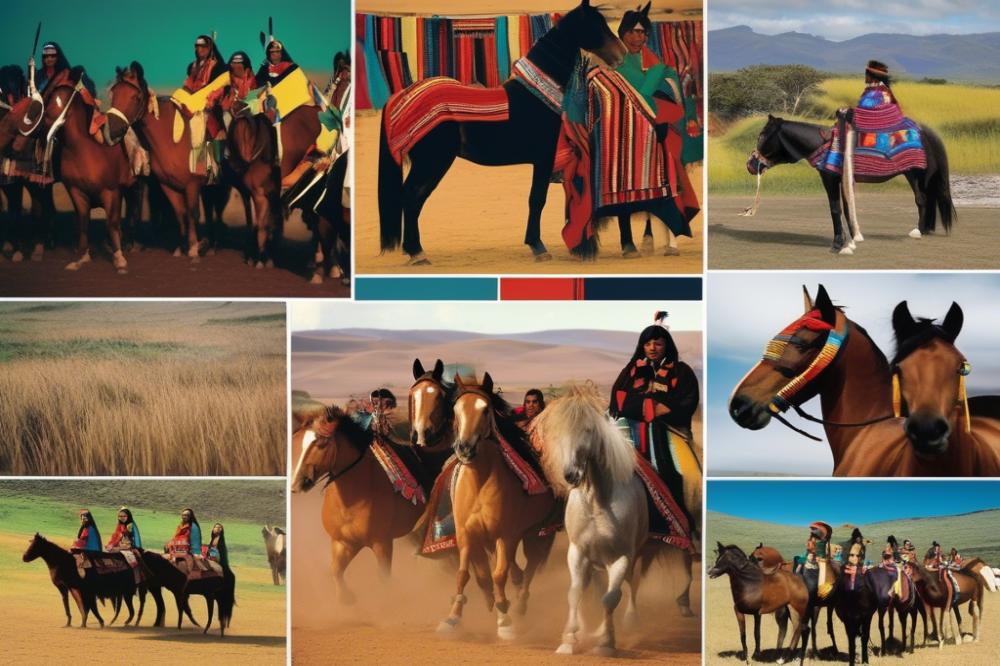
Many Indigenous tribes in South America integrate horses into their rituals. These animals are more than mere participants; they symbolize power, grace, and spiritual connection. Various ceremonies showcase horses, such as harvest celebrations, rites of passage, and religious observances. Each event reflects the tribe’s rich cultural tapestry.
Horses often take center stage during traditional dance rituals. Dancers adorn themselves, creating a vibrant atmosphere filled with color and meaning. The rhythmic movements echo the bond between humans and horses. This connection runs deep, aligning with spiritual beliefs that view horses as messengers or guides in the spiritual realm.
Community involvement plays a crucial role in these sacred ceremonies. Families gather to share stories and prepare for the event together. Everyone participates, with some painting intricate designs on horses while others practice dance steps. This collective experience strengthens bonds and encourages cooperation within the tribe.
Furthermore, the energy from the horses amplifies the emotions felt during dances. Participants often feel a sense of unity as they dance alongside these majestic creatures. The shared experience fosters respect for the animals, which are seen as integral to both the ritual and the community.
Throughout the ceremonies, the presence of horses enhances the atmosphere. Their rhythmic movements and powerful stature add an element of awe. People engage more deeply in the ritual when horses are involved. The blend of dance, song, and equine companionship creates an unforgettable experience.
Cultural Exchange and Influence
Impact of European Colonization on Indigenous Horse Practices
European colonizers dramatically changed the way indigenous tribes interacted with horses. Initially, the introduction of these animals led to new modes of transportation and hunting techniques. Some tribes embraced horses for their speed and strength. However, this also caused a shift in traditional ways of life. Indigenous groups began to adapt their rituals, incorporating horses into ceremonies that were once focused solely on ancestral spirits or nature. The colonization experience profoundly influenced the social and spiritual aspects of indigenous communities.
Adaptation of Equestrian Rituals in Contemporary Ceremonies
Today, horse-related rituals have evolved. Many indigenous tribes celebrate their history through vibrant dances that feature horses. Such performances often blend old traditions with new elements. Modern ceremonies may reflect cultural pride but also serve as platforms for storytelling. Each dance tells a tale of resilience and adaptation. Younger generations are increasingly involved in these practices, ensuring they remain vibrant and relevant. As they learn from elders, they also bring fresh ideas that contribute to the ongoing cultural exchange.
Preservation of Heritage Through Traditional Horse Dances
Maintaining cultural identity is vital for many indigenous groups. Traditional horse dances play a crucial role in this effort. These performances often happen during festivals or community gatherings, showcasing rituals passed down through generations. Artists integrate music, costumes, and choreography that honor their ancestors. Each dance signifies a deeper connection to their roots and echoes the stories of their past. The importance of these rituals cannot be overstated. They are more than just performances; they are lifelines to history and communal pride.
Challenges and Future of Indigenous Horse Rituals
Indigenous tribes face many modern challenges in maintaining their traditions. Urbanization, climate change, and cultural loss threaten the survival of these practices. Young people often move to cities for better opportunities, leaving behind the rituals of their heritage. This shift can result in dwindling participation in traditional ceremonies that include horses.
Education plays a crucial role in preserving equestrian practices. Schools can actively include indigenous cultures in their curricula. Teaching about the significance of horses in rituals helps foster respect for these traditions. Community events and workshops also raise awareness among younger generations. Engaging youth in the rituals can spark interest in their heritage.
The future outlook presents both challenges and opportunities for horses in traditional dances. Efforts to document and share these practices can inspire curiosity and admiration. Collaborations between tribes and organizations can amplify the voices of indigenous peoples. Cultural exchanges can introduce these vibrant traditions to wider audiences. Maintaining the connection between horses and rituals can help keep the spirit of these practices alive.
Final Thoughts on Horses in Ritual Dances
Significance of Horses
Horses hold a special place in the ritual dances of indigenous South American tribes. They serve as important symbols of strength and connection to the earth. In many communities, these majestic animals embody freedom and grace. When integrated into dances, they enhance the spiritual experience for both performers and viewers. This connection fosters a deep respect for nature and community. Their presence elevates rituals, making them more than just performances; they are profound expressions of cultural heritage.
Tradition and Spirituality
Tradition weaves through every aspect of these dances. Participants often believe the movements honor their ancestors and reaffirm their cultural identity. Furthermore, horses play a crucial role in this aspect of spirituality. They act as intermediaries between the people and the spirits, bridging gaps that might otherwise remain. As dancers move harmoniously with the horses, it creates a shared experience that resonates deeply within the participants. This interaction reinforces the bond between humans, animals, and the environment.
Preservation of Heritage
Support for indigenous practices is essential. Recognizing the value of these rituals is the first step. While modern influences may threaten these traditions, understanding their importance can help preserve them. Communities require assistance in sustaining their cultural practices and teachings. Advocating for their rights and providing resources can make a significant difference. Engagement with these tribes opens pathways to empathy and respect. Ultimately, ensuring the longevity of their vibrant heritage enriches everyone’s understanding of human history and culture. Every effort counts in preserving these unique expressions of life.

