
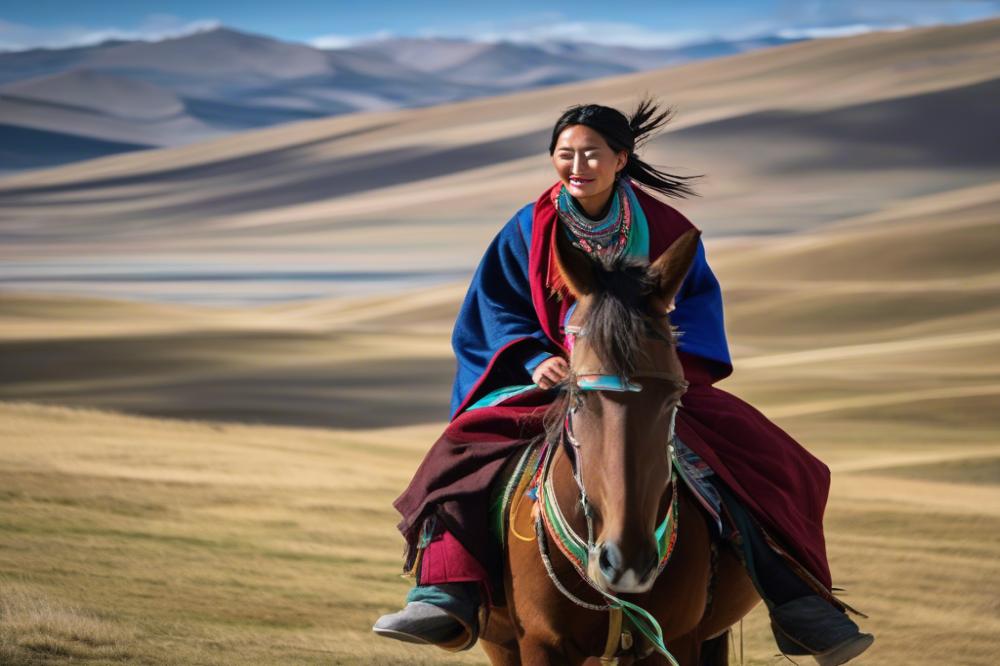
Exploring the Importance of horses in the Tibetan nomadic lifestyle
The horses-in-the-ritual-dances-of-indigenous-south-american-tribes”>Tibetan nomads inhabit one of the most challenging environments on the planet. Their way of life is shaped by the rugged landscapes of the Tibetan plateau. These communities move with the seasons, following their herds across vast distances. This lifestyle is not just about survival; it is a rich tapestry of traditions, beliefs, and practices.
Horses are more than mere animals in this context. They serve as reliable companions, helping nomads travel across rugged terrain. Wealth is often measured by the number of horses owned. For these people, horses symbolize strength, freedom, and connection to their ancestors. These animals play a crucial role in the daily life of nomadic families, aiding them in herding and transporting goods.
It is vital to delve deeper into the significance of horses within this unique culture. Observing their impact on nomadic traditions reveals how intertwined they are with identity and social structure. Exploring this connection offers insights into the values and practices of those who have thrived in harsh conditions. The relationship with horses echoes the broader themes of respect for nature and harmony with the environment, which are cornerstones of Tibetan life.
The Role of Horses in Tibetan nomads‘ Livelihood
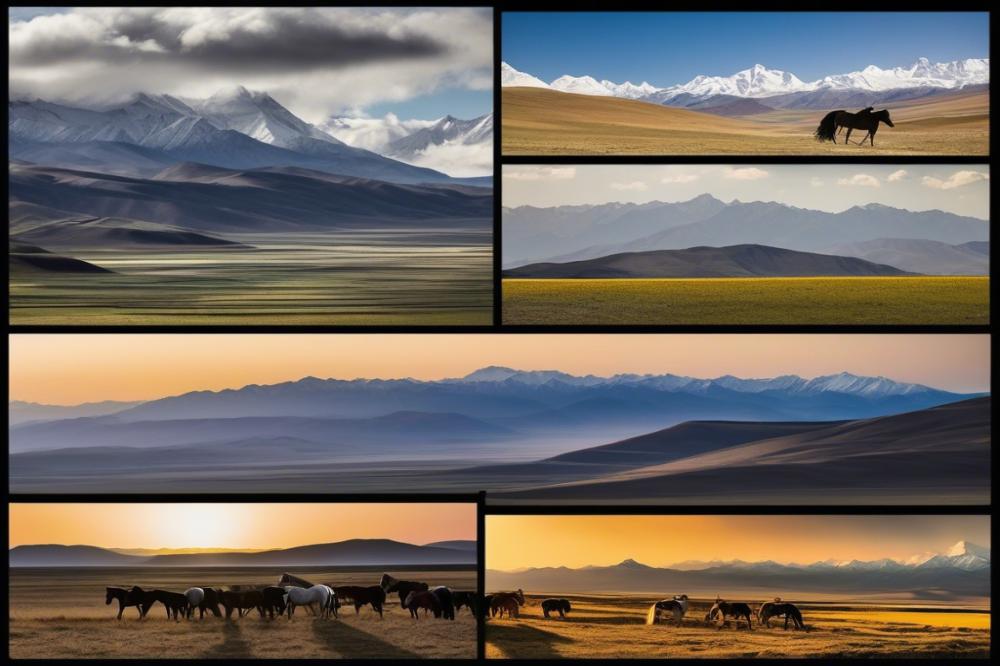
Horses play a crucial role in the lives of Tibetan nomads. They serve as essential assets in animal husbandry. Unlike yaks, which are primarily used for their milk and meat, horses fulfill different and important needs. These animals are not just for riding; they also help carry loads across the rugged terrain. The strength and endurance of horses allow nomads to transport goods and move their camps more efficiently.
When considering ownership of livestock, horses stand out. Yak herding is vital, especially for providing food. However, horses have their advantages too. They can travel longer distances quickly, serving as valuable companions during trade and travel. While yaks help sustain a household, horses enhance mobility and flexibility. In this vast, open land, the ability to move quickly can make a big difference, especially when weather conditions can change suddenly.
The economic effects of owning a horse cannot be overlooked. It often creates opportunities for trade. Increased mobility allows nomads to reach distant markets, easily exchanging goods. This access can lead to better prices and expand their trading networks. Socially, owning a horse brings a sense of pride. Horses are symbols of status and skill. A skilled horseman is highly respected. Communities often gather to discuss breeding techniques or the best riding practices, showcasing their love for these animals.
Horse ownership also contributes to strong family bonds. Children learn responsibility and discipline through care and handling. They groom and feed the horses, developing skills that will be useful throughout their lives. In gatherings, horses often become the center of attention, facilitating social connections among families and friends. Such interactions foster a sense of community that is vital in the harsh yet beautiful landscape of Tibet.
In sum, horses hold an essential place within the livelihoods of the nomadic people, enhancing both their economic stability and social fabric.
Transportation and Mobility on the Tibetan Plateau
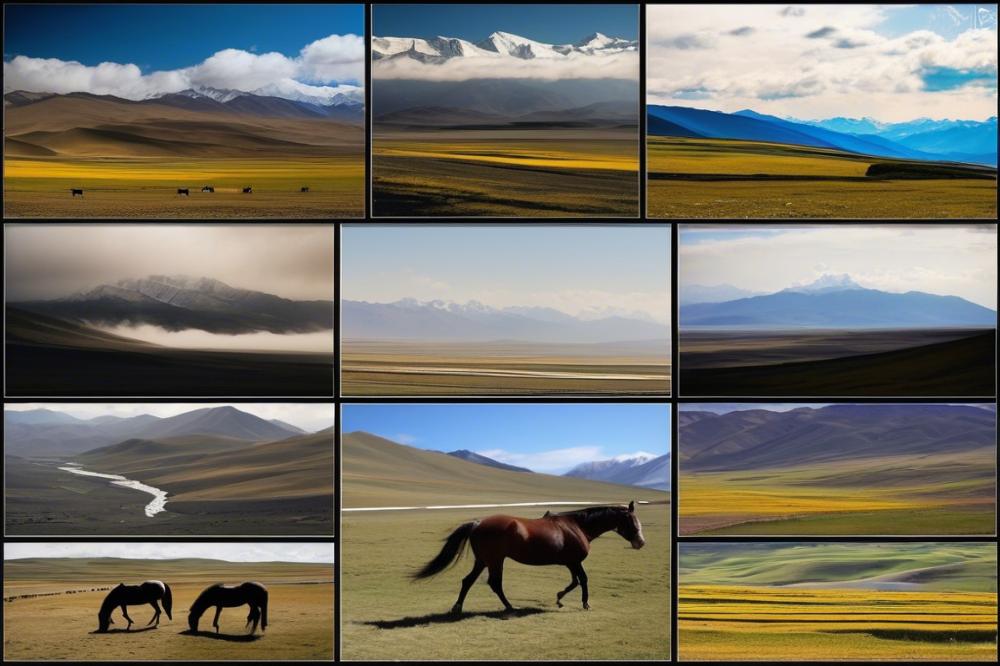
Horses play a vital role in how people move across the Tibetan Plateau. The terrain can be quite rough. Steep mountains and wide-open plains can make travel challenging. However, horses are well-suited for this environment. Their strong bodies and sure-footedness help them traverse difficult paths where vehicles cannot go.
Living a nomadic lifestyle involves constant movement. People must travel to find fresh pastures for their herds. They also roam to trade goods with nearby communities. With each journey, the bond between horse and rider deepens. Trust is essential because they face harsh weather and unpredictable landscapes together.
Access to resources is crucial for survival in the high-altitude environment. Horses carry supplies such as food, water, and tools. They also help transport items needed for trade. This mobility connects communities that may otherwise feel isolated. Having reliable transportation fosters relationships among families and groups, making life easier and more interconnected.
Horses are not merely animals; they are partners in everyday activities. Their presence allows for greater flexibility in travel plans. When a family needs to move, horses carry belongings and people alike. This support is invaluable, especially during the changing seasons. Access to new grazing lands depends on these journeys and the endurance of these animals.
cultural significance of horses in Tibetan Traditions
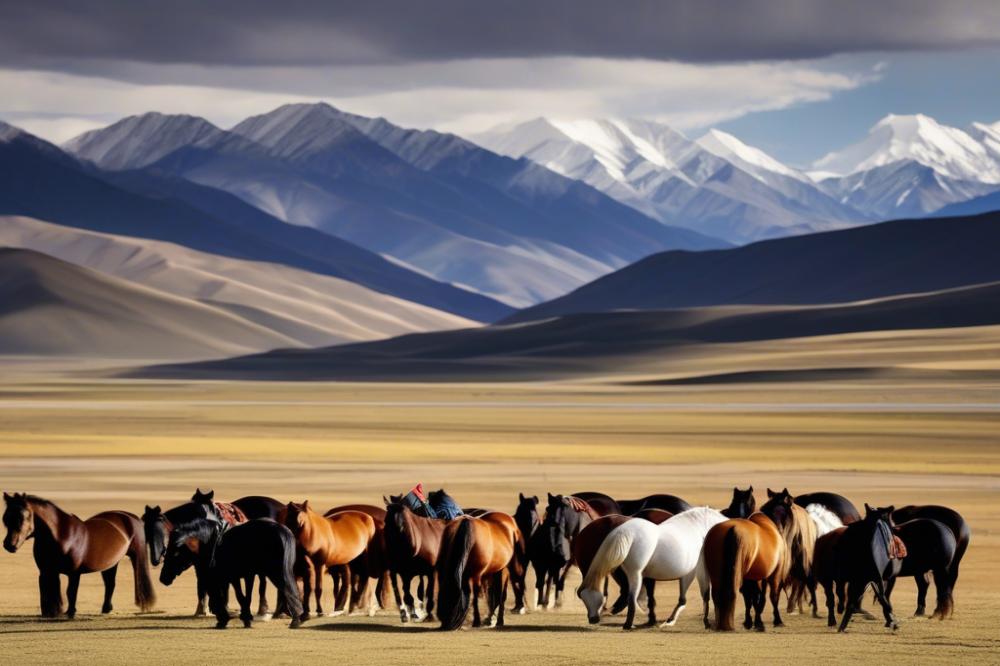
Horses hold a special place in Tibetan culture. They are more than just animals; they symbolize strength and freedom. Artwork throughout Tibet often showcases these noble creatures. It appears in paintings, sculptures, and textiles. Each piece reflects the deep bond between the people and their horses.
Festivals across the region highlight the importance of horses. Events like the horse racing festivals bring communities together. Different tribes showcase their best horses and riders. These gatherings celebrate not just the horses but also the skills of the nomadic people. Competitions feature thrilling races that capture the spirit of the culture.
Skills in horsemanship are vital in daily life. Traditional practices are passed down through generations. Young children learn to ride early, becoming skilled equestrians in their own right. These experiences connect them to their heritage. Each ride becomes a part of their identity, linking them to their ancestors and the vast landscapes they traverse.
Moreover, horses are integrated into various rituals. During religious ceremonies, they often play a role. For example, some rituals involve offerings and blessings for the horses. This act highlights their connection to both earthly and spiritual realms. Each interaction deepens the respect the people have for their equine companions.
The role of horses in culture extends beyond practicality. They inspire stories and legends passed down through time. Many folktales emphasize the bravery and loyalty of these animals. This storytelling tradition enriches the cultural fabric, making horses integral to Tibetan identity.
Sustainable Practices and the Future of Horses in Tibetan Nomadism
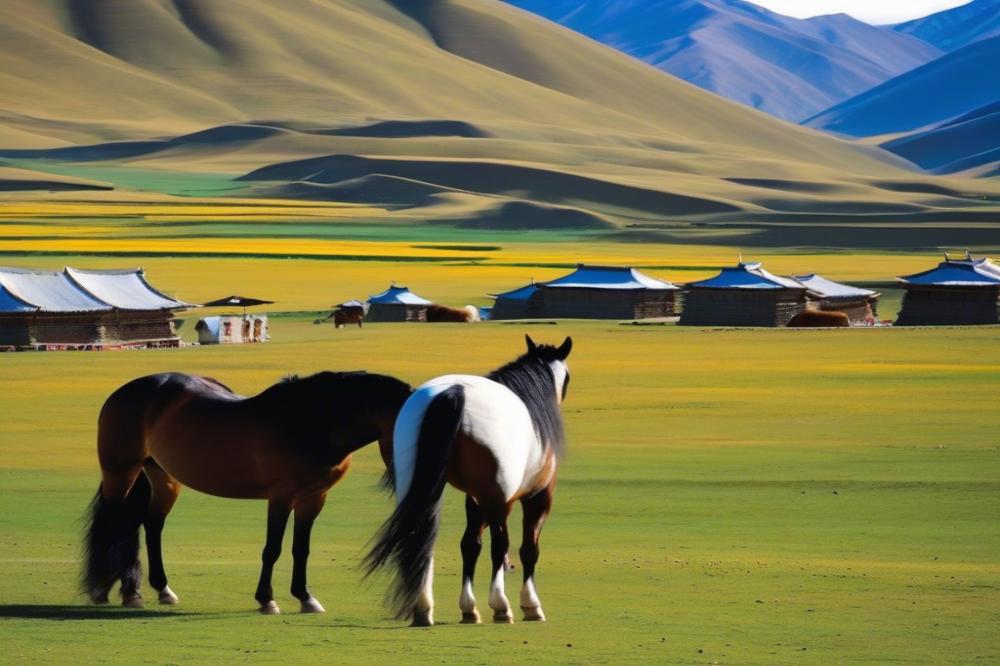
Adapting horse-based practices to modern contexts presents a challenge for many communities. Traditional methods of herding and transportation still hold great significance, yet the landscape is changing. Increased access to technology influences how nomads interact with their horses. Some have started using modern equipment, which alters the way they care for their animals. This shift, while beneficial in some ways, risks losing long-standing traditions.
Numerous challenges arise in caring for horses within the nomadic lifestyle. Climate change has affected grazing patterns and water sources. Pasture depletion adds another layer of difficulty. As land becomes scarce, finding adequate space for animals grows more demanding. In regions where they have lived sustainably for generations, adapting to these changes can feel daunting.
Preserving knowledge about horse care and equestrian culture is vital for the future. Elders often share stories and skills with the younger generation, but these exchanges may wane. Encouraging youth engagement with traditional practices can help maintain this wisdom. Schools and community programs may assist in connecting younger individuals with their heritage. Bridging the gap between modern life and historical practices is essential for cultural preservation.
Sharing horse-related skills helps to keep the community intertwined. Competitive events and festivals can bring people together, fostering a sense of unity. These gatherings celebrate the relationship between horses and people while reinforcing cultural bonds. As external pressures grow, it becomes increasingly important to find ways to honor and sustain this rich heritage.
Final Thoughts on the Role of Horses in Tibetan Life
In summary, horses play a crucial role in various aspects of life for the Tibetan nomads. They are not only vital for transportation across the vast landscape but also serve important functions in herding livestock. Beyond their practical use, horses hold deep cultural significance. Festivities and rituals often involve these noble animals, reflecting a bond that goes beyond mere utility.
This relationship illustrates how interconnected culture, livelihood, and the natural environment are in Tibetan culture. Each aspect influences the other. The land shapes the nomadic lifestyle, while the people and their animals adapt to one another. As such, the well-being of horses directly affects the livelihoods of those who rely on them. Their presence enriches the daily rhythms of life in the highlands.
Looking ahead, the future of horses in sustaining Tibetan traditions appears promising but challenging. Modern influences and climate change may threaten this way of life. However, many strive to maintain the age-old practices that honor their heritage. Efforts to preserve the environment and traditional herding practices can help keep this bond alive. With protection and respect, the legacy of horses in nomadic culture can thrive for generations to come.

