

Breeding for Specific Disciplines: What You Need to Know
Breeding for specific disciplines plays a crucial role in the equine world. Horses are often selected for their physical characteristics and temperaments that match the demands of various activities. Each discipline requires unique traits that can significantly influence performance. This makes understanding the intricacies of breeding essential for horse owners and trainers alike.
Different horse disciplines include jumping, dressage, barrel racing, and eventing, among others. Each of these activities has distinct requirements. In jumping, for instance, speed and agility are vital. A horse that excels in dressage, however, might need more grace and a calm demeanor to perform intricate movements. Knowing these nuances helps breeders make informed decisions.
Temperament is another important factor. Horses used in rodeo events generally possess a bold and energetic spirit. On the other hand, those bred for therapeutic riding programs often need a gentle, patient nature to connect with riders who may have disabilities. Understanding these diverse expectations is part of what makes discipline-specific breeding a fascinating endeavor.
Physical attributes also vary widely between disciplines. Endurance horses, such as those competing in long-distance races, typically have long legs and a strong cardiovascular system. Conversely, stock horses, utilized in cattle work, are muscular and compact for quick movements. The diversity in horse breeding illustrates how specific traits are finely tuned for optimal performance in their respective fields.
Overall, breeding horses for specific disciplines involves careful consideration of various factors. Breeders must consider the horse’s breed, conformation, and mental stability. This careful planning enhances the horse’s ability to meet the demands of its intended role. By embracing discipline-specific breeding, horse enthusiasts can help cultivate animals that not only perform well but also enjoy their work.
Understanding Breeds and Disciplines

Many horse breeds have been developed for specific purposes. thoroughbreds are well-known for their speed and stamina. They dominate the racing scene, often seen on tracks worldwide. quarter horses, on the other hand, excel in western disciplines. Their strength and agility make them ideal for rodeos and ranch work. Warmbloods are athletic and versatile. They are popular in dressage and show jumping events due to their conformation and movement.
Suitable Disciplines for Each Breed
thoroughbreds are primarily bred for racing. These horses can run long distances at impressive speeds. quarter horses shine in events that require quick starts and turns. They are perfect for barrel racing and other timed events. Warmbloods have a different focus. Their training often includes classical riding techniques, making them ideal for dressage. Moreover, their power and technique lead to success in show jumping competitions.
Role of Breed Standards
Breed standards play a significant part in determining a horse’s suitability. This set of guidelines details the desired characteristics of each breed. For example, Thoroughbreds should have a lean build and long legs to facilitate speed. Quarter Horses, however, need a muscular frame for power and versatility. Warmbloods are expected to have excellent movement and a balanced frame to meet discipline requirements. Adhering to these standards can help breeders make informed choices. Choosing the right horse for specific tasks is easier when you understand these distinctions.
Conformation and Performance Traits
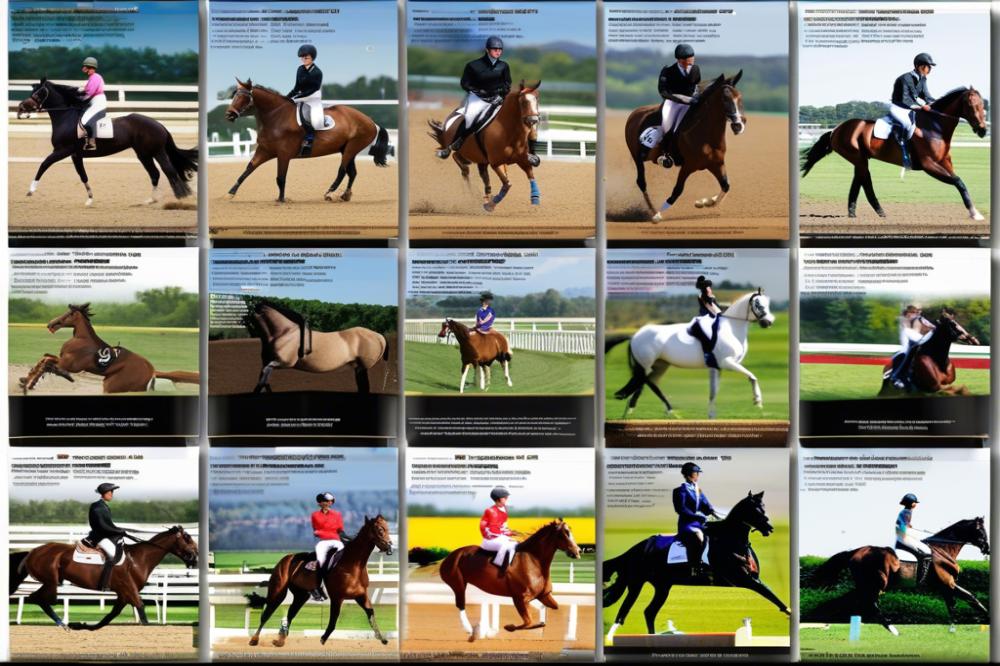
When breeding for a specific discipline, conformation plays a significant role. This term refers to the horse’s physical structure and shape. Proper conformation can enhance an equine athlete’s abilities. Horses with strong, balanced bodies tend to perform better in their respective events. For instance, a well-structured horse often has fewer injuries and can handle training demands more efficiently.
Key Performance Traits to Consider
Besides conformation, it is essential to evaluate several performance traits. Agility is crucial for disciplines such as show jumping and reining. Horses should change direction swiftly while maintaining balance. Speed is equally important in races and competitive events. A horse that can gallop quickly has a better chance of winning races. Stamina, on the other hand, allows a horse to maintain performance over longer distances. Endurance events require horses to sustain energy levels for extended periods. It is vital to understand the requirements of each discipline to select breeding stock wisely.
How Conformation Influences Performance in Specific Disciplines
A horse’s conformation can greatly influence its effectiveness in a discipline. For example, a long stride is beneficial in racing, providing the horse with greater reach. Shorter horses may excel in agility events where quick turns and sharp movements are necessary. A horse with strong back muscles and good hindquarters can generate more power, improving results in jumping or dressage. These physical traits contribute to a horse’s ability to perform various maneuvers required in different sports. Evaluating these aspects can help breeders match horses with the right disciplines.
Temperament and Training Considerations

Temperament plays a crucial role in a horse’s performance and training. An animal’s natural disposition affects how well it can learn and execute certain tasks. Calm and willing horses are often better suited for disciplines that require precision, like dressage. On the other hand, energetic and spirited personalities may excel in jumping or racing situations.
Selecting the right horse for a specific discipline involves understanding its mindset. For instance, some breeds are known for their gentle nature, making them ideal for novice riders. These animals tend to be more forgiving of mistakes during training. Conversely, breeds that display a high level of enthusiasm might be well-suited for more experienced riders who can channel that energy into performance.
Training regimens should match the breed’s characteristics and the demands of the discipline. Horses bred for endurance, for example, respond well to gradual increases in distance and intensity. They thrive on consistency. In contrast, breeds that focus on agility may benefit from varied training sessions that incorporate obstacles and quick turns.
Establishing a strong bond between horse and rider is essential. Trust can make training easier and more enjoyable. Riders should recognize how their horse’s temperament influences its learning style. Some may respond better to gentle coaxing, while others might need more assertiveness in their training. Tailoring the approach can lead to a more effective learning experience.
Overall, understanding how temperament affects training and performance can guide you in choosing the right horse. Matching horse traits with specific discipline requirements will pave the way for success. Care should be taken to assess both the horse’s behavioral tendencies and the training methods that will bring out its best.
Genetic Testing in equine breeding
Genetic testing plays a crucial role in making informed breeding decisions. Breeders can analyze an animal’s DNA to uncover its genetic makeup. This knowledge helps in predicting traits that can be passed to future generations. Without this information, it can be challenging to select the right matches for breeding.
Desirable traits are often linked to specific genes. By examining these genes, breeders can identify which horses are more likely to excel in certain disciplines. For instance, a horse that shows a genetic predisposition for speed may be a better candidate for racing. This targeted approach allows for a more strategic selection process.
Health outcomes are another important aspect impacted by genetic analysis. Some horses may carry genetic markers for conditions that could affect their performance or longevity. By recognizing these markers, breeders can make choices that prioritize the horse’s future health. This proactive approach can significantly reduce the risk of passing on hereditary issues.
In addition to performance traits, genetic testing can also reveal information about temperament. Understanding a horse’s disposition can aid in selecting suitable candidates for various activities. This insight helps in ensuring that horses not only perform well but also are manageable for their riders or handlers.
Breeding decisions that incorporate genetic testing ultimately lead to better outcomes. Horses that are bred with genetic data in mind often show improved performance and health. Knowledge derived from testing informs the breeding process and supports the goal of creating exceptional equine athletes.
Breeding Strategies for Sport Horses
Choosing the right stallion and mare is crucial when aiming for specific performance goals. This choice should not be taken lightly. Each horse has its strengths and weaknesses, and they can impact the offspring in profound ways. Traits such as jumping ability, speed, and temperament should be considered carefully.
Lineage plays an essential role in breeding. A horse’s pedigree can reveal a lot about its potential. Horses with successful ancestors often pass on desirable traits. It is wise to look at both parents’ performance records. Understanding the family history helps in predicting the performance of future generations.
The market for sport horses is competitive. Breeders focus on specific needs, whether it be dressage, show jumping, or eventing. Each discipline requires different physical attributes and mental characteristics. For example, show jumpers benefit from agility and power, while dressage horses need grace and responsiveness.
Evaluating the physical traits of potential breeding pairs is important. Height, conformation, and movement should not be overlooked. A horse’s movement can indicate how well it will perform in a given sport. Assessing these characteristics accurately can lead to better breeding decisions.
Mares often play a vital role in the development of their offspring. They nurture the foal during critical growth periods. A mare’s experience, health, and temperament can significantly influence the foal’s training and success. Selecting mares with proven records in the specific discipline can yield positive results.
Consider the importance of temperament when selecting breeding stock. Calm, trainable horses create a more promising environment for success. Some traits, like fearfulness or stubbornness, can hinder performance. Therefore, understanding the personality traits of the parents is as critical as physical attributes.
In sum, breeding sport horses requires thoughtful strategies and plans. There is more than just choosing a well-known stallion or an attractive mare. Knowledge of lineage, physical attributes, and temperament all weave together into a comprehensive plan. The ultimate goal is to breed horses that excel in their chosen discipline.
Challenges in Breeding for Specific Disciplines
Breeders often face various challenges when aiming to produce horses for specific activities. One major issue is the risk of genetic health problems. Each breed has its strengths but also carries potential inherited diseases. Identifying these issues while selecting for performance is crucial.
Another difficulty arises in balancing the desired traits of a breed with the actual needs for performance. Some horses excel in speed but may lack stamina. Others may demonstrate strong endurance yet fall short in agility. Finding that perfect mix requires careful consideration and sometimes, hard choices.
Maintaining diversity within bloodlines is essential. Breeding too closely can lead to a lack of genetic variation, which may create more health problems down the line. Breeders need to be mindful of this aspect, ensuring they do not compromise the breed’s future viability.
Creating optimal conditions for training and competition adds another layer of complexity. Each discipline mandates specific abilities. From show jumping to dressage, a horse’s training must align with its genetic potential. This alignment isn’t always straightforward.
Breeders must also stay informed about new research and trends in horse health. Knowledge about genetic testing can be invaluable. Using this information helps to prevent the pitfalls associated with breeding for specific traits while missing the broader health picture.
Effective communication with trainers is required for maximum success. A collaborative approach helps ensure that both breeders and trainers understand the goals for each horse. This partnership is vital for addressing any performance issues that may arise.
Overall, breeding for specific disciplines is a complicated endeavor. The balance between performance and health remains a top priority. Developing a clear strategy while remaining flexible is key for those dedicated to this challenging endeavor.
Final Thoughts on Breeding for Performance
Breeding for specific disciplines shapes the future of equine athletes. Understanding the characteristics that define success in areas like dressage, show jumping, or racing is essential. Traits such as temperament, agility, and stamina are the foundation of great performance. Many reputable breeds, including thoroughbreds and quarter horses, often represent the pinnacle of what targeted breeding can achieve.
One must consider all facets of equine breeding to create exceptional horses. Genetics play a large role, but training, nutrition, and care are equally important. Buyers and breeders alike should focus on the entire picture rather than just a single aspect. This holistic approach aids in producing horses that dominate in their chosen disciplines.
Future trends show an increased interest in combining traditional methods with modern science. Genetic testing and performance analysis are becoming standard tools for breeders. Such advancements will likely lead to major improvements in how we select and develop future champions. Encouraging innovation while respecting the heritage of horse breeding will benefit the entire industry.
As the equine world evolves, the commitment to responsible breeding practices must remain a priority. Ensuring the health and wellbeing of horses promotes longevity in their athletic careers. By putting the horse first, breeders can create a legacy of excellence that benefits riders, owners, and fans alike. It’s a path full of possibilities, and the journey is as rewarding as the destination. Embrace knowledge, celebrate diversity, and aim for success in every breeding endeavor.

