
Introduction
Australia is home to two distinct populations of horses: wild and domestic. These majestic animals have a rich history in the country, shaping both culture and landscape. For many Australians, horses symbolize freedom and strength. In urban settings, they are often part of family life, while in rural areas, they contribute to farming and livestock management.
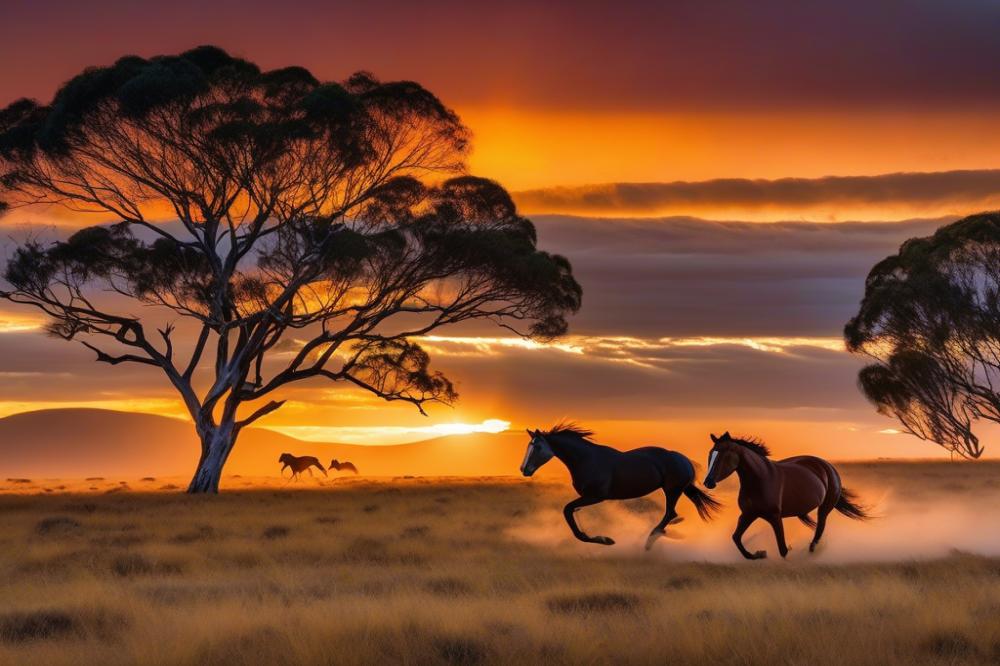
wild horses, known as brumbies, roam freely in the outback and have become a part of the national identity. Their presence evokes a sense of wilderness and adventure. Meanwhile, domestic horses are integral to various sports and leisure activities, from equestrian competitions to trail riding. Both populations serve significant roles in the lives of many people across the country.
Balancing conservation efforts with horse ownership raises important questions. Can we protect wild horse populations while acknowledging the needs of those who own horses? What impact do these animals have on the Australian environment? These are crucial themes that challenge both conservationists and horse owners today. As we navigate these complex issues, understanding the dynamics between wild and domestic horses is essential.
Australia horses: wild horses and Brumbies
Definition and characteristics of wild horses and brumbies
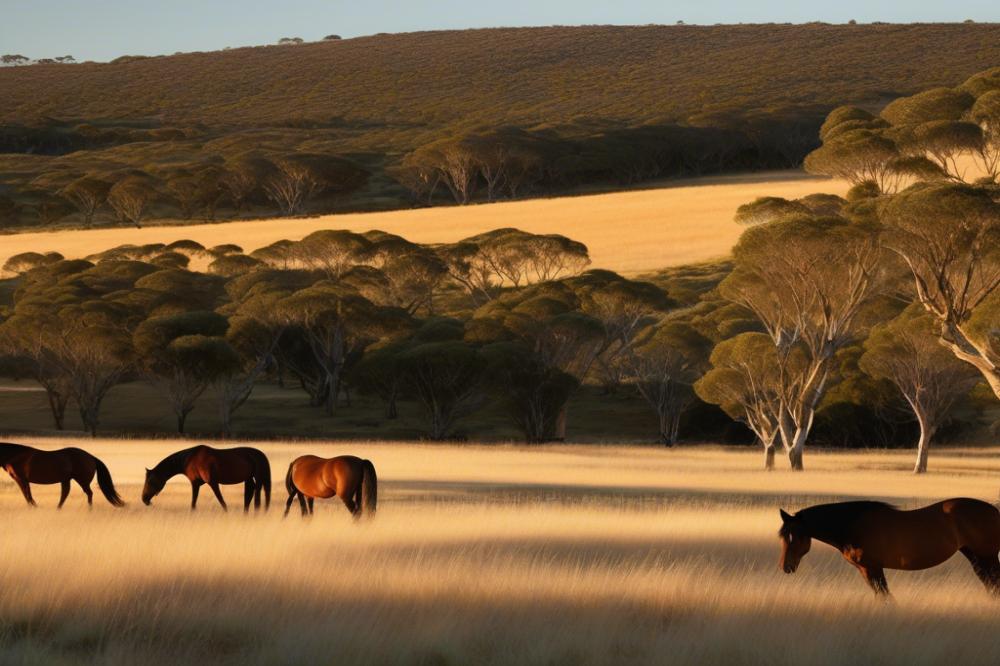
Wild horses in Australia are often referred to as brumbies. These animals differ from domestic horses in several ways. Brumbies tend to be smaller, with a wiry build and often have shaggy coats adapted to the varied climates. They are not bred or controlled by humans, leading to behaviors that differ from tamed horses. Brumbies have a strong instinct for survival, relying on their skills to find food and evade predators. Their social structures often mirror those of other horse species, where band dynamics and hierarchy play significant roles.
Historical context of wild horse populations in Australia
Horses were introduced to Australia in the early 19th century. Initially, they served various purposes for settlers and explorers. Some horses escaped or were released into the wild. This led to the establishment of feral populations, particularly in remote areas. Over time, these horses adapted to the harsh Australian environment. By the late 1800s, brumbies began to roam vast regions, influenced by the landscape and availability of resources. Their presence has since become a part of the Australian identity.
Current distribution and population trends of feral horses
Today, brumbies occupy various landscapes, from the Australian Alps to open grasslands. Estimates suggest that tens of thousands of these wild horses roam the continent. Population numbers can fluctuate due to environmental factors, limited resources, and human intervention. In some areas, their populations have grown to concerning levels, leading to ecological imbalances. Wildlife experts continually monitor their distribution and numbers to gather accurate data.
Role of wild horses in terrestrial ecosystems and biodiversity
Wild horses affect their environment in various ways. Grazing can influence vegetation patterns, which in turn impacts other species. For some ecosystems, brumbies help maintain grasslands and create areas for native plants to thrive. However, their presence might disrupt populations of local fauna. Competing with native animals for food can lead to declines in biodiversity. Understanding the dual nature of wild horses is essential when considering ecosystem balance.
Impacts of Wild Horses on Environment
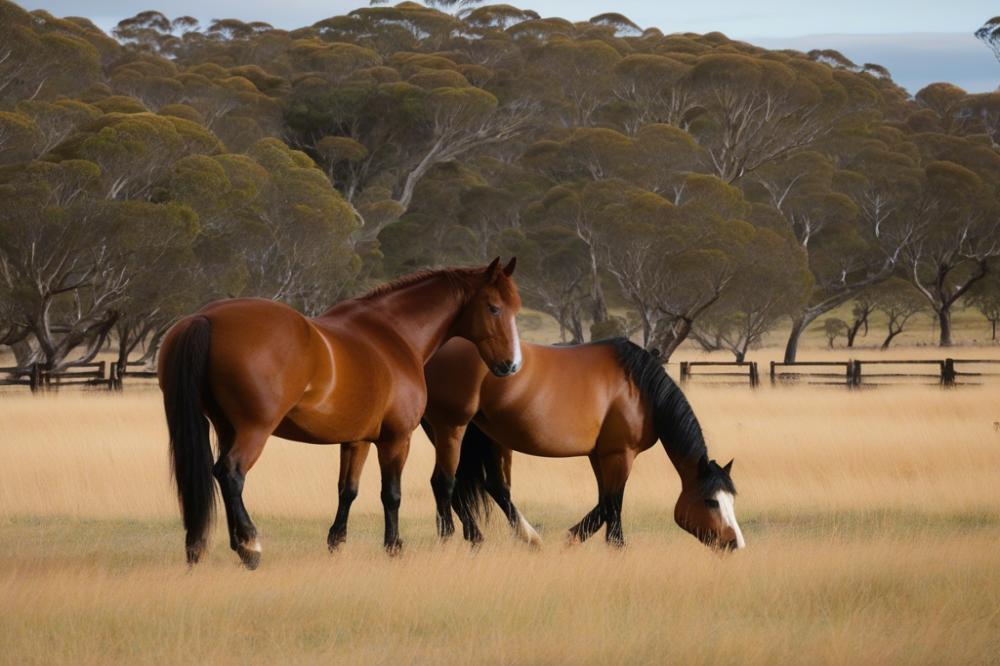
Feral horses, roaming freely across vast landscapes, present significant environmental challenges. Their presence disrupts the delicate balance of native ecosystems. These animals graze on a variety of vegetation, often leading to overgrazing. Consequently, the native plants struggle to survive. Endangered species find their habitats degraded or lost entirely.
Assessment of the impact on wildlife reveals worrying trends. Many native animals depend on specific grasses and shrubs for survival. As wild horses consume these resources, their populations decline. This change can lead to a ripple effect throughout the ecosystem, affecting numerous species. In some regions, the competition for food becomes fierce, pushing smaller animals into even more vulnerable situations.
Conflict with agricultural practices also arises frequently. Farmers often encounter challenges managing their crops and livestock due to these feral animals. They can trample fences, invade pastures, and compete for water sources. These actions lead to significant economic losses for ranchers. Livestock can become stressed, which might reduce milk production or weight gain in cattle.
Understanding the full impact requires careful observation of affected regions. Some areas experience intense degradation of land due to high horse populations. Over time, soil quality diminishes, creating a cycle of further decline. As this situation worsens, the competition between domestic animals and feral horses continues to escalate, complicating the balance between conservation efforts and agricultural needs.
Domestic Horses and Horse Ownership in Australia
Overview of Domestic Horse Breeds and Their Roles
Australia is home to several different breeds of domestic horses. Each breed serves a specific purpose. Some are used for work on farms, while others participate in sports or leisure riding. The well-known Australian Stock Horse is valued for its strength and agility. Thoroughbreds are often seen on racetracks, showcasing speed and stamina. Additionally, the brumby, a wild horse, has become part of the national identity, symbolizing resilience and freedom. Domestic horses play crucial roles in both rural and urban settings, supporting various recreational activities and assisting in agriculture.
Cultural Significance of Domestic Horses in Australian Society
Horses have a rich cultural presence in Australia. They are important in many traditional events and competitions, such as rodeos and campdrafting. These majestic animals also appear in art, literature, and celebrations, reflecting their deep-rooted connection to the land and its people. Just as indigenous cultures revere animals, horse ownership has become a part of Australian identity. Community events, often centered around horses, strengthen relationships among locals. This bond illustrates the connection many families have with these animals over generations.
Horse Ownership: Responsibilities, Welfare Concerns, and Ethical Considerations
Owning a horse brings several responsibilities. Care entails meeting their needs for food, shelter, and health. Regular veterinary check-ups are essential. Owners must also be aware of the mental stimulation horses require. Boredom can lead to poor behavior or health issues. Welfare concerns are significant; neglect can result in serious consequences for both the animal and the owner. Ethical considerations also arise. Many owners consider how their horses are treated and how they can provide a happy life. Conversations around this topic are vital for the horse community.
Costs and Benefits of Maintaining Domestic Horse Populations
The financial aspects of horse ownership can be quite demanding. Food, veterinary care, and stable upkeep contribute to monthly expenses. Transporting horses for competitions or training adds more costs. However, benefits exist as well. Many owners find joy and a sense of purpose in caring for these animals. Riding provides physical exercise and emotional well-being. Beyond personal benefits, horses can enhance property value and foster community connections through various activities. Balancing costs with the enjoyment of horse ownership is an ongoing challenge for many in Australia.
Balancing Conservation and Horse Ownership
Strategies for Effective Management of Wild and Domestic Horses
Managing horse populations requires careful planning. Roundups can help control excessive numbers in the wild. This method allows for relocation or adoption options. Land management practices also play a role. Creating sustainable pasture areas minimizes the impact on the ecosystem. Collaboration between landowners and conservationists is vital. Developing training programs for horse owners improves care standards. With proper education, ownership can become more responsible.
Integrating Conservation Efforts with Responsible Ownership
Conservation goals must align with the needs of horse owners. Owners should understand their responsibility to maintain healthy animals. Establishing best practices helps support both aims. Programs that educate owners on ecological impacts can make a difference. Encouraging practices, such as humane treatment and care, fosters harmony. Organizing community events enhances knowledge sharing. Everyone benefits when both horse welfare and environmental health are prioritized.
Policy Frameworks and Regulations in Place for Horse Populations
Policies guide the management of horse populations in Australia. Regulatory frameworks outline the roles of different stakeholders. Local governments often lead these initiatives. Legislation focuses on protecting the environment while considering horse ownership. Penalties may apply for neglectful ownership or illegal wild horse hunting. These rules help maintain a balance between nature and private interests. Regular reviews of existing laws are necessary to adapt to changing needs.
Community Involvement and Public Awareness Initiatives
Community involvement is crucial for effective management. Local groups can organize educational programs about horse care. Awareness campaigns highlight the importance of responsible ownership. Social media can amplify these messages, reaching a broader audience. Collaborating with schools encourages young people to appreciate conservation. Engaging local communities fosters a sense of ownership over their environment. Everyone has a part to play in protecting both wild and domestic horse populations.
Future Perspectives on Horse Populations in Australia
The landscape of horse management and conservation is changing. As populations grow, so do the challenges associated with them. Understanding the dynamics between wild and domestic horses is vital. Changes in land use and climate impact habitats significantly. Management strategies need to evolve accordingly.
The evolving landscape of horse management and conservation
Many local communities now advocate for comprehensive plans that address both the welfare of horses and the well-being of ecosystems. Engaging these communities can lead to better outcomes. In addition, educating the public about the importance of balanced horse populations is crucial. Awareness can drive meaningful action and promote better stewardship of the land.
Innovative practices in livestock management to support biodiversity
Farmers are exploring new methods to improve their livestock management strategies. Techniques like rotational grazing can help to reduce overgrazing. These innovative practices not only benefit the animals but also the plants and wildlife in those areas. Healthy ecosystems can thrive when horse and cattle management practices work in harmony with nature.
Global trends in horse conservation and their implications for Australia
Looking worldwide provides insights into successful horse conservation programs. Many countries have adopted policies that promote responsible ownership and ensure the welfare of equines. These approaches can also inform local regulations and guidelines here. Observing how other nations manage their horse populations can spark new ideas for sustainable practices.
Potential collaborations and partnerships for sustainable outcomes
Cooperation among conservation groups, local communities, and government agencies can lead to significant progress. By forming partnerships, stakeholders can share resources and expertise. Together, they can develop targeted actions that respect both wild and domestic horses. Collaborative efforts create a stronger voice for advocating effective horse management strategies.
Final Thoughts
Recap of Key Points
This article explored the complex relationship between wild and domestic horses in Australia. We discussed the impact of feral horse populations on native ecosystems. Livestock grazing and their competition with local species can create significant ecological challenges. On the other hand, domestic horses hold cultural significance and serve many human purposes. Balancing the needs of these two groups is not straightforward.
The Need for Balance
Finding harmony between conservation efforts and horse ownership is critical. Stakeholders must understand both the ecological and cultural values tied to these animals. Feral horses should neither be vilified nor romanticized. Instead, a nuanced approach is necessary to honor their role in the environment and society. This requires thoughtful policies and regulations that respect the land and the horses.
A Call for Ongoing Conversation
Looking ahead, dialogue must continue among government, conservationists, and horse owners. Collaboration is key to shaping effective management strategies. We must prioritize the well-being of both wild and domestic horses while maintaining ecological health. As communities work together, they can foster solutions that are fair and sustainable. Protecting Australia’s horse populations depends on collective action and informed discussions. The future of these remarkable animals rests in our hands.

